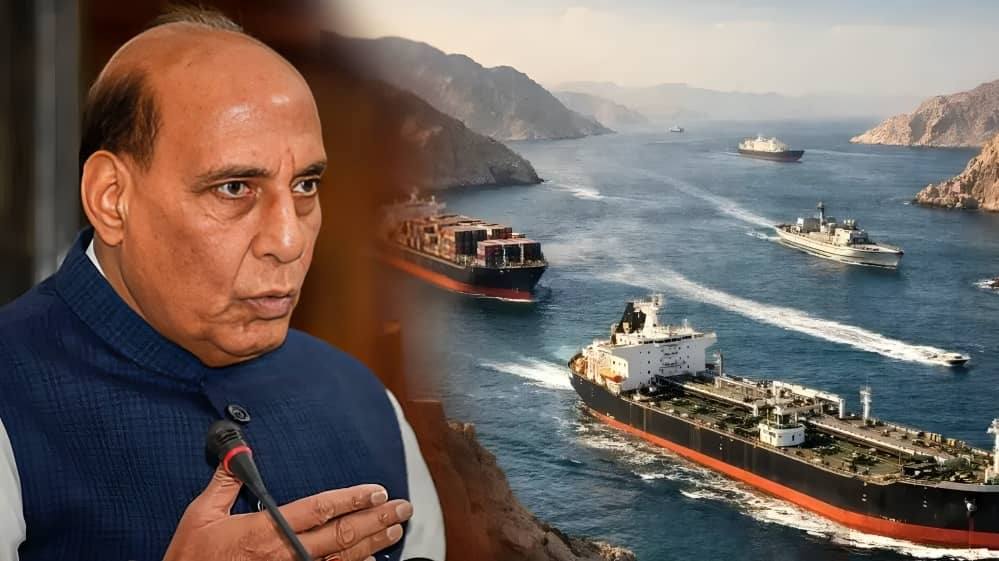
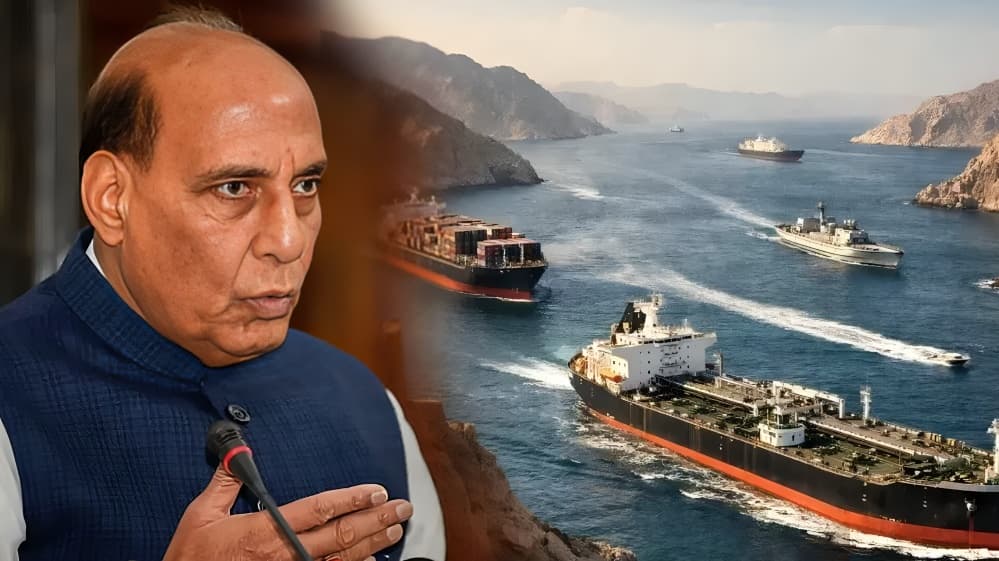
Rajnath Singh has highlighted the role of India’s balanced diplomacy in ensuring the safe passage of Indian ships through the strategically important Strait of Hormuz during a period of heightened tensions in the Middle East. His remarks underline the importance of diplomatic engagement in safeguarding national interests and maintaining stability in global trade routes.
The Strait of Hormuz is one of the world’s most critical maritime corridors, serving as a key route for the transportation of oil and other goods. Any disruption in this region can have significant implications for global energy supplies and economic stability. In recent weeks, tensions in the Middle East have raised concerns about the safety of shipping operations in this area.
According to Rajnath Singh, India’s approach to diplomacy played a crucial role in navigating these challenges. By maintaining balanced relations and engaging with all relevant stakeholders, the country was able to facilitate the movement of a large number of Indian vessels through the strait. This ensured that trade activities continued without major disruptions.
The Defence Minister emphasised that such efforts require coordination between various government agencies, including the armed forces and diplomatic missions. He noted that the Indian Navy and other authorities worked closely to monitor the situation and provide necessary support to ships passing through the region. These measures helped ensure the safety of crew members and cargo.
India’s reliance on maritime routes for energy imports makes the security of such corridors a priority. The ability to maintain uninterrupted access to these routes is essential for the country’s economic stability. By successfully managing the situation in the Strait of Hormuz, India demonstrated its capability to respond effectively to international challenges.
Experts have pointed out that diplomacy plays a key role in addressing complex geopolitical issues. In situations where tensions are high, maintaining open lines of communication and adopting a balanced approach can help prevent escalation and ensure cooperation. India’s actions in this context are seen as an example of such a strategy.
The Defence Minister also highlighted the importance of preparedness and vigilance. While diplomatic efforts are crucial, they must be supported by strong operational capabilities. The presence of naval forces and the ability to respond quickly to emerging situations are essential components of maritime security.
The developments in the Strait of Hormuz have drawn attention from countries around the world, given the region’s significance for global trade. Many nations have been closely monitoring the situation and taking steps to protect their shipping interests. India’s experience underscores the need for a comprehensive approach that combines diplomacy, security, and coordination.
Rajnath Singh’s remarks reflect the government’s focus on protecting national interests while contributing to regional stability. By ensuring the safe passage of ships, India has demonstrated its commitment to maintaining the flow of trade and supporting the global economy.
As geopolitical dynamics continue to evolve, the importance of such strategies is likely to grow. The ability to balance diplomatic engagement with security measures will remain a key factor in addressing future challenges.
Overall, India’s handling of the situation in the Strait of Hormuz highlights the effectiveness of a coordinated and balanced approach. It serves as an example of how countries can navigate complex international environments while safeguarding their economic and strategic interests.