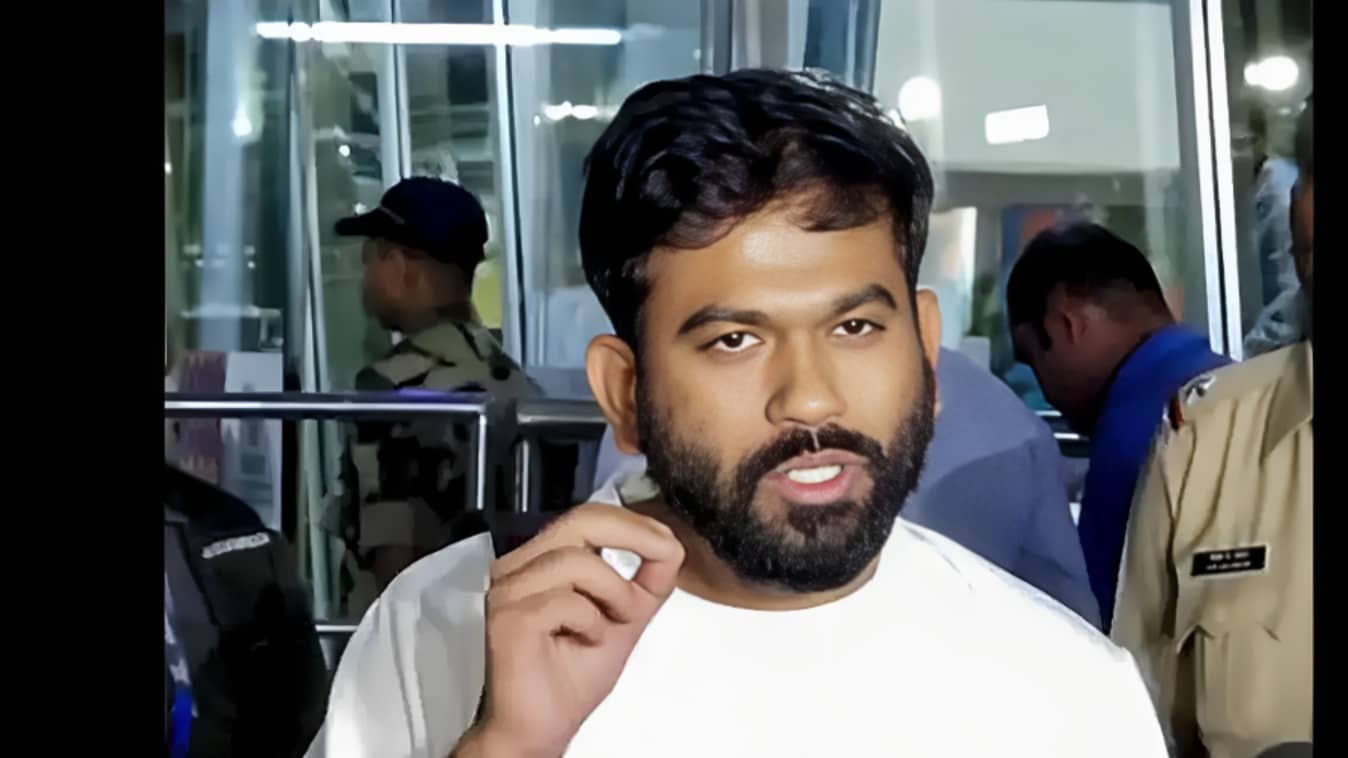
Abhijeet Dipke, founder of the Cockroach Janta Party, has drawn attention to the changing political mood following the latest United States midterm election results, suggesting that voters are increasingly placing democratic values, accountability and everyday economic concerns above personality-driven politics.
Dipke shared his observations through a series of posts on social media. His comments included a sarcastic reference to India's Chief Election Commissioner Gyanesh Kumar, as well as a broader argument about the declining appeal of strongman leadership across the world.
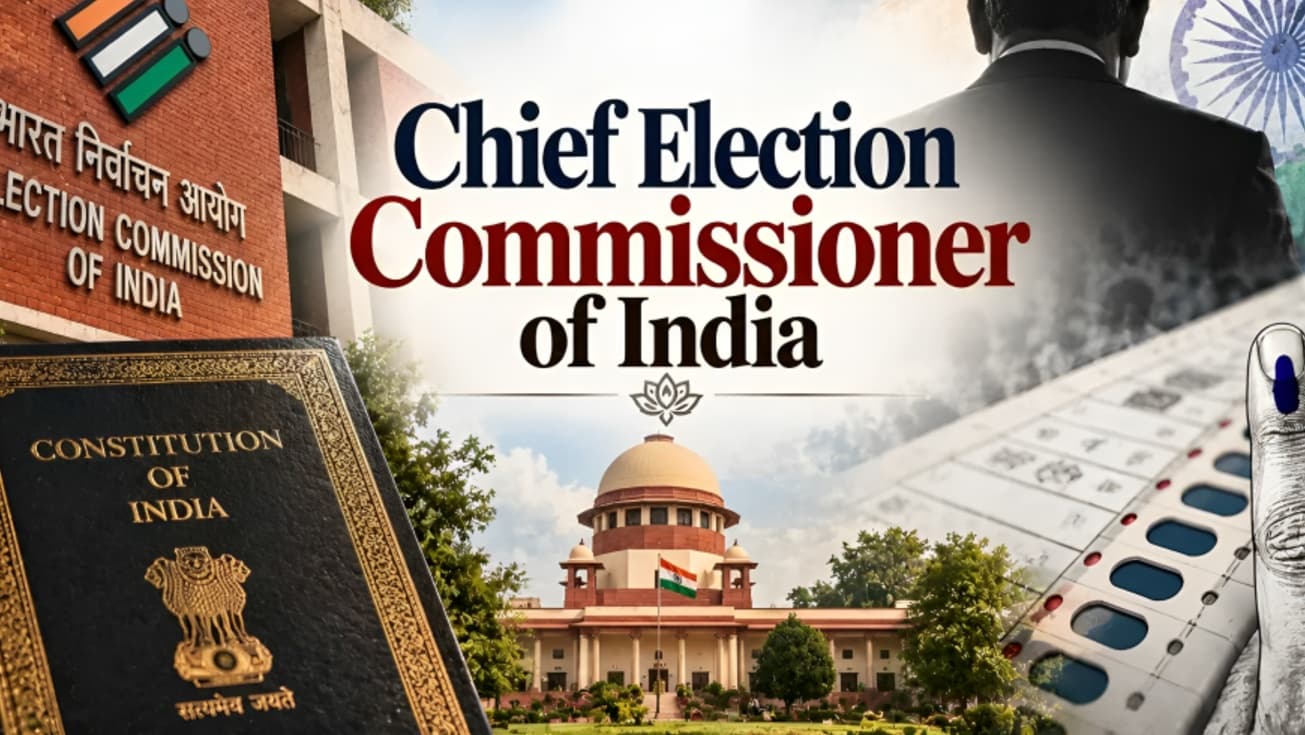
In one of his posts, Dipke made a pointed remark about the US election outcome, suggesting that Chief Election Commissioner Gyanesh Kumar would not have allowed a similar result to emerge in favour of US President Donald Trump. The comment was widely understood as a veiled criticism of India's election administration and an apparent reference to allegations raised by opposition parties over the conduct of electoral processes in the country.
The Election Commission of India has faced criticism from opposition parties over the Special Intensive Revision of electoral rolls. Opposition leaders have alleged that the exercise could lead to the removal of eligible voters from electoral lists. The Election Commission, however, has defended the revision process, maintaining that it is intended to identify duplicate and ineligible entries and improve the accuracy of electoral rolls.
Dipke's comment brought the debate over electoral fairness into the discussion surrounding the US election results. However, his post was a political remark and should not be treated as evidence of any direct comparison between the election systems of the two countries.
In another post, Dipke highlighted what he described as a shift in voter priorities. He suggested that people were increasingly voting against hate-driven politics and placing greater importance on accountability, employment opportunities and affordable living conditions.
The remarks reflect a wider political debate about the issues that influence voters. Economic pressures, job availability, the cost of living and the performance of elected representatives remain important concerns in democracies around the world. Political campaigns that focus on these everyday issues can influence public opinion, particularly when voters feel that their concerns have not received sufficient attention.
Dipke also made a broader observation about the rise and possible decline of strongman politics. He noted that this political style had gained renewed momentum across several parts of the world after 2010. Strongman politics generally refers to a leadership approach in which a powerful individual is presented as the central force capable of solving national problems, often through decisive action and a highly personalised political image.
Such leaders frequently build public support around promises of stability, national strength and rapid decision-making. Their supporters may view centralised leadership as an effective way to overcome political deadlock. Critics, however, argue that excessive concentration of power can weaken democratic institutions, reduce accountability and limit the space for dissent.
In his latest comments, Dipke suggested that voters were beginning to reconsider this model of leadership. According to his argument, concentrating power in one individual who projects an image of strength does not automatically make a country stronger. He pointed instead to the importance of democratic freedoms, institutional independence and accountability.
The discussion is particularly relevant in countries where political debates increasingly revolve around the image and personality of individual leaders. While strong leadership can be an important part of governance, democratic systems also depend on institutions that can function independently and hold those in power accountable.
Dipke's remarks also connect with the broader political messaging of the Cockroach Janta Party, which emerged as a satirical digital platform before gaining attention through youth-led political mobilisation in India. The organisation has used online satire, memes and social media campaigns to highlight issues such as unemployment, examination irregularities, education and the concerns of young people.
The movement gained wider public attention in 2026 after protests led by students and young supporters brought questions about examination systems and government accountability into the national political debate. Its founder has repeatedly argued that young citizens should have a greater role in shaping public policy and that political parties must respond to issues affecting students and job seekers.
The latest posts indicate that Dipke is extending this message beyond domestic concerns to a broader discussion about democratic accountability and political leadership. His comments following the US midterm election results suggest that he sees the outcome as part of a wider reassessment of personality-driven politics.
However, election results in one country cannot by themselves establish a global decline in strongman politics. Political outcomes are shaped by several factors, including local economic conditions, public policy, candidate performance and voter expectations. Dipke's comments represent his interpretation of the political trend rather than a settled conclusion about global politics.
The debate nevertheless highlights an important question facing democracies: whether voters are becoming more interested in practical governance, institutional accountability and public welfare than in the image of powerful individual leaders.
As political developments continue to unfold in different countries, the balance between strong leadership and democratic accountability is likely to remain a significant subject of public discussion.