Supreme Court Issues Notice to Centre and Election Commission Over Immunity Granted to Election Commissioners
The Supreme Court of India has issued notices to the Central Government and the Election Commission of India (ECI) on a petition challenging the legal immunity granted to the Chief Election Commissioner (CEC) and Election Commissioners (ECs) under a 2023 law. The development has brought the legal protection available to the country's top election officials under judicial examination.
The petition challenges Section 16 of the Chief Election Commissioner and Other Election Commissioners (Appointment, Conditions of Service and Term of Office) Act, 2023. The provision protects serving and former Chief Election Commissioners and Election Commissioners from civil and criminal proceedings for acts, actions or statements made in the discharge or purported discharge of their official duties.
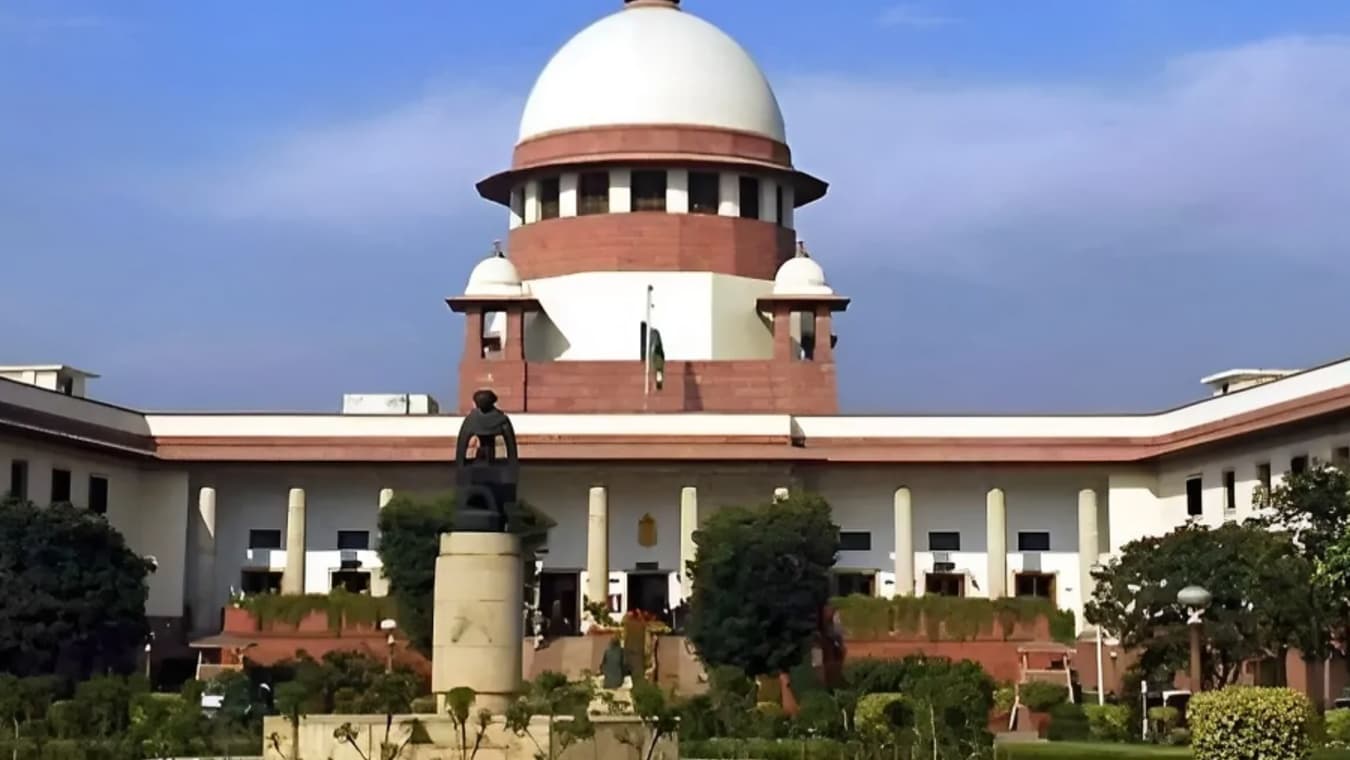
A Supreme Court bench headed by Chief Justice of India Surya Kant, along with Justices Joymalya Bagchi and V Mohana, issued notices seeking responses from the Centre and the Election Commission. The court also directed that the petition be heard alongside another pending challenge concerning the same provision.
What Is Section 16 of the 2023 Act?
Section 16 of the 2023 Act provides legal protection to the Chief Election Commissioner and Election Commissioners against civil and criminal court proceedings for acts performed in the discharge of their official responsibilities.
The provision states that courts cannot entertain or continue civil or criminal proceedings against a person who is or was a CEC or Election Commissioner for any act, thing or statement made while performing or purportedly performing official duties.
The provision applies to both serving and former election commissioners.
The law was introduced as part of the legislation dealing with the appointment, service conditions and tenure of the Chief Election Commissioner and other Election Commissioners.
The challenge before the Supreme Court questions whether such protection is consistent with the constitutional framework and the principles of accountability applicable to public authorities.
Why Has the Provision Been Challenged?
The petition filed by the Association for Democratic Reforms (ADR), an organisation working on electoral and political reforms, seeks to declare Section 16 unconstitutional.
The petitioner argues that the provision provides extensive legal protection to election commissioners and raises concerns about accountability for actions taken while performing official duties.
According to the petition, the immunity is not sufficiently limited by conditions such as good faith or a separate approval mechanism for initiating proceedings.
The organisation has also questioned whether election commissioners should receive this level of legal protection when other constitutional authorities do not enjoy an identical statutory provision.
The petition further raises questions about the circumstances in which Section 16 was introduced during the parliamentary process in 2023.
These are arguments presented by the petitioner and have not been established as findings by the Supreme Court.
Supreme Court Agrees to Examine the Issue
The Supreme Court has agreed to examine the constitutional validity of the immunity provision and has sought explanations from the Centre and the Election Commission.
The latest petition has also been tagged with an earlier case filed by the NGO Lok Prahari, which raised a similar challenge against Section 16.
In January 2026, the Supreme Court had issued notices to the Centre and the Election Commission on the Lok Prahari petition. However, the court had declined to stay the operation of the provision at that stage.
The latest development means that the court will consider the related challenges together rather than treating them as entirely separate issues.
What Does the Case Mean for Election Commissioners?
The Chief Election Commissioner and Election Commissioners play an important role in India's democratic system. The Election Commission is responsible for conducting elections to Parliament, state legislatures and the offices of the President and Vice President, in accordance with constitutional and statutory provisions.
The independence of the Election Commission is an important consideration in discussions about the legal protection available to its officials.
The petition raises questions about how to balance institutional independence with legal accountability.
Those challenging the provision argue that extensive immunity could limit the ability to initiate legal proceedings in certain circumstances. The legal protection, on the other hand, is part of a law governing the service conditions and functions of election commissioners.
The Supreme Court's examination will focus on the constitutional questions raised by the petitions.
Will the Immunity Provision Be Removed?
The Supreme Court issuing notices does not mean that Section 16 has been declared unconstitutional or that the immunity provision has been cancelled.
A notice is a procedural step through which the court seeks responses from the parties involved before considering the legal issues.
The provision remains in force unless the Supreme Court passes an order staying or striking it down.
The final decision will depend on the arguments presented by the petitioners, the responses submitted by the Centre and the Election Commission, and the court's interpretation of the constitutional provisions.
What Happens Next?
The Centre and the Election Commission will have an opportunity to submit their responses to the Supreme Court.
The court will subsequently examine the arguments concerning the validity and scope of Section 16 of the 2023 Act.
The outcome could have implications for the legal framework governing the protection and accountability of India's Chief Election Commissioner and Election Commissioners.
For now, the Supreme Court's decision to seek responses from the concerned authorities marks another step in the ongoing legal examination of the immunity provision.
The case is significant because it raises important constitutional questions about the independence of election authorities, judicial oversight and accountability in India's democratic system.