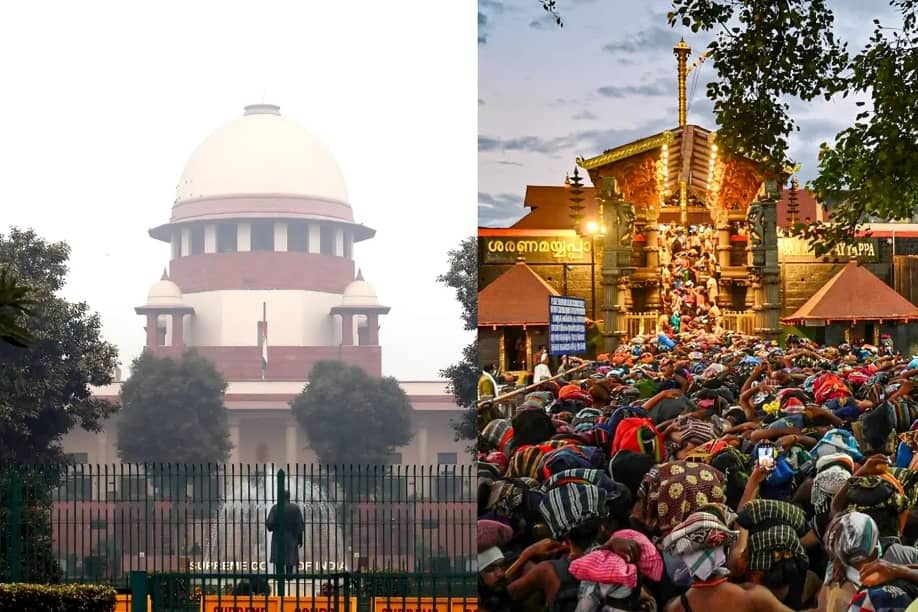
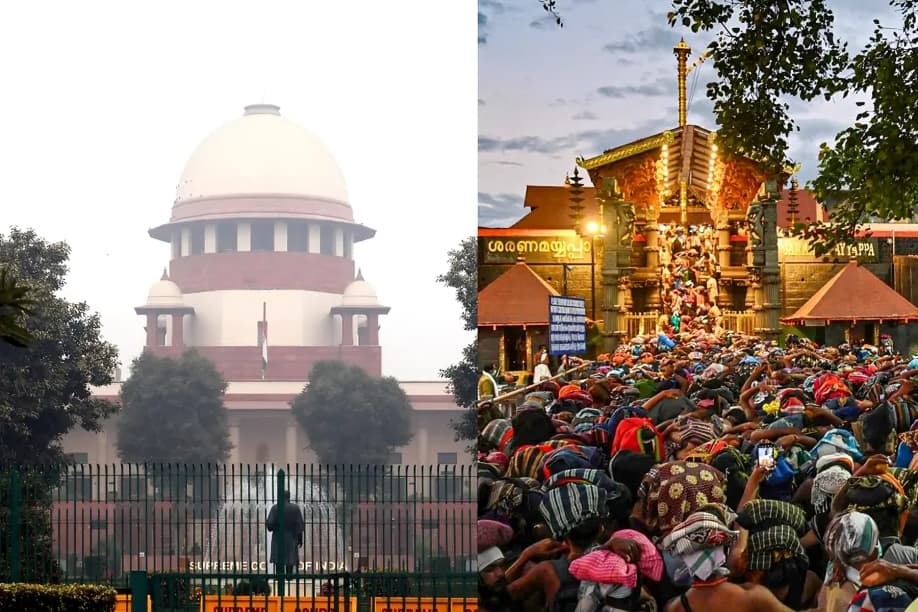
The Supreme Court of India made notable observations during the ongoing hearing related to the Sabarimala Temple matter, advising advocate Ashwini Upadhyay to focus on the primary legal issues under discussion. The court’s remarks came after the advocate’s submissions were perceived to be deviating from the central points of the case.
During the proceedings, the bench emphasized the importance of maintaining relevance in arguments presented before the court. It indicated that discussions should remain confined to the legal and constitutional aspects directly connected to the matter being heard. The observation reflects the judiciary’s approach to ensuring that court time is used efficiently and that proceedings remain structured.
The Sabarimala issue has been one of the most widely discussed legal and social matters in recent years. It involves questions related to religious practices, constitutional rights, and equality. The case has attracted significant public attention, with various stakeholders presenting diverse viewpoints before the court.
In this context, the Supreme Court has been examining multiple petitions and arguments. The bench has consistently stressed the need for clarity and precision in legal submissions. By advising counsel to stay on track, the court aims to facilitate a more focused and effective hearing process.
Advocate Ashwini Upadhyay, who has been actively involved in public interest litigations, presented arguments that extended to broader themes such as dharma and religion. However, the bench indicated that such discussions should be directly linked to the legal questions at hand. This intervention highlights the distinction between philosophical discourse and judicial reasoning.
Legal experts note that courts often guide advocates to ensure that arguments remain relevant and aligned with the issues under consideration. Such directions are part of maintaining procedural discipline and ensuring that all parties receive a fair opportunity to present their case within the defined framework.
The Sabarimala case continues to be significant due to its implications for constitutional interpretation and the balance between religious freedom and fundamental rights. The outcome of the proceedings is expected to have a lasting impact on similar issues in the future.
The hearing also reflects the broader role of the judiciary in addressing complex matters that intersect law, society, and tradition. By focusing on legal principles, the court seeks to provide clarity and uphold constitutional values.
As the case progresses, further arguments from various parties are expected to be heard. Observers are closely following the developments, given the importance of the issues involved.
Overall, the Supreme Court’s observation serves as a reminder of the importance of focused legal argumentation in judicial proceedings. It underscores the need for advocates to align their submissions with the specific questions before the court.