The Supreme Court of India on Wednesday delivered an important judgment by allowing the withdrawal of life sustaining medical treatment for a 31 year old man who has been in a prolonged vegetative state. The decision is being described as a significant development in the legal understanding of passive euthanasia in the country.
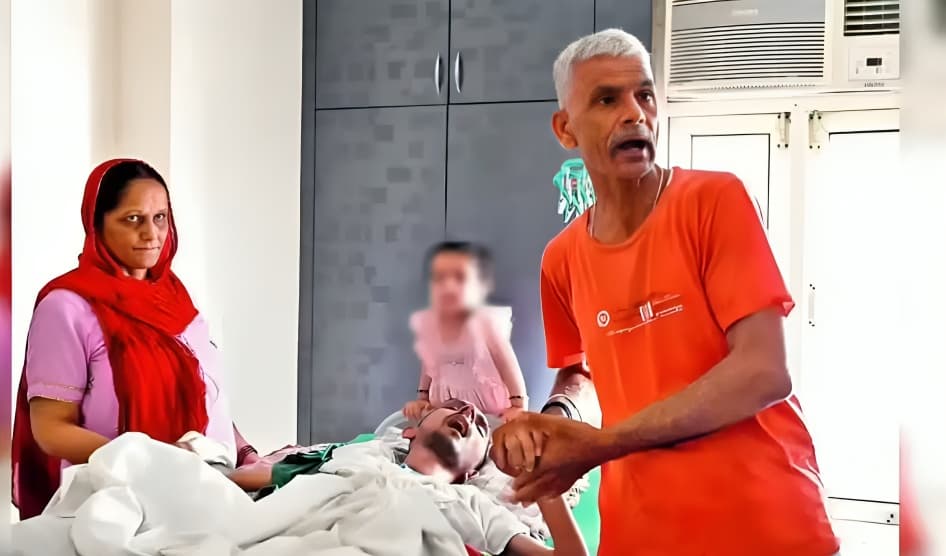
A bench consisting of Justices JB Pardiwala and KV Viswanathan pronounced the order after examining the medical condition and circumstances of the patient identified as Harish Rana. According to the details presented before the court, Rana has been in a vegetative state with complete disability and quadriplegia. His condition requires continuous medical support including assistance for breathing feeding and daily care.
Medical reports submitted to the court indicated that Rana has one hundred percent disability and is completely dependent on artificial life support systems for survival. Doctors informed the court that his condition has shown no signs of improvement and that the chances of recovery are extremely limited.
After reviewing the case the Supreme Court held that when life is prolonged only through artificial medical support without any possibility of recovery it raises serious questions about the dignity of the individual. The bench observed that the right to live with dignity also includes the right to avoid prolonged suffering in certain circumstances.
The court stated that a person has the right to choose death with dignity when medical treatment merely extends biological existence without offering any meaningful quality of life. The judgment emphasized that such decisions must be taken carefully with appropriate medical evaluation and judicial oversight.
As part of its order the Supreme Court directed the All India Institute of Medical Sciences in New Delhi to admit the patient and provide all necessary medical facilities required to carry out the process of withdrawing life support in a controlled and lawful manner. The hospital will be responsible for ensuring that the procedure follows established medical and ethical guidelines.
Passive euthanasia refers to the withdrawal or withholding of medical treatment that keeps a person alive such as ventilators feeding tubes or other forms of life support. In India the Supreme Court had earlier recognized passive euthanasia under strict guidelines in earlier landmark rulings related to the right to die with dignity.
Legal experts say that the latest decision further clarifies how courts may handle such cases in the future. The ruling highlights the importance of balancing medical ethics individual dignity and legal safeguards when dealing with sensitive end of life decisions.
Cases involving withdrawal of life support are extremely rare in India because they require detailed medical assessments and judicial approval. Courts usually examine expert medical opinions the patient condition and the wishes of family members before granting permission.
The Supreme Court judgment is expected to contribute to ongoing discussions about patient rights medical ethics and end of life care in India. Healthcare professionals and legal scholars often emphasize the need for clear procedures that protect both the rights of patients and the responsibilities of medical institutions.
The decision underscores the principle that dignity remains an essential part of the right to life under the Constitution of India even in complex medical situations.