
A Constitution Bench of the Supreme Court is set to begin hearing the Sabarimala case, with the composition of the bench drawing significant attention due to its diverse representation. The bench includes judges from different religious backgrounds, along with representation from a Dalit community and a woman judge. This diversity is seen as important, given the sensitive and wide ranging constitutional issues involved in the case.
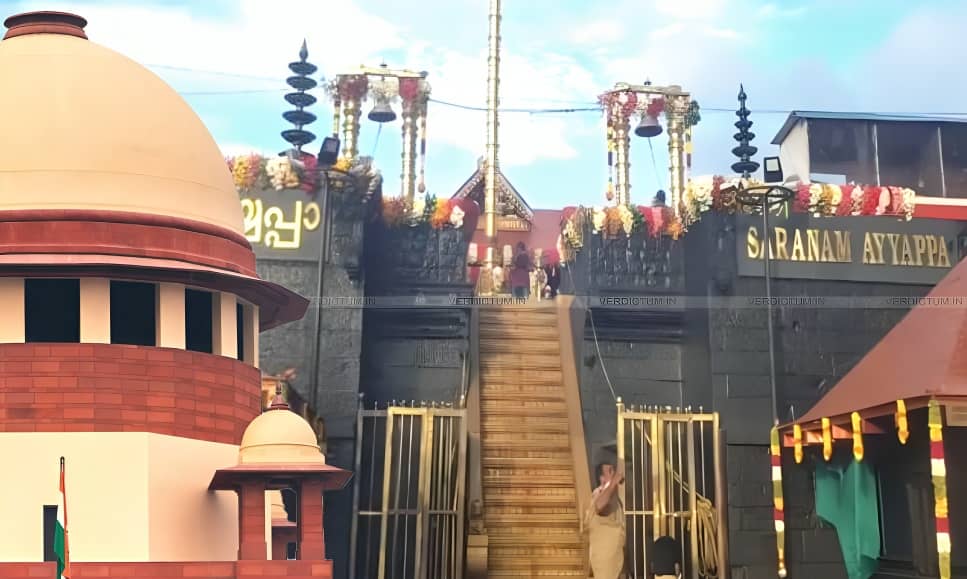
The Sabarimala case revolves around the entry of women into the Sabarimala temple in Kerala, a matter that has sparked extensive legal, social and political debate across the country. The case raises questions about the balance between religious freedom and individual rights, particularly in the context of gender equality.
The Supreme Court had earlier delivered a landmark judgment allowing the entry of women of all age groups into the temple. However, the decision led to widespread discussions and multiple review petitions, prompting the court to examine broader constitutional questions. The current hearing is expected to address these issues in greater detail.
The composition of the bench is considered significant because it reflects a range of perspectives that may contribute to a more comprehensive examination of the issues. Legal experts note that cases involving religion and fundamental rights require careful consideration of diverse viewpoints to ensure that the principles of the Constitution are upheld.
The bench is likely to focus on the interplay between the right to freedom of religion and the right to equality. These rights are enshrined in the Constitution and are often subject to interpretation when they appear to be in conflict. The court will examine whether certain religious practices can be restricted or modified in the interest of ensuring equality and non discrimination.
Another important aspect of the case is the concept of essential religious practices. The court may consider whether the practices in question are integral to the religion and therefore protected under the Constitution. This has been a key point of debate in previous hearings and is expected to be revisited.
The outcome of the case could have far reaching implications, not only for the Sabarimala temple but also for similar issues involving religious practices across the country. It may set a precedent for how courts approach cases where individual rights intersect with religious traditions.
Observers note that the hearing comes at a time when discussions around constitutional values and social equality are gaining prominence. The case provides an opportunity for the judiciary to clarify legal principles and reinforce the balance between tradition and modern constitutional ideals.
The proceedings are expected to be closely followed by legal experts, activists and the general public. The decision of the bench will likely influence future debates on religious freedom and gender equality in India.
As the hearing begins, the focus remains on how the Supreme Court will interpret the Constitution in addressing one of the most complex and sensitive legal issues in recent times. The case underscores the evolving nature of law and its role in addressing societal challenges while upholding fundamental rights.