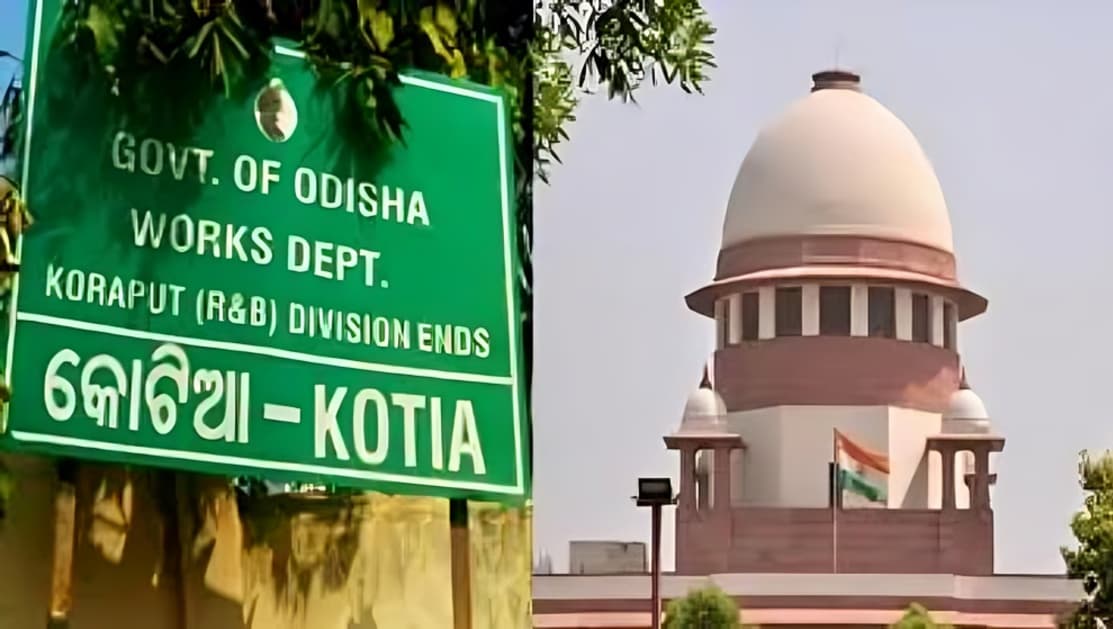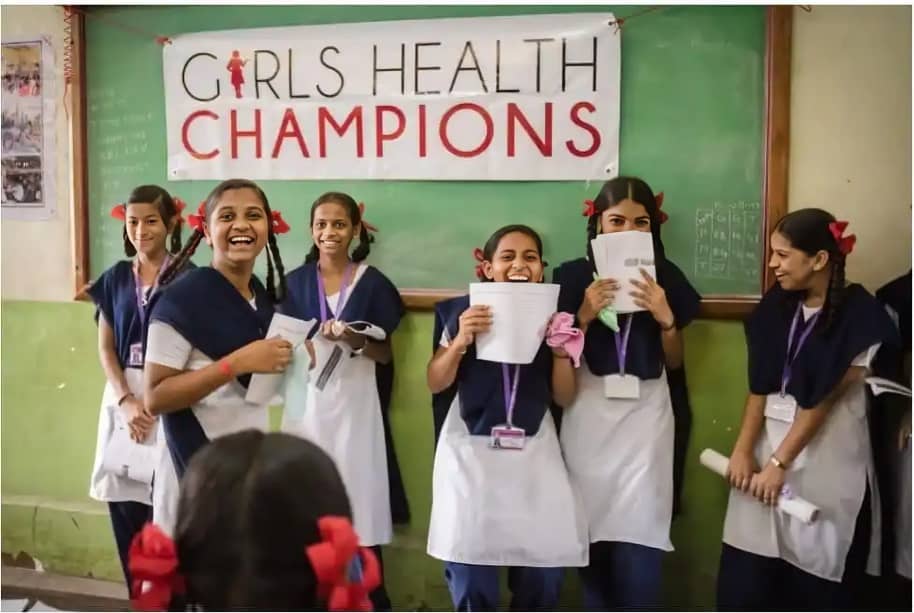
In a landmark judgment on January 20, 2026, the Supreme Court of India recognised menstrual health as a fundamental component of the right to life, reaffirming its importance in ensuring dignity, health, and education for schoolgirls across the country. The Court directed all States and Union Territories to provide biodegradable sanitary pads free of cost to girls in both government and private schools, emphasising that menstrual hygiene is essential for the holistic development and well-being of students.
The Bench, comprising Justices J.B. Pardiwala and R. Mahadevan, stated that access to menstrual hygiene products and facilities is a critical aspect of the right to life under Article 21 of the Constitution. “The right to menstrual health is part of the right to life,” the Court held, underlining the necessity of policy measures that support adolescent girls during school years.
As part of the order, the Court also instructed States and Union Territories to ensure the construction and maintenance of separate toilets for female and male students in all schools. Additionally, all toilets must be designed to be disabled-friendly, guaranteeing access and privacy for all students. The judgment applies to all schools, regardless of whether they are government-run or privately managed, ensuring uniform compliance across the education system.
The Court’s directive comes in response to long-standing concerns over inadequate menstrual hygiene management in Indian schools, which has often led to absenteeism, dropouts, and health risks for adolescent girls. By mandating free access to biodegradable sanitary pads, the Supreme Court has not only addressed health concerns but also reinforced the principle of dignity and gender equality in education.
Experts in public health and education welcomed the decision, highlighting that menstrual hygiene has historically been a neglected aspect of school infrastructure and government schemes. According to health professionals, providing sanitary products alongside safe and accessible toilets is likely to improve attendance rates among girls and reduce gender disparities in education.
The judgment also signals a shift in policy priorities, as menstrual health is increasingly recognised as a public health and human rights issue. By linking menstrual hygiene directly to the right to life, the Supreme Court has set a precedent for future interventions aimed at improving adolescent health, sanitation infrastructure, and gender-inclusive policies in schools.
The Court directed the States and Union Territories to implement these measures promptly and monitor their effectiveness. Officials are expected to report on compliance, ensuring that all schoolgirls have access to sanitary pads and proper toilet facilities without discrimination.
This ruling has been widely described as a progressive step for women’s health, education, and empowerment, reinforcing the notion that menstrual health is a matter of constitutional rights, public policy, and social justice.