Andhra Pradesh Local Body Polls: TDP and YSRCP Trade Allegations as Supreme Court Seeks Fair Elections
AMARAVATI: Political tensions have intensified in Andhra Pradesh ahead of the urban local body elections, with the ruling Telugu Desam Party and the opposition YSR Congress Party trading allegations over violence, intimidation and obstruction during the nomination process. The controversy reached the Supreme Court after the YSRCP approached the court, alleging that its candidates had been prevented from filing nomination papers in several areas.
On October 21, the Supreme Court directed the Andhra Pradesh State Election Commission to examine complaints from the YSRCP and other candidates who claimed they had faced intimidation or obstruction while attempting to submit nominations. The court also directed the commission to consider extending the nomination deadline in locations where candidates were unable to file their papers because of law-and-order problems.
The proceedings have placed the conduct of the local body elections and the responsibility of election authorities to ensure a fair process under close scrutiny.
Supreme Court Emphasises Free and Fair Elections
A bench comprising Justices Joymalya Bagchi and V. Mohana considered the YSRCP's plea after the Andhra Pradesh High Court declined to extend the nomination deadline. The opposition party had sought judicial intervention, arguing that alleged violence and intimidation had prevented its candidates from participating effectively in the elections.
The Supreme Court directed the State Election Commission to assess the complaints and supporting material, including electronic evidence, and decide whether additional time should be provided in affected urban local bodies.
The court also ordered that publication of the final list of contesting candidates be deferred until October 25. Where an extension is granted, the additional nomination period must be at least 48 hours from the publication of the commission's decision.
The bench emphasised that free and fair elections are fundamental to India's constitutional system. Although courts generally avoid interfering in an election process once it has begun, the judges observed that judicial oversight cannot be entirely excluded when credible material raises questions about whether candidates can participate fairly.
The court's directions were intended to ensure that complaints were examined by the competent election authority. They did not establish that every allegation made by either political party had been proved.
YSRCP Alleges Intimidation and Obstruction
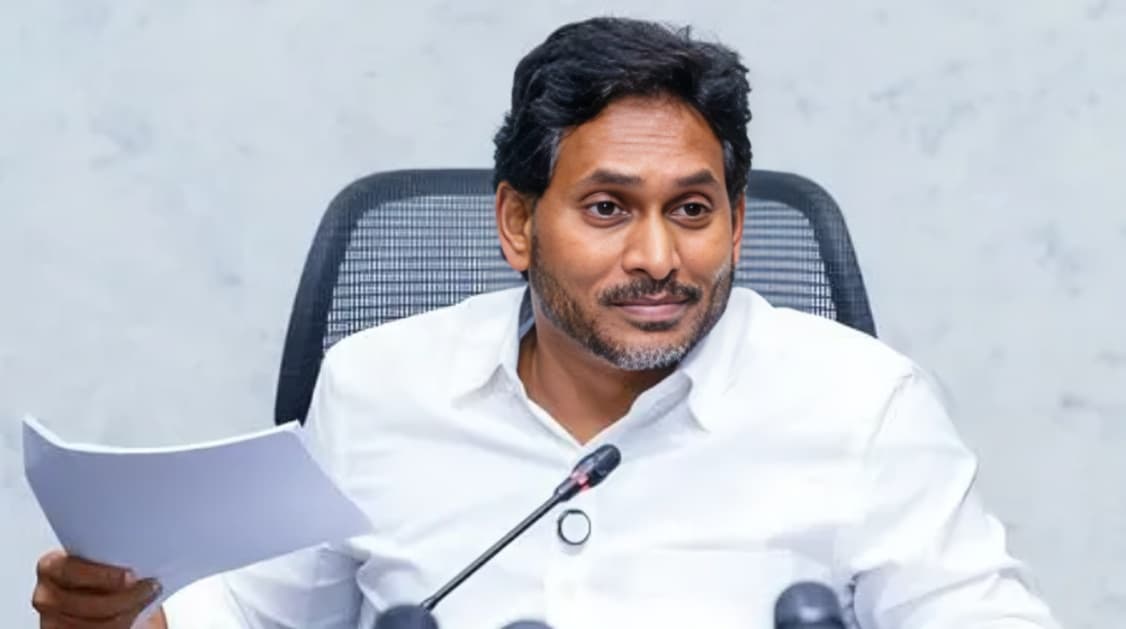
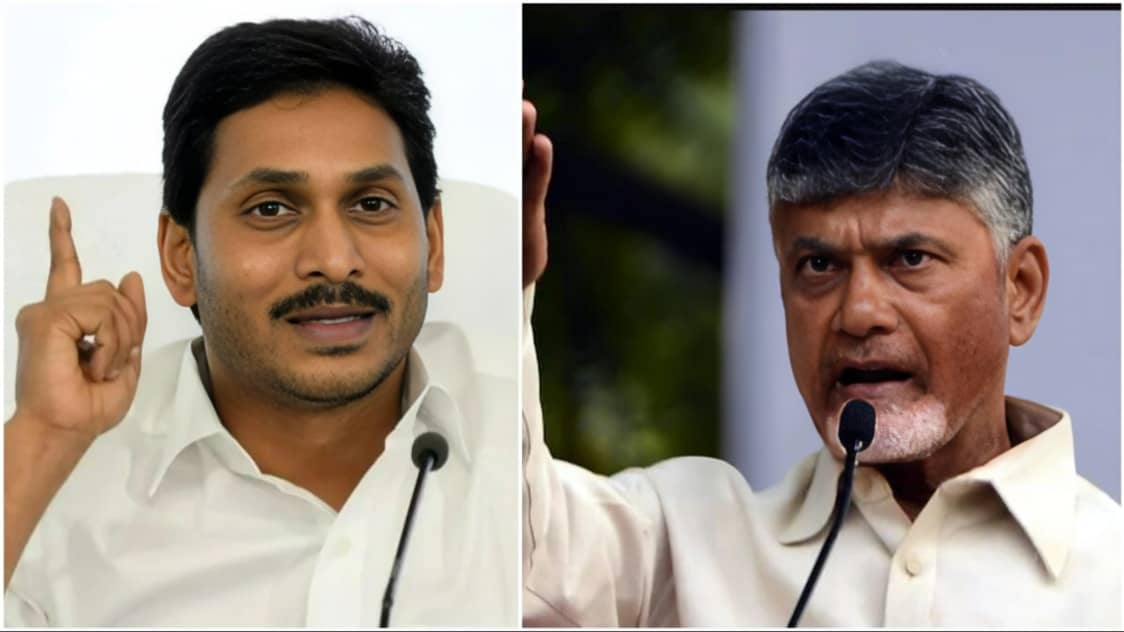
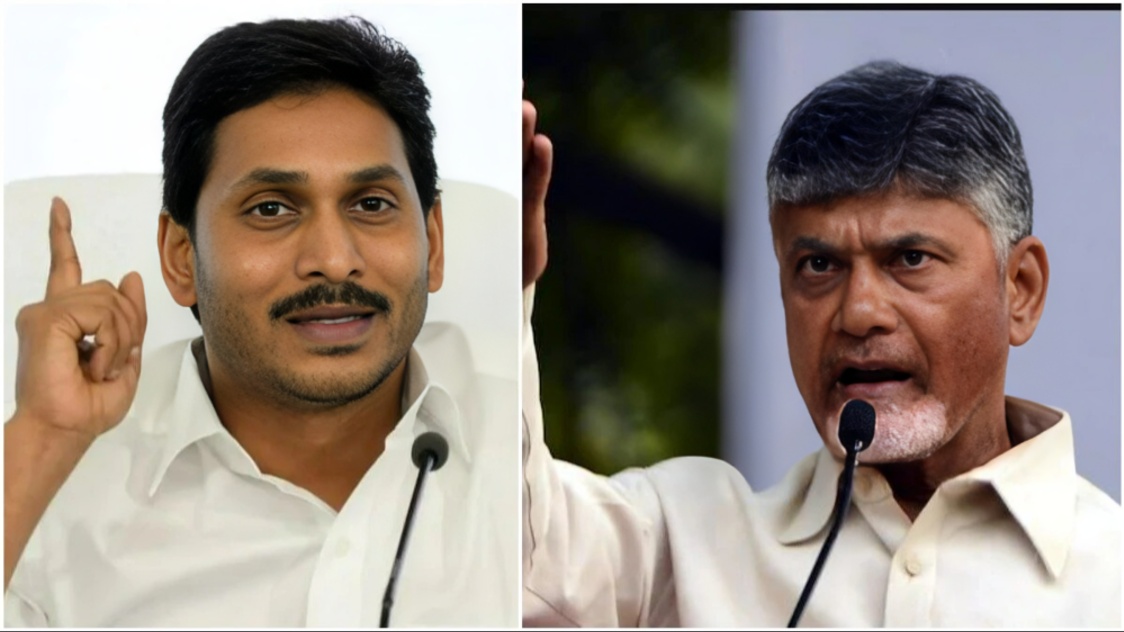
The YSRCP, led by former Andhra Pradesh chief minister Y. S. Jagan Mohan Reddy, alleged that its candidates were attacked, threatened or prevented from entering nomination centres in several locations.
The party cited incidents in places including Punganur, Rayachoti, Kadapa and Tirupati. It alleged that nomination papers had been seized or torn and that some candidates had been unable to submit their documents before the deadline.
The party also raised concerns about whether sufficient security arrangements were in place at nomination centres. It sought protection for candidates, additional facilities for filing nominations and an extension of deadlines in areas where alleged obstruction had occurred.
YSRCP leaders argued that preventing candidates from submitting nominations could undermine electoral competition and lead to candidates being elected unopposed. They called on the election authorities to investigate complaints and take appropriate action based on the available evidence.
These claims form the opposition party's account of the incidents and require assessment by the relevant authorities.
TDP Rejects Allegations
The ruling Telugu Desam Party, led by Chief Minister N. Chandrababu Naidu, rejected the YSRCP's allegations and disputed its description of the situation.
TDP representatives argued that the opposition was presenting localised incidents as evidence of a statewide breakdown in law and order. The party also accused the YSRCP of attempting to disrupt the electoral process through its complaints.
The state government disputed the opposition's account during the Supreme Court proceedings, while the State Election Commission maintained that complaints would be examined on their merits.
The competing statements demonstrate the political tension surrounding the elections. Establishing responsibility for individual incidents will depend on investigations, available video recordings, witness accounts and decisions by the competent authorities.
Neither party's accusations should be treated as established fact without supporting evidence or official findings.
Election Commission Asked to Review Complaints
The Andhra Pradesh State Election Commission has been directed to examine the complaints and decide whether candidates in affected urban local bodies should receive additional time to file nominations.
The Supreme Court also directed the state police chief to ensure adequate protection for candidates and security at nomination centres, including CCTV coverage. The commission and police authorities were asked to submit compliance reports for the court's review.
Following the court's directions, the commission announced that elections would proceed according to schedule in notified municipalities except for 19 municipalities across seven districts that were affected by the order. The commission said it would consider the complaints and determine the appropriate next steps.
The distinction is important because the court did not automatically cancel all local body elections across Andhra Pradesh. Instead, it required the authorities to examine the evidence and take decisions in accordance with its directions.
What Happens Next?
The Supreme Court has scheduled a further hearing for October 27, 2026, when the election authorities are expected to provide compliance information.
The immediate issue is whether the State Election Commission finds sufficient evidence that candidates were prevented from filing nominations because of violence or law-and-order problems. Any decision to extend the deadline will depend on the complaints and evidence concerning the affected locations.
The dispute has highlighted the importance of ensuring that candidates can participate in elections without intimidation and that allegations of electoral misconduct receive timely scrutiny.
As the political parties continue to exchange accusations, the focus remains on the State Election Commission's decisions, police arrangements and the Supreme Court's further consideration of the matter. The final assessment of individual allegations will depend on verified evidence and the findings of the relevant authorities.