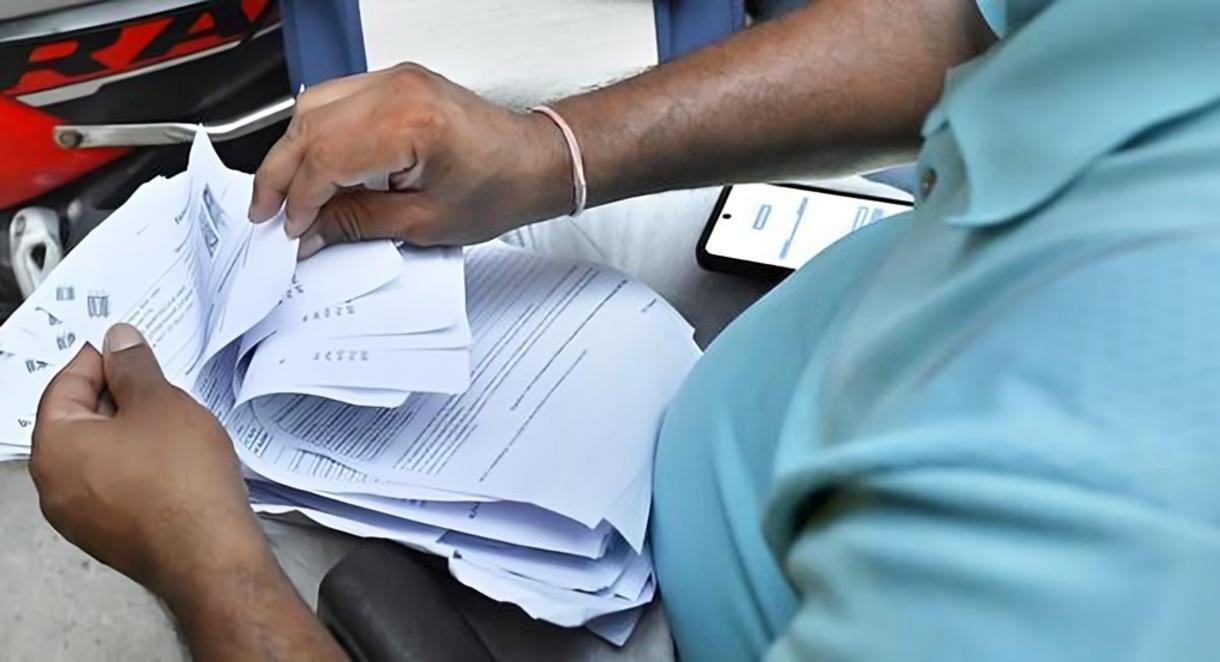
The Supreme Court of India has directed the Election Commission of India (ECI) and the Chief Electoral Officer of Delhi to verify allegations that fraudulent Form 7 applications were submitted to remove eligible voters from the electoral rolls in the Mustafabad Assembly constituency. The alleged misuse reportedly took place during the ongoing Special Intensive Revision (SIR) of electoral rolls in Delhi.
The direction was issued on Thursday, November 19, while the court was hearing a petition filed by Congress leader Ali Mehdi. The petition raised concerns over applications seeking the deletion of voters' names, allegedly without the knowledge or authorisation of the individuals identified as objectors.
A three-judge bench comprising Chief Justice of India Surya Kant and Justices Joymalya Bagchi and V Mohana heard the matter. The bench directed the concerned authorities to examine the allegations and take necessary remedial measures strictly in accordance with the law.
However, the Supreme Court made it clear that it was not expressing any opinion on the merits of the allegations. The court disposed of the petition after noting that the petitioner had already submitted representations to the relevant authorities.
What Is Form 7 and How Is It Used?
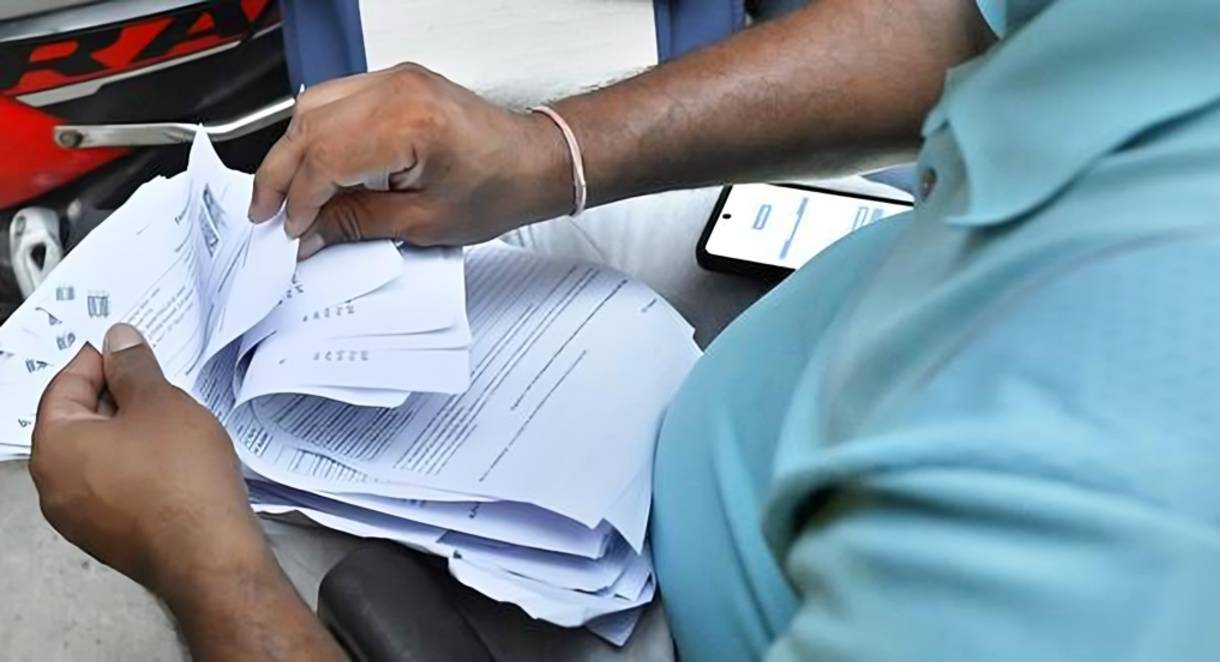
Form 7 is an official document used in the electoral registration process. Under the Election Commission's procedures, it allows an eligible person to raise an objection to the inclusion of a name in the electoral roll or request the deletion of an existing entry on permitted grounds.
Such objections may relate to circumstances in which a voter is reported to have died, permanently shifted residence or otherwise become ineligible to remain registered in that constituency.
The purpose of the procedure is to maintain accurate electoral records and ensure that voter lists reflect eligible electors. However, applications seeking deletion must be examined by the appropriate electoral registration authorities before any decision is taken.
The allegations raised in the Mustafabad case concern the authenticity of certain Form 7 applications. The petitioner claimed that applications had been submitted in the names of booth-level agents who allegedly did not file or authorise them. Concerns were also raised that some voters identified for deletion were still alive and residing at their registered addresses.
Petition Raises Questions Over Alleged False Applications
Congress leader Ali Mehdi approached the Supreme Court after raising concerns about the alleged filing of false Form 7 objections during the SIR exercise.
The petition relied on media reports that stated several booth-level agents whose names appeared on the applications had denied signing or submitting them. It also referred to cases in which voters reportedly listed as deceased or shifted were allegedly found to be living at their recorded addresses.
During the hearing, the petitioner's counsel told the court that 37 Form 7 applications had been filed by one booth-level agent and claimed that 36 of those applications had turned out to be false. The counsel also referred to 28 electors who, according to the submissions, were found to be residing at their respective addresses despite being named in deletion applications.
These figures and claims were presented by the petitioner's side during the proceedings. The Supreme Court did not independently establish their accuracy or make a finding that the applications were fraudulent. Instead, it directed the Election Commission and the Delhi Chief Electoral Officer to verify the information.
Supreme Court Highlights the Role of Booth-Level Agents
During the hearing, the bench also discussed the position of booth-level agents and the Election Commission's authority over them.
Booth-level agents, commonly known as BLAs, are appointed by recognised political parties to assist in electoral processes and represent their respective parties at the polling booth level. Their responsibilities may include helping with voter-list verification and bringing discrepancies to the attention of election officials.
The court observed that the Election Commission does not exercise direct control over booth-level agents in the same manner as it does over its own officials, since these agents are appointed by political parties.
The bench also discussed the possible action available against an agent if a fraudulent application is established. Justice Joymalya Bagchi observed that the Election Commission could blacklist a booth-level agent found to have submitted a fraudulent application, while noting the limits of the commission's control over party-appointed representatives.
The observation brought attention to the distinction between the Election Commission's responsibility for managing electoral procedures and the role of agents appointed by political organisations.
Court Directs Authorities to Take Action According to Law
The Supreme Court noted that the petitioner had already approached the police, the Election Commission and the Delhi Chief Electoral Officer with complaints about the alleged misuse of Form 7.
Since representations had already been submitted, the bench decided not to examine the allegations in detail at that stage. It directed the authorities concerned to verify the information and take necessary remedial steps in accordance with the law.
The court's direction does not amount to a finding that voter-deletion applications were forged or that any particular individual was responsible. The responsibility for examining the complaints and establishing the facts rests with the appropriate authorities.
During the hearing, the issue of the police not registering a First Information Report was also raised by the petitioner's counsel. Justice Bagchi indicated that the petitioner could approach a magistrate if necessary regarding the matter.
Significance for the Special Intensive Revision Exercise
The case has drawn attention to the importance of safeguards during the Special Intensive Revision of electoral rolls. The SIR process is intended to review and update voter records, including identifying entries that may require correction or deletion.
While accurate electoral rolls are essential for conducting elections, the process must also protect eligible voters from wrongful removal. Applications seeking deletion need to be genuine, properly submitted and examined through the prescribed procedure.
Allegations that applications were filed without the knowledge of the named objectors raise questions about verification and accountability. If such claims are established, appropriate action under the applicable rules and laws may be necessary.
The Supreme Court's direction places the immediate responsibility on the Election Commission and the Delhi Chief Electoral Officer to examine the specific complaints raised in the petition.
What Happens Next?
The Election Commission and the Delhi Chief Electoral Officer are expected to verify the allegations concerning the Form 7 applications in Mustafabad. Any corrective measures will have to be taken in accordance with the applicable legal provisions and electoral procedures.
The Supreme Court has disposed of Ali Mehdi's petition without making a final determination on whether the alleged fraudulent applications were actually submitted. The outcome will therefore depend on the verification carried out by the authorities.
The case highlights the need for transparency and proper scrutiny in the preparation and revision of electoral rolls. Ensuring that genuine voters are not removed through unauthorised or incorrect objections remains an important part of maintaining public confidence in the electoral process.
The court's direction reinforces the responsibility of election authorities to examine complaints carefully and respond appropriately whenever irregularities are established.