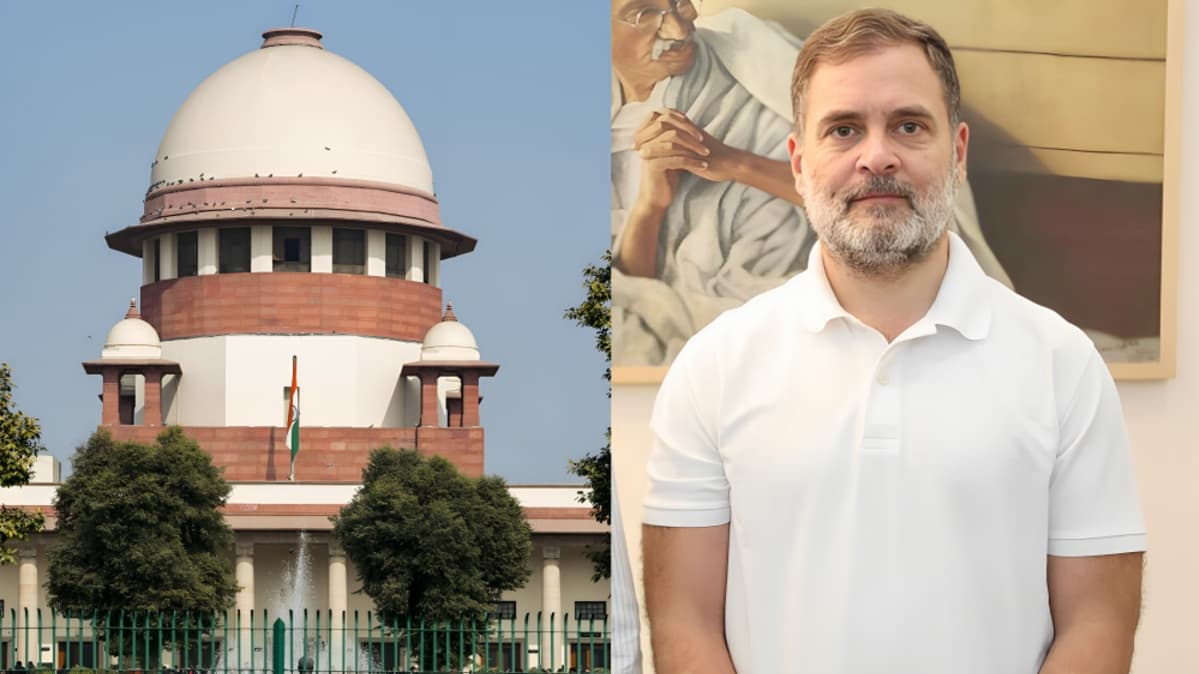

The Supreme Court of India has raised serious concerns about medicine pricing, questioning the Centre over the wide gap between the prices at which medicines are purchased and the amounts charged to patients. During a hearing on October 27, 2026, the court criticised excessive hospital markups and described such charges as “loot” and “dacoity.”
A bench comprising Justices Vikram Nath and Sandeep Mehta questioned why the existing pricing system appeared to benefit pharmaceutical manufacturers rather than patients. The proceedings focused on the affordability of medicines, the regulation of non-scheduled drugs and the prices charged by private hospitals for medicines and medical consumables.
The court's observations have renewed attention to the cost of healthcare in India, particularly for patients who require expensive and long-term treatment. The bench also questioned whether the current regulatory framework adequately protects patients from excessive medicine prices.
Supreme Court Questions the Centre's Pricing Policy
During the hearing, the Supreme Court questioned the Centre about the substantial difference between the maximum retail price of medicines and the prices at which retailers purchase them.
The bench expressed concern that the existing system did not adequately address these price differences. It also criticised the functioning of the National Pharmaceutical Pricing Authority, the government body responsible for monitoring and regulating medicine prices.
The Centre, represented by Additional Solicitor General Aishwarya Bhati, submitted that medicine prices in India were among the lowest in the world. However, the bench indicated that prices should also be assessed in relation to people's incomes and their ability to afford medical treatment.
The judges emphasised that healthcare pricing cannot be considered solely from a commercial perspective because medicines are essential to patients' health and, in many cases, survival.
The court questioned the delay in regulating profit margins on cancer medicines and asked why stronger measures had not been introduced earlier. It also sought an explanation for the substantial differences between procurement prices and the amounts charged to patients.
Cancer Injection Price Difference Raises Concern
One of the examples discussed during the hearing involved a chemotherapy injection used in cancer treatment.
According to the account presented before the court, a medical distributor whose wife was undergoing cancer treatment informed hospital authorities that he could obtain the injection at a dealer price of approximately Rs 11,000. The hospital reportedly charged Rs 1.30 lakh for the same injection.
The example prompted the bench to question how such a substantial difference could be justified and where the additional amount went.
The judges used the case to highlight the financial pressure that patients and their families can face while seeking essential treatment. Cancer care can involve repeated hospital visits, diagnostic tests, medicines and other medical expenses, making the cost of drugs a significant concern.
The court questioned whether hospitals could justify steep markups simply by referring to their operating expenses. It indicated that healthcare institutions should find legitimate ways to meet their costs rather than relying on excessive margins on medicines.
The example became a central part of the discussion about transparency in hospital billing and the need to ensure that patients receive treatment at reasonable prices.
Court Criticises Excessive Hospital Markups
The Supreme Court also questioned the pricing practices of private hospitals, particularly where the amounts charged for medicines were substantially higher than the prices at which those products could be obtained.
Representing private hospitals, senior advocate Mukul Rohatgi argued that hospitals must maintain infrastructure and services around the clock. He also raised concerns about ensuring the quality and authenticity of medicines supplied to patients.
The arguments highlighted the operational challenges faced by healthcare institutions, including staffing, equipment, emergency services and the maintenance of medical facilities.
However, the bench questioned whether those expenses could justify charging patients many times the procurement price of medicines. The judges observed that hospitals could recover legitimate operational costs through other means rather than imposing excessive markups on drugs and medical consumables.
The court also raised questions about corporate discounts that pharmaceutical manufacturers may offer to hospitals and other large purchasers. It sought greater clarity about how such arrangements affect the final prices paid by patients.
The observations underlined the need for transparency in the pricing chain, from manufacturers and distributors to hospitals and patients.
What Are Non-Scheduled Medicines?
The petitions before the Supreme Court concern the regulation of medicine prices, including drugs that do not fall under the scheduled category of the Drugs Prices Control Order.
Under India's medicine pricing framework, scheduled medicines are subject to government price ceilings. These controls are linked to the relevant list of essential medicines and the applicable pricing rules.
Non-scheduled medicines are generally not subject to the same initial ceiling-price mechanism, although regulations place limits on certain price increases. Petitioners have argued that the existing framework leaves room for substantial differences between the costs of medicines and their maximum retail prices.
The petitions seek stronger regulation of the initial prices of non-scheduled medicines, mandatory generic prescriptions and statutory limits on trade margins for medical devices.
Generic medicines contain the same active ingredients as their corresponding branded versions and must meet applicable quality standards. Greater use of affordable generic medicines is often discussed as one way to reduce treatment expenses, although the suitability of a medicine depends on the patient's clinical needs and the prescribing doctor's advice.
The case therefore concerns several connected issues, including the regulation of drug prices, prescription practices and the costs of medical consumables.
Centre's Measures to Control Cancer Drug Prices
The Centre has previously introduced measures to address the cost of certain cancer medicines. During the proceedings, the government's approach to regulating trade margins on anti-cancer drugs was also discussed.
The government has referred to a trade margin cap of 30 per cent for selected anti-cancer medicines. It has estimated that the measure could reduce patients' expenses significantly, although the actual savings depend on the medicines covered and the applicable pricing changes.
The Supreme Court questioned why stronger regulation had taken so long and whether the measures introduced so far were sufficient to address the wider problem.
The discussion also raised questions about whether price-control measures should extend to a broader range of medicines and medical consumables. The Centre maintained that its policies were intended to balance different considerations, including affordability, supply and the functioning of the pharmaceutical market.
The court's observations indicated that the interests of patients must remain central to decisions affecting access to essential medicines.
Supreme Court Reserves Its Order
After hearing arguments from the parties, the Supreme Court reserved its order in the matter. This means the court will deliver its decision at a later stage rather than announcing a final ruling at the end of the hearing.
The eventual decision could have implications for medicine pricing, hospital markups, generic prescriptions and the regulation of medical devices, depending on the issues addressed in the order.
Until the court issues its decision, the observations made during the hearing should not be treated as a final determination of all the issues raised in the petitions.
The case has brought renewed focus to the balance between healthcare costs, commercial considerations and patients' ability to obtain necessary treatment. For many families, the price of medicines is a major part of medical expenditure, particularly when treatment is prolonged or involves serious illnesses.
The Supreme Court's scrutiny of medicine pricing highlights the importance of transparent billing, effective regulation and clear rules governing the prices charged to patients. The next significant development will be the court's formal order and any further action taken by the Centre and the relevant regulatory authorities.