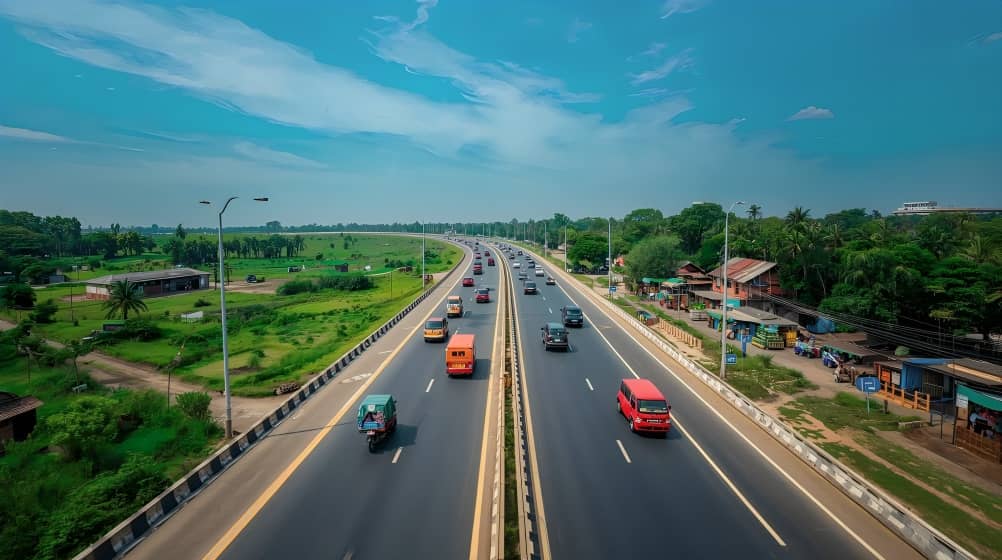
The Supreme Court of India has issued a significant order restricting the parking of commercial and heavy vehicles on national highways. The directive has been introduced in response to increasing concerns over road safety and repeated incidents involving accidents caused by vehicles parked along high speed corridors.
According to the court’s observations, stationary heavy vehicles on highways pose a serious risk to moving traffic. Such situations have contributed to multiple accidents, including fatalities, over the years. The new order aims to address this issue by ensuring that highways remain clear of unnecessary obstructions.
The decision applies to all commercial transport vehicles, including trucks and other heavy goods carriers. Authorities have been directed to ensure strict enforcement of the rule, and penalties are expected to be imposed on those who violate the guidelines. The focus of the order is to improve overall road safety and reduce preventable accidents.
The Supreme Court of India has emphasized the importance of maintaining uninterrupted traffic flow on highways. High speed roads are designed for continuous movement of vehicles, and any obstruction can significantly increase the risk of collisions, especially during night hours or low visibility conditions.
Transport operators and drivers are now expected to comply with designated parking rules. Authorities are likely to identify specific rest areas and parking zones where heavy vehicles can stop safely without affecting highway traffic. This is expected to reduce random roadside parking.
Road safety experts have long highlighted the dangers of unauthorized highway parking. Vehicles parked on or near moving lanes often become difficult to spot, particularly for fast moving traffic. This increases the likelihood of rear end collisions and multi vehicle accidents.
The directive is also expected to prompt state and highway authorities to improve infrastructure. This may include the development of dedicated truck lay bys, rest stops, and parking facilities along major highways to accommodate long distance transport needs.
Enforcement of the order will require coordination between traffic police, transport departments, and highway authorities. Regular monitoring and penalty systems are likely to be put in place to ensure compliance. The effectiveness of the order will depend on how well it is implemented on the ground.
The ruling reflects the judiciary’s focus on improving road safety standards in India. With increasing traffic volumes on national highways, the risk of accidents has also risen, making regulatory interventions necessary.
Transport associations may also need to adapt their operational practices in response to the new guidelines. Proper planning of routes and rest stops will become more important to ensure compliance with the restrictions.
The order by the Supreme Court of India is expected to have a long term impact on highway safety management. If implemented effectively, it could help reduce accident rates and improve traffic discipline on major road networks across the country.