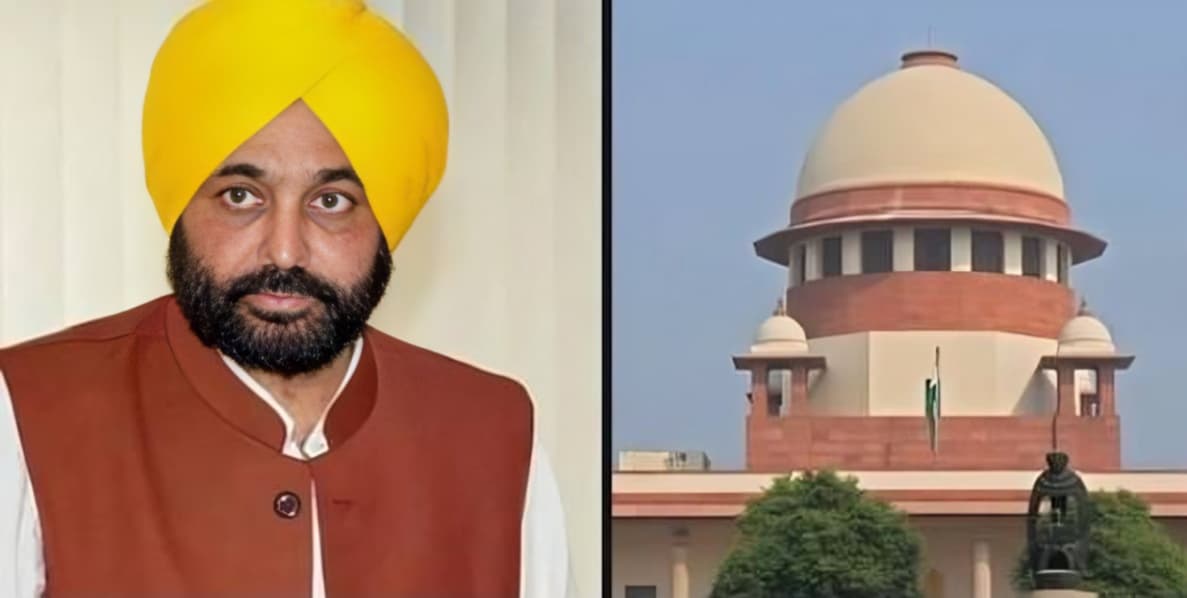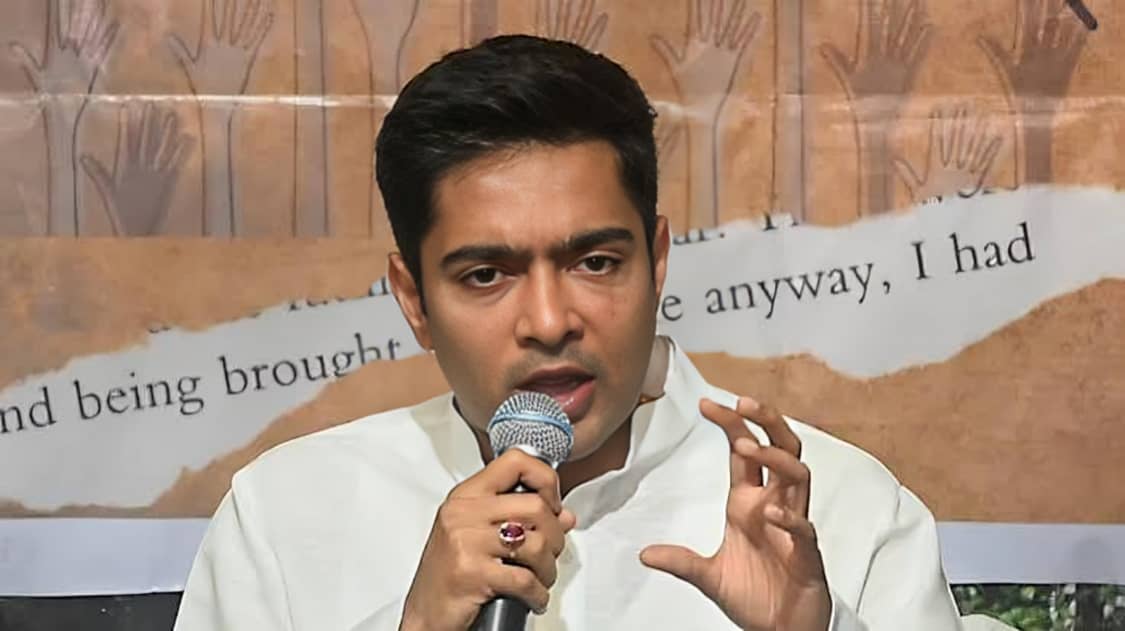
The Supreme Court has sought responses from 20 rebel Trinamool Congress MPs in connection with a petition filed by Trinamool Congress general secretary and Lok Sabha member Abhishek Banerjee.
The petition concerns the alleged delay in deciding disqualification petitions pending before Lok Sabha Speaker Om Birla against the 20 MPs. Abhishek Banerjee has approached the Supreme Court seeking directions for an early decision on the disqualification pleas.
The matter came before the Supreme Court on Tuesday, when the bench sought responses from the MPs named in the petition. The proceedings focus on whether the pending disqualification petitions should be decided by the Lok Sabha Speaker within a specified period.
Abhishek Banerjee has requested the Supreme Court to direct Speaker Om Birla to consider and decide the disqualification petitions expeditiously. The plea raises concerns over the time taken to act on petitions seeking action against the MPs.
The issue involves the constitutional and parliamentary procedures governing the disqualification of members of the Lok Sabha. Under the parliamentary system, petitions relating to the disqualification of MPs on certain grounds are considered by the competent constitutional authority, with the Lok Sabha Speaker playing a key role in matters concerning members of the House.
During the hearing, Solicitor General Tushar Mehta appeared before the Supreme Court on behalf of Lok Sabha Speaker Om Birla and the Secretary General of the Lok Sabha.
The Supreme Court asked the Solicitor General to obtain instructions from the Speaker regarding the pending petitions and the circumstances surrounding the delay in taking a decision.
The court's direction comes as the dispute over the status of the 20 rebel Trinamool Congress MPs moves into the judicial arena. The response of the MPs will be important for the court to understand their position on the allegations and the request for their disqualification.
The petition filed by Abhishek Banerjee does not itself result in the disqualification of the MPs. The final decision on any disqualification petition would have to follow the applicable constitutional and parliamentary procedures.
The Supreme Court's notice provides an opportunity for the concerned MPs to respond to the allegations and to explain their position before the court. The proceedings will also allow the court to consider the arguments of the petitioner and the position of the Lok Sabha authorities.
The dispute is significant from a parliamentary perspective because questions concerning the disqualification of elected representatives can have implications for the functioning of political parties and legislative representation.
The matter also highlights the constitutional role of the Lok Sabha Speaker in dealing with petitions concerning members of the House. At the same time, the Supreme Court's consideration of the petition raises questions about the extent to which judicial directions can be sought regarding the timing of decisions by parliamentary authorities.
Abhishek Banerjee's plea seeks an expeditious decision rather than directly asking the Supreme Court to disqualify the MPs. His request is focused on ensuring that the pending petitions before the Speaker are considered without further delay.
The Solicitor General's appearance on behalf of the Speaker and the Lok Sabha Secretary General indicates that the parliamentary authorities are represented in the proceedings. The Supreme Court's request for instructions from the Speaker is expected to provide the court with information about the status of the pending petitions.
The 20 MPs who have received notice will now have an opportunity to place their responses before the Supreme Court. Their submissions could address the allegations made against them, the maintainability of the petition and other legal or procedural issues.
The court will consider the responses before deciding the next course of action in the case.
Disqualification of MPs is governed by constitutional provisions and parliamentary rules. Different grounds can apply depending on the circumstances of a case. In matters involving alleged defection, the Tenth Schedule of the Constitution contains provisions relating to disqualification on the ground of defection.
The present proceedings are therefore being closely watched because of their implications for parliamentary membership and the relationship between political parties and their elected representatives.
The Supreme Court's intervention at this stage is limited to examining the petition and seeking responses from the concerned parties. The notice should not be interpreted as a finding against the 20 MPs or as confirmation that they will be disqualified.
The final outcome will depend on the arguments presented by Abhishek Banerjee, the responses of the 20 MPs and the position taken by the Lok Sabha authorities.
The case also brings attention to the importance of timely consideration of petitions involving the status of elected representatives. Decisions concerning parliamentary membership can affect both individual MPs and the composition and functioning of legislative bodies.
For the Trinamool Congress, the proceedings are significant because the petition has been filed by its general secretary and Lok Sabha member against MPs described as rebels. For the concerned MPs, the proceedings provide an opportunity to defend their position before the court.
The Supreme Court's request for instructions from the Speaker is expected to clarify the current status of the disqualification petitions and the reasons for the delay, if any.
The matter is likely to proceed after the court receives responses from the 20 MPs and obtains the requested instructions from the Lok Sabha Speaker.
At this stage, no final decision has been taken regarding the disqualification of the MPs. The Supreme Court has only sought their responses and asked the Solicitor General to obtain instructions from the Speaker.
The proceedings will therefore be important to watch as the court considers the legal and procedural questions surrounding the pending disqualification petitions.