
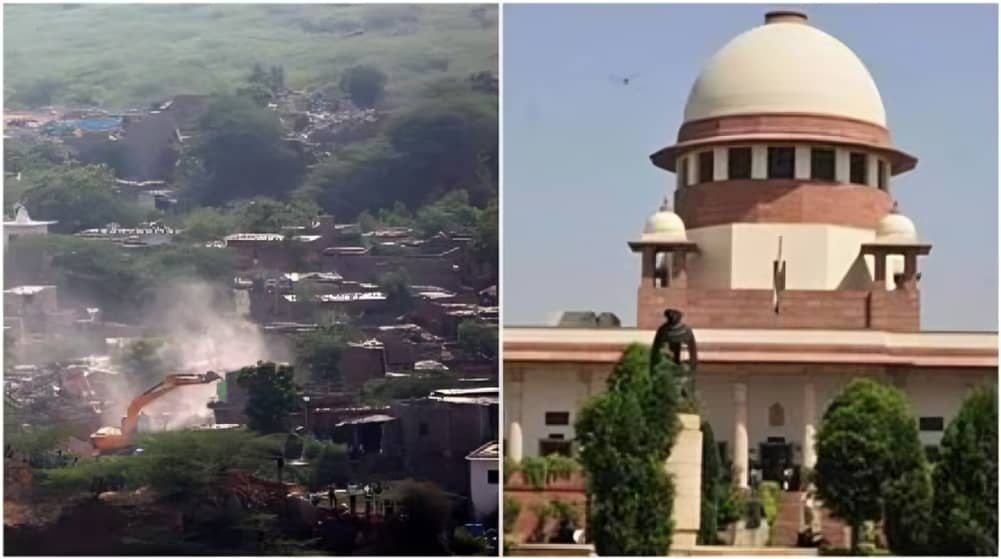
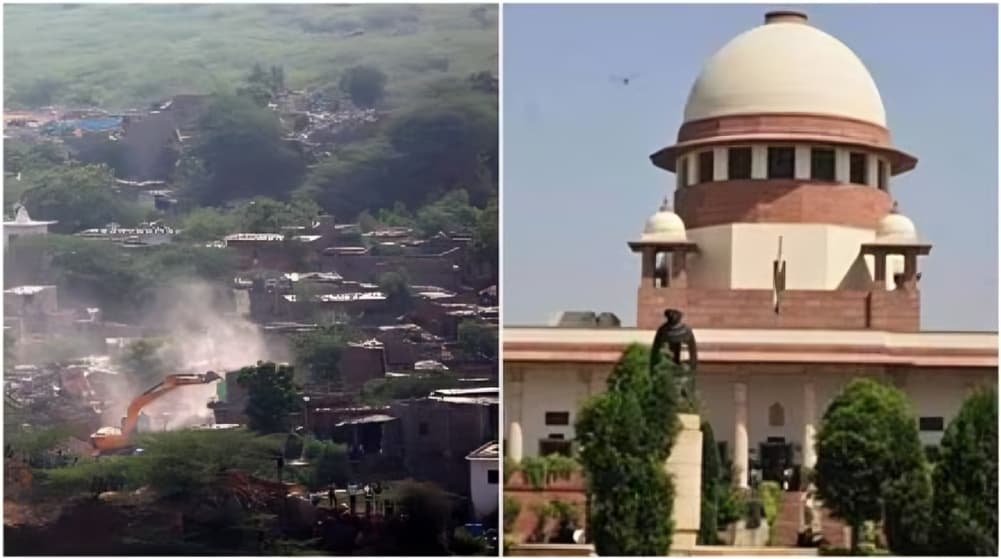
The Supreme Court on Wednesday ordered the constitution of an expert committee to examine mining activities and their environmental impact in the ecologically sensitive Aravalli hill range. Highlighting the serious and long-term consequences of illegal mining, the court observed that unchecked extraction could lead to irreversible damage to one of the country’s oldest mountain systems.
A bench led by Chief Justice Surya Kant directed Additional Solicitor General Aishwarya Bhati and court-appointed amicus curiae K Parameshwar to submit suggestions for the proposed committee within four weeks. The court asked them to recommend names of environmentalists, geologists and scientists with proven expertise in mining regulation, environmental conservation and sustainable development.
The bench made it clear that the expert panel would function under the direct supervision of the Supreme Court. The committee’s mandate will include conducting a comprehensive review of mining operations, assessing compliance with environmental laws, and examining the broader ecological impact of mining activities across the Aravalli range, which stretches across multiple states including Rajasthan, Haryana and parts of the National Capital Region.
During the hearing, the court reiterated its concern that illegal and unregulated mining has the potential to permanently alter fragile ecosystems, deplete groundwater levels and increase environmental risks such as soil erosion and desertification. The Aravalli hills play a crucial role in maintaining ecological balance, acting as a natural barrier against desert expansion and supporting biodiversity in the region.
The Supreme Court also extended its earlier interim order that had kept in abeyance its November 20 directions accepting a uniform definition of the Aravalli hills and ranges. That earlier decision had sparked debate among stakeholders, including state governments, environmental groups and industry representatives, over its implications for development and conservation activities.
By continuing the stay on the uniform definition, the court indicated that it would prefer to await a detailed, expert-driven assessment before taking any final view on regulatory or definitional issues related to the Aravalli range. The expert committee’s findings are expected to play a key role in shaping future judicial directions on mining, land use and environmental protection in the region.
Environmental activists have long raised concerns about the degradation of the Aravalli hills due to mining, construction and deforestation. The court’s decision to involve independent experts is seen as a significant step toward ensuring a balanced approach that takes into account both environmental protection and legitimate development needs.
The Supreme Court’s intervention underscores the judiciary’s increasing focus on environmental governance and sustainable development. By setting a clear four-week timeline for the formation of the expert panel, the court has signalled urgency in addressing the issue and preventing further damage to the Aravalli ecosystem.
Further hearings are expected after the expert committee is constituted and begins its review, with the court likely to consider additional measures based on the panel’s recommendations.


