
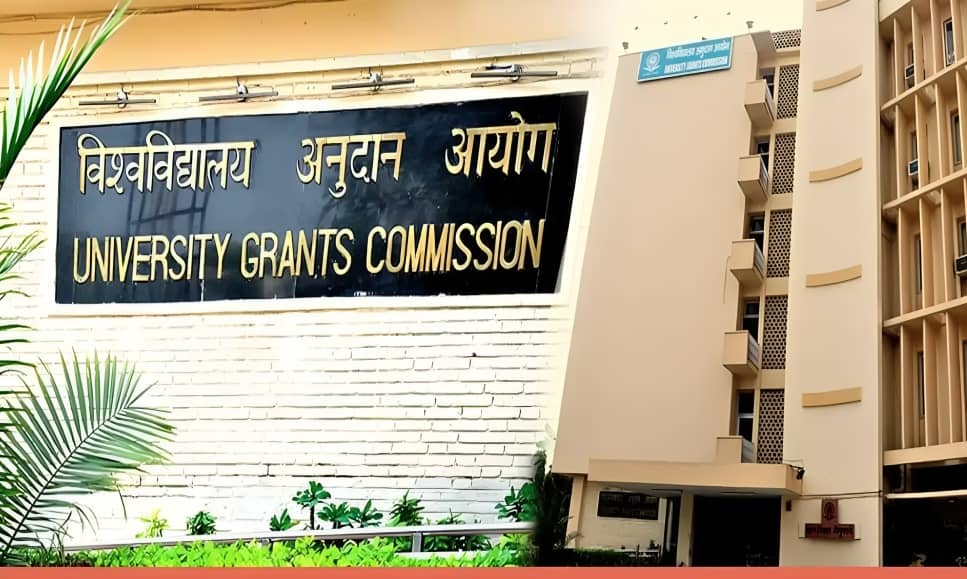
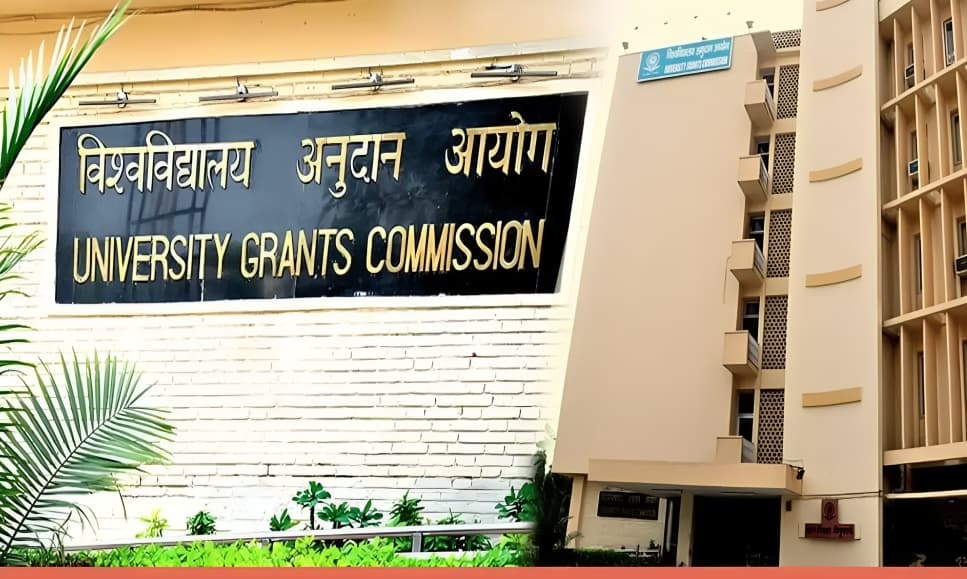
The Supreme Court on Wednesday agreed to list for hearing a petition challenging the University Grants Commission’s newly notified equity regulations for higher education institutions, scheduled to come into effect from 2026. The regulations have drawn criticism for adopting what the petitioner describes as a non inclusionary definition of caste based discrimination, which could potentially exclude certain groups from protection under the policy.
The matter came up before a bench comprising Chief Justice Surya Kant and Justice Joymalya Bagchi. During the proceedings, a lawyer appearing for the petitioner sought an urgent hearing, arguing that the regulations could adversely affect students from the general category. The petition, titled Rahul Dewan and Others versus Union of India, questions the scope and interpretation of caste based discrimination as outlined in the UGC framework.
Addressing the court, the counsel submitted that the definition used in the regulations may lead to unequal treatment and unintended discrimination. The lawyer urged the court to intervene at an early stage, stating that the regulations could have far reaching consequences for admissions, institutional governance, and grievance redressal mechanisms within universities and colleges across the country.
Responding to the submissions, Chief Justice Surya Kant acknowledged the concerns raised and indicated that the court was aware of the broader implications of the issue. The bench directed the petitioner to ensure that all procedural defects in the plea were cured, after which the matter would be formally listed for hearing. The court did not issue any interim directions at this stage.
The UGC equity regulations aim to promote fairness, inclusion, and equal opportunity in higher education institutions. They lay down guidelines for preventing discrimination on various grounds and for ensuring institutional mechanisms to address complaints. However, critics argue that the current formulation of caste based discrimination within the regulations may be restrictive and could fail to address certain forms of exclusion.
Legal experts note that the case raises important constitutional questions related to equality, non discrimination, and access to education. The outcome of the hearing could have significant implications for how equity policies are framed and implemented in universities and colleges nationwide. It may also influence future regulatory approaches adopted by education authorities.
As higher education institutions prepare to align with the 2026 regulations, the Supreme Court’s decision to examine the challenge is being closely watched by students, educators, and policymakers. The court’s eventual ruling is expected to clarify the legal position on inclusion, caste based protections, and the balance between affirmative measures and equal treatment under the law.


