
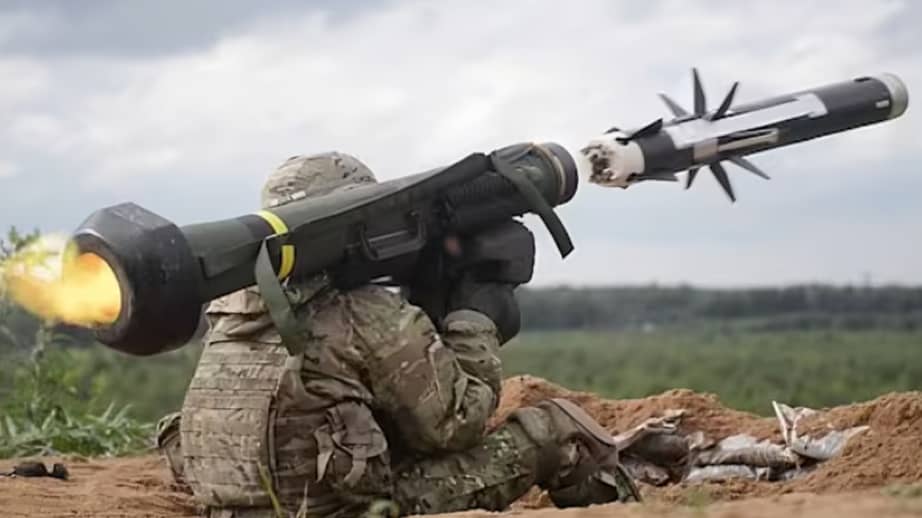
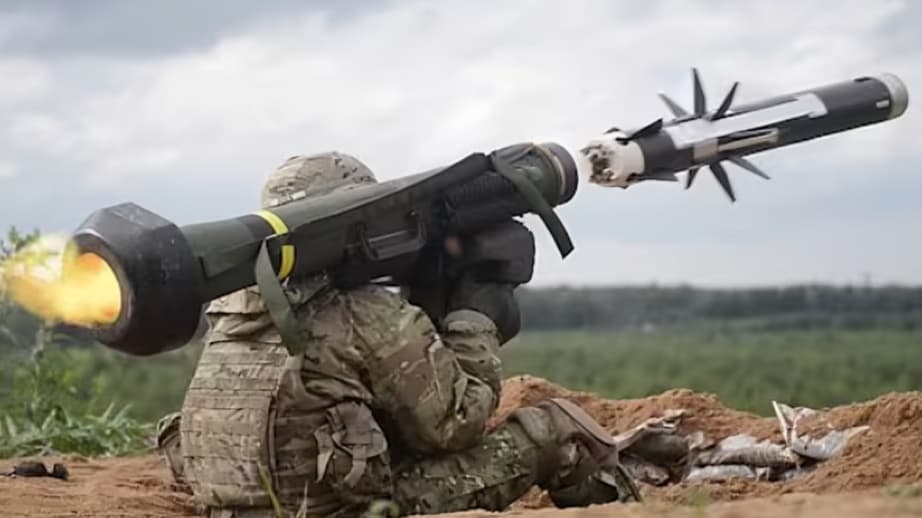
The United States has cleared the possible sale of Javelin anti-tank missile systems to India, signaling a deepening of defense cooperation between the two countries. According to official sources, the potential package is expected to include advanced Javelin missile units, launch systems, and associated training and support equipment. The sale is part of India’s broader initiative to modernize its defense capabilities and address emerging security challenges along its borders.
The Javelin system, known for its precision and fire-and-forget capability, allows operators to target and neutralize armored threats with high accuracy. Military analysts note that acquiring these systems will enhance India’s operational readiness in areas with complex terrain and high-altitude conditions. It also strengthens the Indian Army’s ability to respond effectively to potential armored incursions.
The proposed sale comes amid a series of strategic engagements between India and the US, reflecting mutual interest in defense collaboration and regional security. Defense experts suggest that the approval of the Javelin sale demonstrates the US commitment to supporting India’s modernization drive and strategic autonomy. Such partnerships are expected to contribute to interoperability and technology transfer between the two countries’ armed forces.
While the US has approved the potential sale, the deal’s formalization will require negotiation of terms, pricing, and delivery schedules. The Indian government is likely to evaluate the package carefully, considering operational needs, cost-effectiveness, and integration with existing defense systems. Analysts suggest that successful acquisition of Javelin systems could complement India’s other indigenous and imported anti-tank weapons, contributing to a layered and diversified defense posture.
The strategic significance of the Javelin sale extends beyond battlefield capabilities. It reinforces India’s deterrence posture and sends a signal to regional actors regarding India’s preparedness and defense modernization. Experts note that enhancing anti-tank capabilities aligns with India’s broader defense planning priorities, especially in areas of heightened security concerns.
India’s procurement of advanced missile systems like Javelin is also expected to facilitate training and joint exercises with international partners. Military cooperation, technology familiarization, and operational integration are likely to improve as part of broader defense engagement initiatives. Analysts believe that such deals reflect a growing trust between India and the US in the realm of defense technology and strategic planning.
In conclusion, the US approval for a possible Javelin missile sale to India underscores the deepening bilateral defense relationship. It highlights India’s focus on modernizing its armed forces, enhancing border security, and maintaining strategic deterrence. While the deal’s details are yet to be finalized, the proposed package represents a significant step in strengthening India’s defense capabilities and advancing cooperation with international partners in high-end military technology.


