
Hundreds of people gathered at Jantar Mantar in New Delhi on Friday as part of a protest calling for changes to India’s existing reservation system. The demonstration was organised under the banner of Reservation Hatao Andolan, a campaign that has been advocating a review of caste based reservation policies.
The protest focused on the argument that economic circumstances should play a greater role in determining access to government assistance and affirmative action. Participants said government support should reach people based on their financial circumstances and need, rather than relying exclusively on caste as the determining factor.
The demonstration was mobilised largely through social media. The Reservation Hatao Andolan campaign had encouraged supporters to participate in the protest, resulting in a sizeable gathering at Jantar Mantar. Reports said more than 300 people associated with the campaign gathered at the location during the protest.
The protesters raised several demands concerning the country's reservation framework. While the campaign has used the broader slogan of removing or substantially changing reservation, participants at the demonstration also put forward specific proposals for reform.
Economic criteria
One of the central demands was that economic circumstances should receive greater consideration when determining eligibility for government support. Protesters argued that financial assistance for education, coaching, scholarships and other forms of support should be directed towards people who are economically disadvantaged.
The demand reflects a broader debate in India over whether economic status should have a greater role alongside or instead of caste based criteria in affirmative action policies.
Creamy layer provision
Another major demand was the introduction or strengthening of a creamy layer criterion. Protesters argued that families who have already achieved significant social and economic advancement should not continue receiving the same benefits intended for the most disadvantaged sections.
The creamy layer concept already exists in relation to Other Backward Classes in certain reservation contexts. The protesters called for broader consideration of such a principle in the reservation framework.
Review of existing reservation policies
The protesters also demanded a wider review of reservation policies covering Scheduled Castes, Scheduled Tribes and Other Backward Classes. They questioned whether the current system continues to distribute benefits effectively among all sections within these categories.
Another issue raised was the concept of quota within quota. Protesters argued that some groups within reserved categories may receive a disproportionate share of benefits while more disadvantaged sections may remain underrepresented.
Reassessment of the reservation framework
The demonstrators called for a comprehensive review of the existing reservation system. Their position is that affirmative action policies should be periodically examined to determine whether they are achieving their intended objectives and reaching the people most in need.
The protest has added another dimension to the continuing national debate over reservation in India. Reservation policies were introduced to address historical social discrimination and improve representation and opportunities for disadvantaged communities. Supporters of the existing framework argue that caste based inequalities continue to affect access to education, employment and other opportunities.
Those participating in the latest protest, however, argued that economic disadvantage should receive greater importance in deciding who receives government assistance.
Police deployment and detentions
The protest also became a law and order issue because Delhi Police had not granted permission for a demonstration at Jantar Mantar on Friday. According to police, permission had instead been granted for a peaceful gathering at Ramlila Ground, with a specified limit on the number of participants.
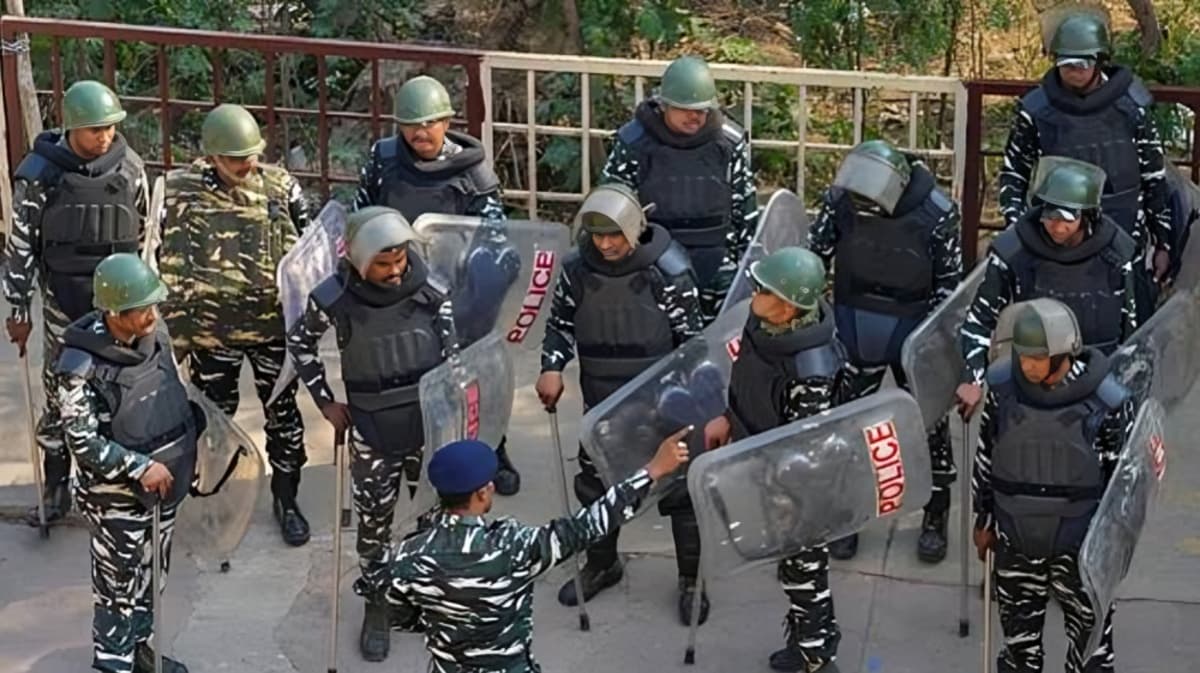
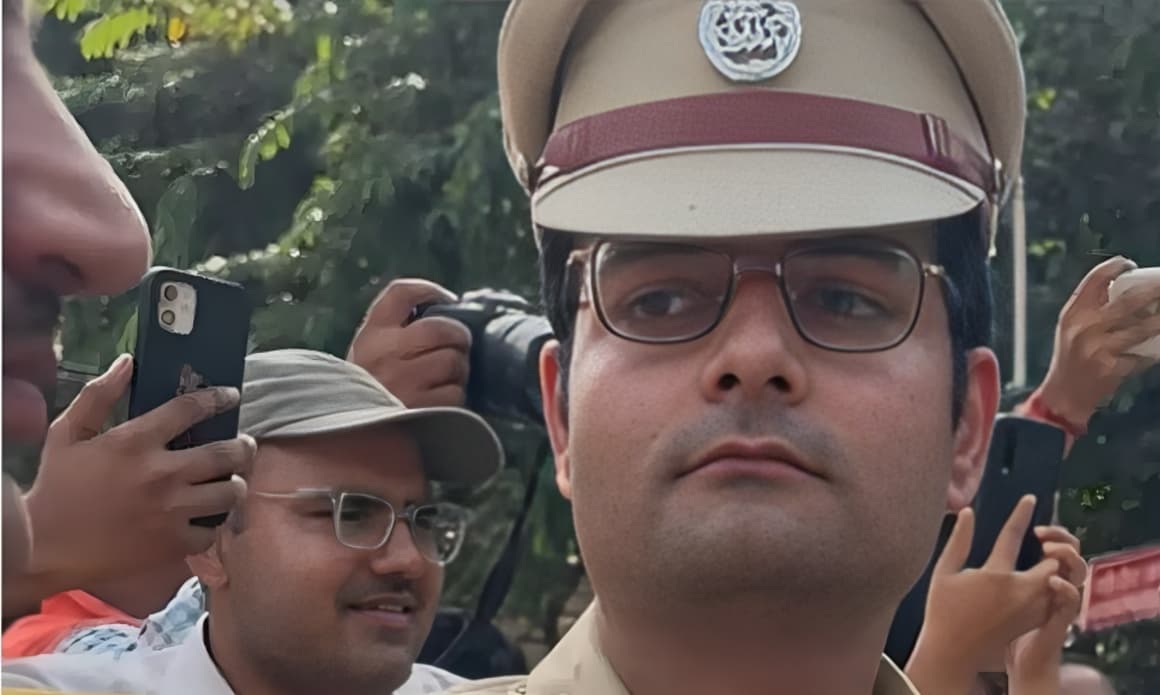
Despite this, a large group gathered at Jantar Mantar. Police and paramilitary personnel were deployed in the area, while barricades were put in place to manage the crowd. Several protesters were detained during the operation.
The police action became another point of discussion surrounding the protest. Authorities said the gathering at Jantar Mantar did not have the required permission, while the protesters proceeded with their demonstration at the location.
The protest also featured banners and slogans opposing the existing caste based reservation structure. The large turnout demonstrated that the issue continues to generate debate among sections of the public.
A continuing national debate
Reservation remains one of India's most politically and socially sensitive policy issues. Supporters argue that reservation remains necessary to address historical discrimination and structural inequality. Critics have called for reforms that would place greater emphasis on economic disadvantage, merit and the distribution of benefits among different groups.
The latest demonstration does not represent a consensus on the issue. Rather, it reflects the views of participants and organisations seeking substantial changes to the current framework.
Any major change to reservation policies would require consideration of constitutional provisions, existing legislation, judicial decisions and the social conditions of the communities covered by affirmative action.
The demand for economic criteria is also part of a wider discussion about how governments can ensure that welfare and educational support reaches economically disadvantaged citizens. However, economic disadvantage and caste based social disadvantage are distinct issues, and policymakers have historically treated them through different mechanisms.
The Jantar Mantar demonstration has therefore brought these competing perspectives back into public discussion. Protesters want the government to reconsider the present system, while the wider debate continues over how affirmative action can address both historical discrimination and contemporary economic inequality.
For now, the key development is that hundreds gathered in Delhi under the Reservation Hatao Andolan banner, raising demands for economic criteria, creamy layer provisions and a broader review of the existing reservation framework. Several protesters were detained after gathering at Jantar Mantar, where Delhi Police said no permission had been granted for the demonstration.