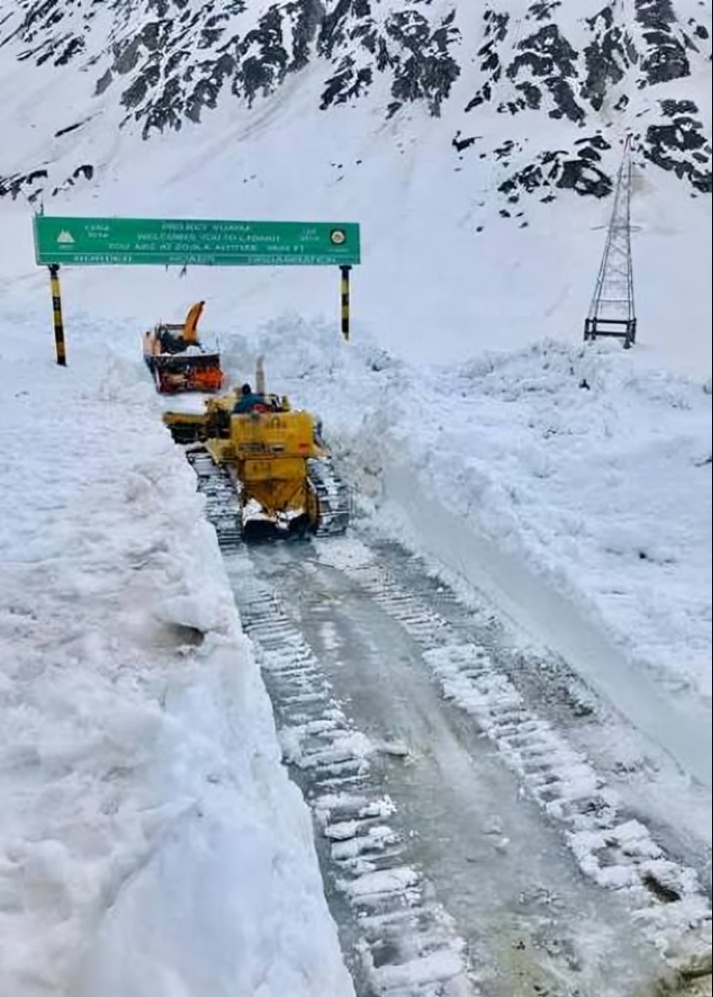
BRO Snow-Clearance Efforts at Zojila Pass Gain Importance After Fresh Snowfall
Fresh snowfall has covered Zojila Pass and several other high-altitude areas of Jammu and Kashmir, bringing a fresh spell of wintry weather to the region. The snowfall has renewed attention on road safety and the importance of maintaining connectivity along the Srinagar to Leh highway, one of the key road links between the Kashmir Valley and Ladakh.
Zojila Pass is located at an elevation of approximately 11,575 feet and serves as a vital mountain crossing on the Srinagar to Kargil and Leh route. The road is important for residents, transport operators, tourists and the movement of essential supplies. Because of its high altitude and exposure to severe weather, the route can experience sudden changes in road conditions during periods of snowfall.
Fresh Snowfall Changes Conditions in the Higher Reaches
Recent weather reports have confirmed fresh snowfall across several upper areas of Kashmir, including the Zojila axis, Gulmarg, Sonamarg and other mountain locations. Rain in the plains and falling temperatures have accompanied the unsettled weather.
The snowfall is associated with a western disturbance affecting the region. Such weather systems can bring precipitation, snowfall at higher elevations, gusty winds and a drop in temperatures. Conditions can change quickly in mountainous areas, making it important for road users to remain alert and follow official travel advisories.
While fresh snow can attract visitors to mountain destinations, it can also create challenges for people travelling through high-altitude passes. Snow accumulation, icy patches, reduced visibility and slippery surfaces may affect the movement of vehicles. The precise impact depends on the amount of snowfall, temperature, road conditions and the steps taken by the authorities.
BRO's Role in Maintaining Road Connectivity
The Border Roads Organisation, commonly known as BRO, is responsible for developing and maintaining several strategically important roads in difficult terrain. Its work includes snow-clearance operations on mountain routes affected by winter weather.
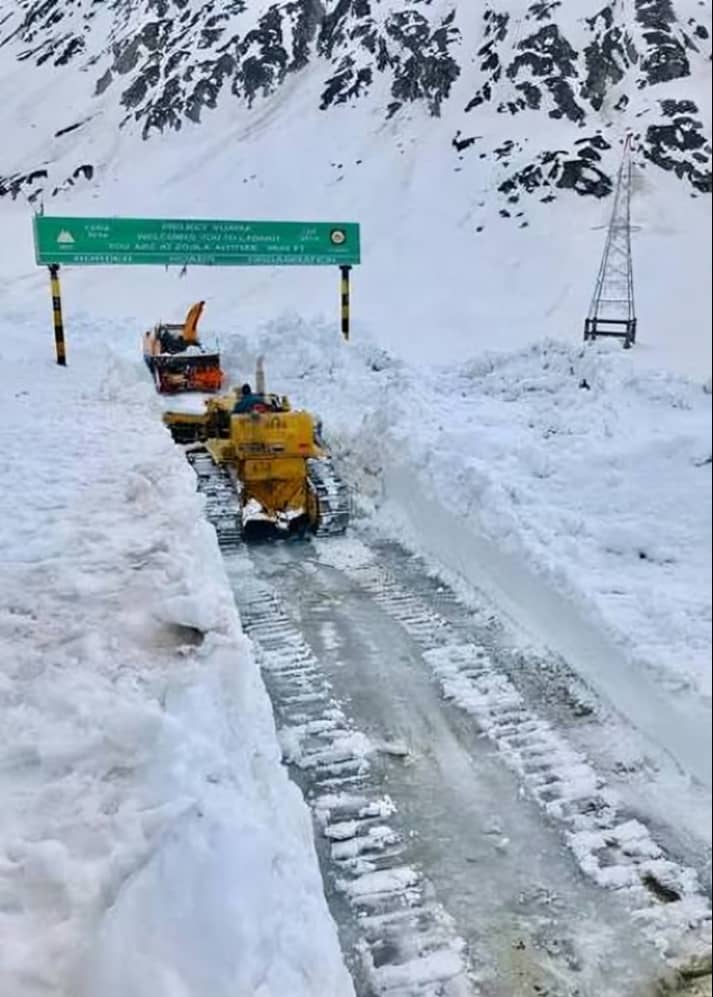
At Zojila Pass, snow clearance is particularly important because the road connects the Kashmir Valley with Ladakh through the Srinagar to Kargil and Leh highway. During periods of snowfall, BRO teams may use specialised machinery to remove accumulated snow and help restore safe passage when conditions permit.
Snow clearance in high-altitude terrain can be difficult. Personnel must work around low temperatures, steep slopes, limited visibility and the possibility of additional snowfall. In some locations, the risk of avalanches and unstable snow adds to the complexity of the operation. Clearance work must therefore be coordinated with road and traffic authorities before vehicles can safely proceed.
The timing of road reopening depends on the weather, the condition of the road surface and assessments by the agencies responsible for maintaining the route. The presence of snow-clearing machinery does not necessarily mean that the entire road is open to traffic. Travellers should rely on official announcements for the latest status.
Why Zojila Pass Is Important
Zojila Pass is a crucial transport link between the Kashmir Valley and Ladakh. The route supports the movement of people and goods and plays an important role in regional connectivity. It is used by local residents, commercial vehicles, tourism operators and other road users.
Any interruption to movement along the pass can affect travel plans and the transportation of supplies. During periods of severe weather, authorities may regulate vehicle movement or temporarily restrict traffic if road conditions are considered unsafe.
The pass is also a popular destination for visitors travelling through the Himalayan region. Fresh snowfall can create striking mountain scenery, but tourists should not assume that a snow-covered road is safe to use. Conditions can differ from one section of the highway to another, and a route that appears clear in one location may remain hazardous farther ahead.
Safety Advice for Motorists and Tourists
Motorists planning to travel through Zojila Pass should check current advisories from the relevant traffic police and local administration before departure. They should follow any restrictions on vehicle movement and avoid entering closed or restricted stretches.
Drivers should reduce speed in poor visibility, maintain a safe distance from other vehicles and avoid sudden braking on slippery surfaces. Vehicles should be in suitable condition for mountain travel, and drivers should follow any official instructions concerning snow chains or other safety equipment.
Tourists should also avoid stopping in unsafe locations to take photographs or view snowfall. They should follow instructions from traffic personnel and local officials, particularly where snow clearance is in progress.
Weather forecasts and road conditions can change rapidly in the mountains. Checking updates shortly before departure is more reliable than depending on an earlier report or a video recorded at a different time.
Official Updates Remain Important
Fresh snowfall at Zojila Pass highlights the continuing challenges of maintaining road connectivity in the Himalayan region as colder weather sets in. BRO's snow-clearance work is an important part of keeping strategic roads functional, but safe travel also depends on weather conditions and decisions made by the relevant authorities.
Travellers should confirm whether the route is open and whether any movement restrictions are in force before setting out. Until an official traffic update confirms the road status, motorists should avoid assuming that snow clearance has been completed or that unrestricted movement has resumed.
The situation at Zojila Pass demonstrates the importance of coordinated road maintenance, timely weather information and responsible travel during the snowfall season.