Senior Congress Member of Parliament Shashi Tharoor has found himself at the center of a political discussion following his remarks regarding the situation in Jammu and Kashmir. His statement that the region appears to be moving towards normalcy has drawn criticism from certain leaders within the Congress party, leading to a public debate on the issue.
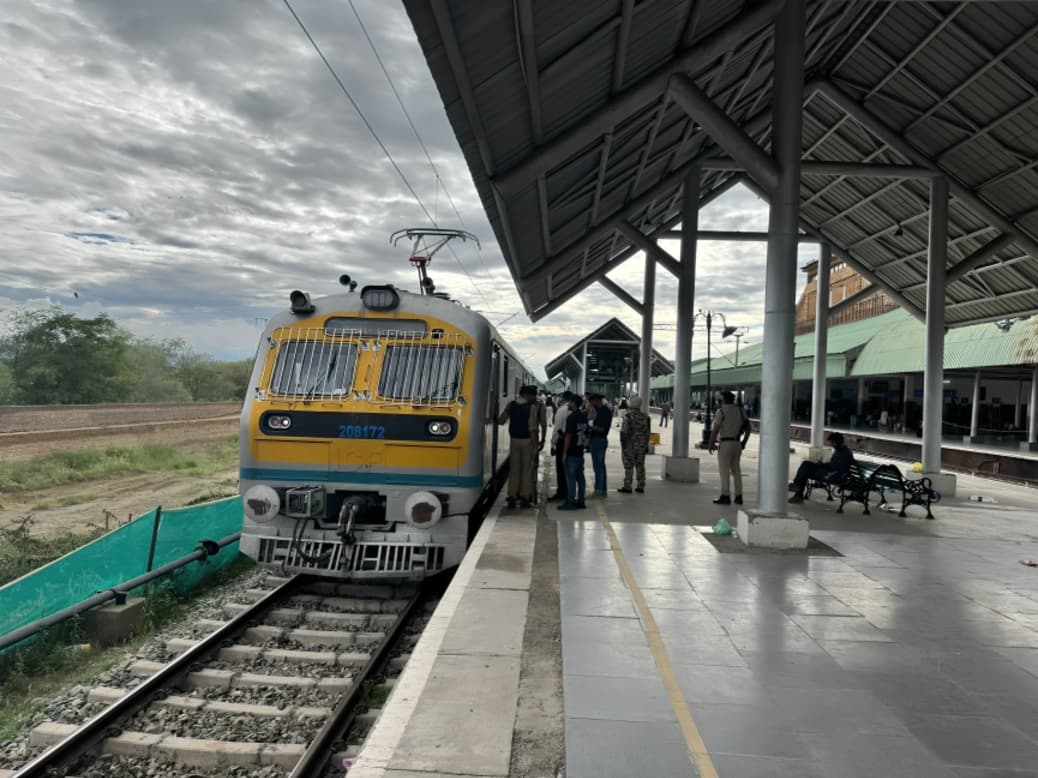
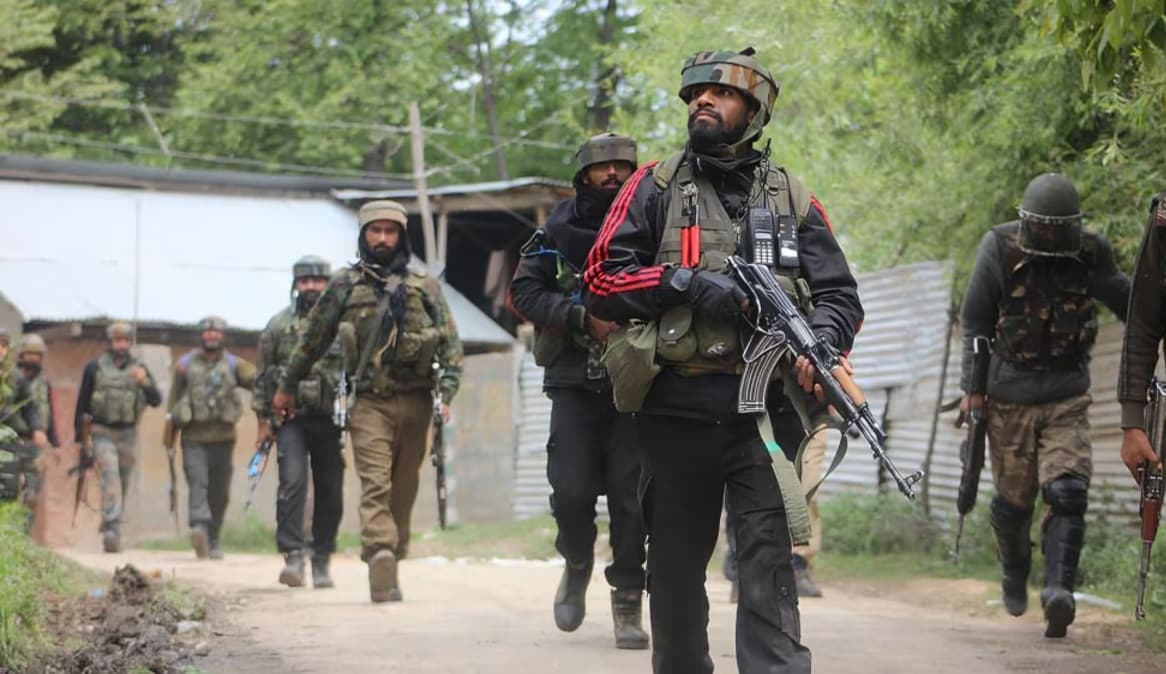
The remarks were made during a discussion concerning developments in Jammu and Kashmir, where Tharoor referred to improvements in certain areas and suggested that conditions in the Union Territory were showing signs of progress. His comments immediately attracted attention from political observers and party colleagues, some of whom disagreed with his assessment.
Several Congress leaders questioned the observations and argued that the situation in Jammu and Kashmir should be evaluated through a broader perspective that includes political representation, civil liberties, economic conditions and public concerns. They emphasized that while improvements in some sectors may be acknowledged, a comprehensive assessment requires consideration of multiple factors affecting residents of the region.
The differing viewpoints have highlighted the diversity of opinions within the Congress party on national and regional issues. Political parties often witness internal discussions on policy matters, and leaders may express individual perspectives based on their understanding of developments on the ground.
Shashi Tharoor, known for his active participation in parliamentary debates and policy discussions, has frequently commented on matters related to governance, foreign affairs and national development. His latest remarks have generated discussion not only within the Congress but also among political analysts and commentators.
Jammu and Kashmir remains a significant political and administrative issue in India. Since the reorganization of the former state into a Union Territory, the region has witnessed various initiatives related to infrastructure development, tourism, investment promotion and public services. At the same time, political parties continue to debate issues related to governance, democratic participation and long-term development.
Supporters of Tharoor's remarks argue that acknowledging positive developments does not necessarily imply that all challenges have been resolved. They contend that recognizing progress in areas such as infrastructure, tourism or public administration can coexist with discussions about remaining concerns and future policy requirements.
Critics, however, believe that any assessment of normalcy should take into account the broader political environment and public sentiment. They have called for continued attention to issues affecting local communities and stressed the importance of sustained dialogue on matters concerning the region.
Political analysts note that debates of this nature are common in democratic systems, where leaders may hold differing views on complex issues. Such discussions often contribute to broader public engagement and encourage examination of policy outcomes from multiple perspectives.
The controversy surrounding Tharoor's comments comes at a time when national political parties are increasingly focusing on regional issues and governance ahead of future electoral contests. Statements by senior leaders often attract significant public attention and can influence wider political discourse.
As discussions continue, Congress leaders are expected to clarify their positions on the matter while emphasizing the party's broader approach toward Jammu and Kashmir. The debate has once again brought national attention to developments in the region and the differing political interpretations surrounding them.