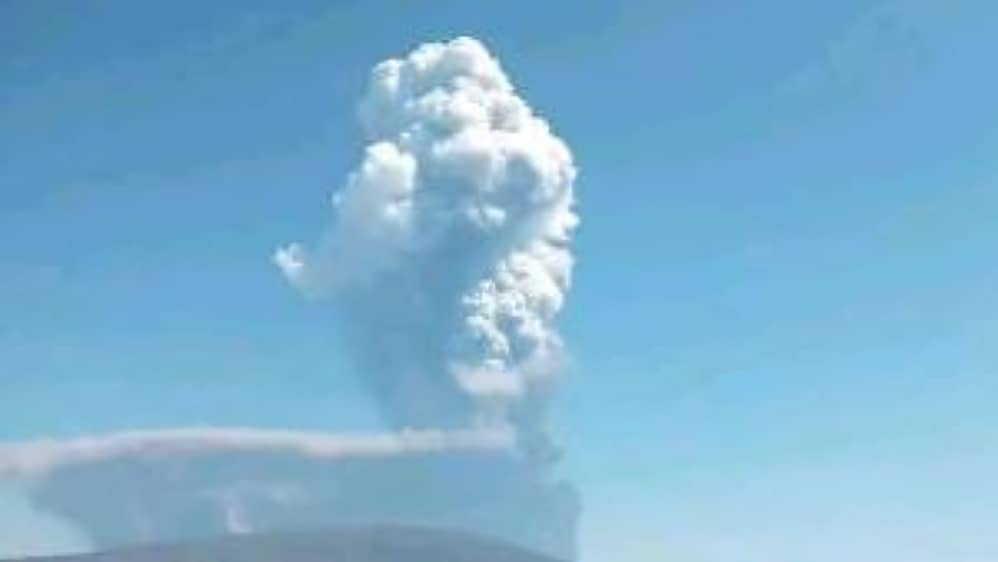
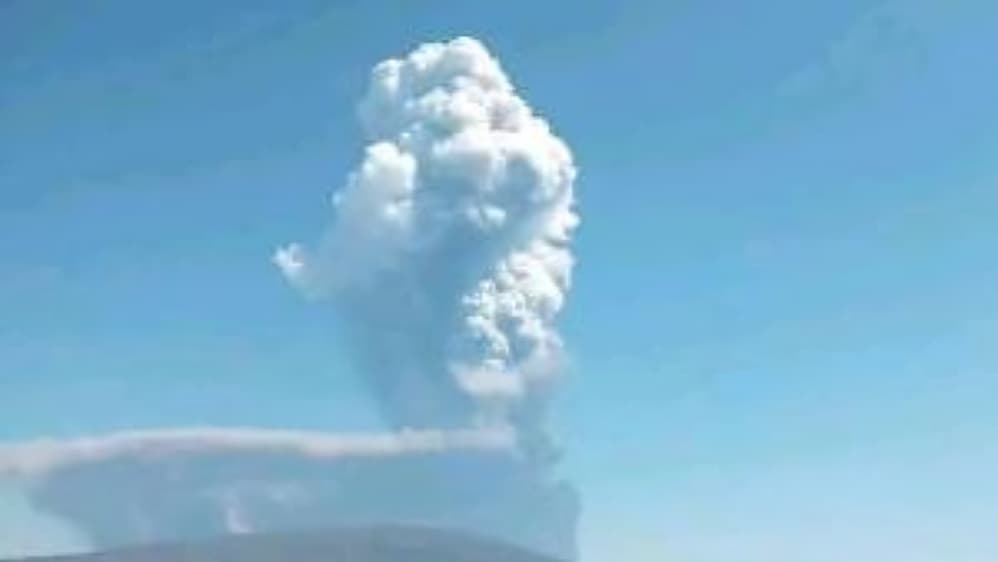
A volcano in Ethiopia erupted recently after lying dormant for nearly 12,000 years, prompting swift action from local authorities and international monitoring agencies. The eruption, characterized by streams of lava, volcanic ash, and smoke, has raised concerns for nearby communities and the surrounding environment. Emergency teams have been deployed to assist residents in evacuation and to ensure public safety.
The volcano, located in Ethiopia’s East African Rift region, had been inactive since prehistoric times, making the sudden eruption particularly notable for scientists and geologists. The East African Rift is known for its tectonic activity, with several active and dormant volcanoes stretching across Ethiopia, Kenya, and surrounding countries. Experts have been closely observing seismic activity in the region, and this eruption is seen as a significant geological event.
Local authorities have issued alerts advising residents to move away from the lava flows and areas affected by volcanic ash. Schools, roads, and villages in the immediate vicinity have been temporarily closed or evacuated. The government has mobilized emergency services, including firefighting units and medical teams, to provide assistance where needed. So far, there have been no confirmed fatalities or serious injuries, although officials continue to monitor the situation closely.
International volcanologists have been alerted and are working in coordination with Ethiopian authorities to study the eruption. Satellite imagery and ground observations are being used to track lava movement, ash clouds, and possible secondary hazards such as gas emissions and landslides. The data collected from this eruption will contribute to understanding volcanic behavior in regions that have been dormant for millennia.
The eruption also has broader implications for environmental and humanitarian preparedness. Volcanic ash can disrupt agriculture, contaminate water supplies, and affect air quality, posing risks to local communities. Authorities are distributing masks, clean drinking water, and food supplies to residents affected by ash fall. Relief organizations are on standby to provide additional support if the situation escalates.
Experts note that volcanoes in the East African Rift are part of a tectonic system that continues to slowly pull the continent apart. Such geological activity is natural, but eruptions in long-dormant volcanoes can be sudden and difficult to predict. This event underscores the importance of early-warning systems, community preparedness, and continuous scientific monitoring.
While the immediate focus remains on public safety and evacuation, researchers are eager to study the volcanic activity for insights into how dormant volcanoes react after long periods of inactivity. Understanding these patterns could improve predictive capabilities and disaster management strategies in similar regions worldwide.