
Nepal has reiterated its commitment to resolving its border dispute with India through bilateral diplomatic mechanisms and has clarified that it is not seeking mediation from any third country.
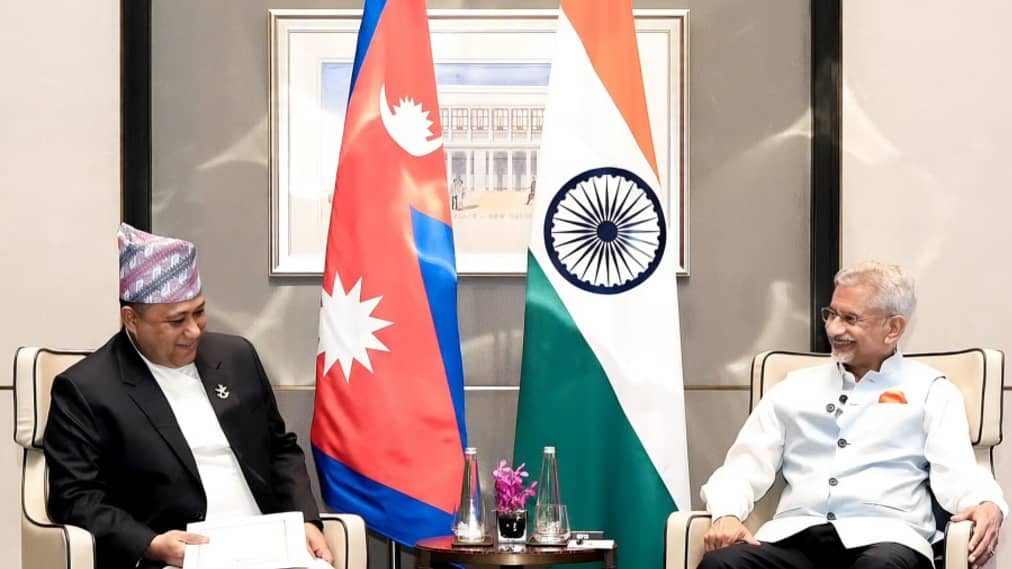
The clarification came from Nepal Foreign Minister Shisir Khanal during his visit to India. Addressing recent discussions surrounding comments made by Nepal Prime Minister Balendra Shah, Khanal explained that Nepal's intention was to seek access to historical records that may be available in the United Kingdom and not to invite external mediation in the longstanding border issue.
The remarks follow statements made by Prime Minister Shah last week in which he suggested that the United Kingdom could take an interest in matters related to the border dispute. The comments generated discussions in both countries and prompted responses from Indian officials, who reiterated that there is no role for third party mediation in issues concerning the India Nepal border.
Seeking to clarify Nepal's position, Khanal stated that the government remains committed to resolving all outstanding issues with India through existing diplomatic frameworks. According to him, historical evidence and archival documents could play an important role in understanding the background of the dispute and supporting future discussions between the two neighboring countries.
He explained that references to the United Kingdom were linked to the possibility of accessing historical records preserved in libraries, archives, and museums. Since both India and Nepal were influenced by historical agreements and maps from the colonial era, certain documents located outside the region may provide useful context for ongoing discussions.
Khanal emphasized that Nepal was not requesting mediation or intervention from any foreign government or international body. Instead, the focus remains on gathering historical material that may contribute to a better understanding of the issue while continuing diplomatic engagement with India.
India and Nepal share deep historical, cultural, economic, and people to people ties. The two countries maintain close diplomatic relations and regularly engage through bilateral mechanisms to address issues of mutual interest. Border matters have periodically featured in discussions between officials from both nations, with both sides expressing a willingness to engage through dialogue.
The border dispute has remained a sensitive subject for several years, involving differing interpretations of historical maps and territorial boundaries. Despite occasional differences, both countries have consistently stated their preference for peaceful discussions and diplomatic solutions.
Khanal's visit is significant because he is among the first senior ministers from Nepal to visit India under the administration led by Prime Minister Balendra Shah. The visit is expected to focus on strengthening bilateral cooperation in areas such as trade, connectivity, infrastructure development, energy cooperation, and regional engagement.
Observers believe the latest clarification is aimed at reducing misunderstandings and reaffirming Nepal's commitment to bilateral diplomacy. By emphasizing the importance of historical documentation while rejecting external mediation, Nepal has sought to underline its intention to address the border issue through direct engagement with India.
The development reflects the continued importance of diplomatic dialogue in managing complex regional issues and maintaining strong relations between the two neighboring countries.