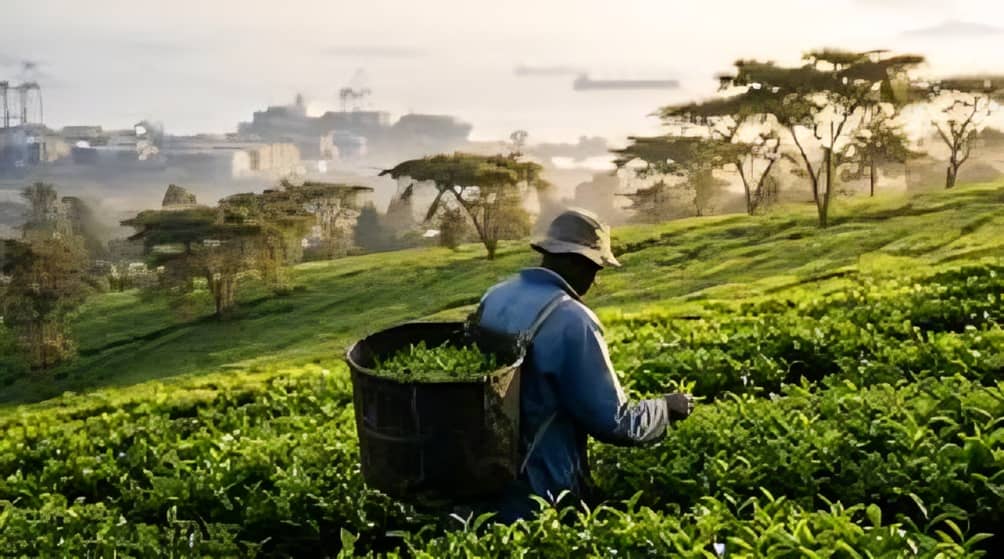

Kenya tea industry is facing significant disruption as the ongoing conflict in the Middle East continues to impact global trade routes and logistics. At the center of the crisis is Mombasa port, one of Africa busiest export hubs, where large quantities of tea shipments are currently stranded. Exporters and traders report growing concerns as supply chains slow down and storage facilities reach capacity.
The disruption has primarily affected shipments destined for Gulf countries, which account for a significant share of Kenya tea exports. Approximately 25 percent of Kenya tea is exported to the Middle East, while the majority is shipped to markets in Asia, Europe and other regions. However, the ongoing conflict has reduced demand and complicated shipping arrangements, leaving exporters with limited options.
Warehouses in Mombasa are now filled with tea that cannot be transported. According to exporters, several containers that were already at the port when the conflict escalated remain stuck. In some cases, buyers have either delayed or canceled shipments, forcing exporters to hold onto their stock. This situation has also led to operational challenges, with some processing units slowing down or halting activities due to a lack of storage space.
The financial impact of the disruption is becoming increasingly evident. Exporters who had already transported goods to the port are now required to retrieve them, which adds to operational expenses. Logistics costs have risen significantly, especially for domestic transportation. These additional costs are placing pressure on both exporters and farmers, who rely heavily on stable trade flows for income.
The Mombasa tea auction, known as the largest tea auction in the world, has also been affected. Under normal circumstances, the auction handles millions of kilograms of tea each week and records substantial trading volumes. However, current uncertainties have reduced participation, with fewer traders attending and placing bids. Market sentiment has become cautious, as buyers remain uncertain about future demand and pricing trends.
Industry stakeholders are expressing concern over the long term implications of the crisis. Many Middle Eastern countries are key consumers of Kenyan tea, and any prolonged disruption could reduce purchasing power and demand. This would not only affect exporters but also impact small scale farmers who depend on tea cultivation for their livelihoods.
Despite the geographical distance between the Middle East and Kenya tea growing regions, the effects of the conflict are being felt across the supply chain. Farmers, traders and exporters are all experiencing the consequences of delayed shipments and reduced demand.
Experts emphasize the need for a swift resolution to the conflict to restore normal trade conditions. A stable geopolitical environment is essential for maintaining supply chains and ensuring the sustainability of Kenya tea industry. Until then, stakeholders continue to monitor the situation closely, hoping for improvements that will allow exports to resume at normal levels.