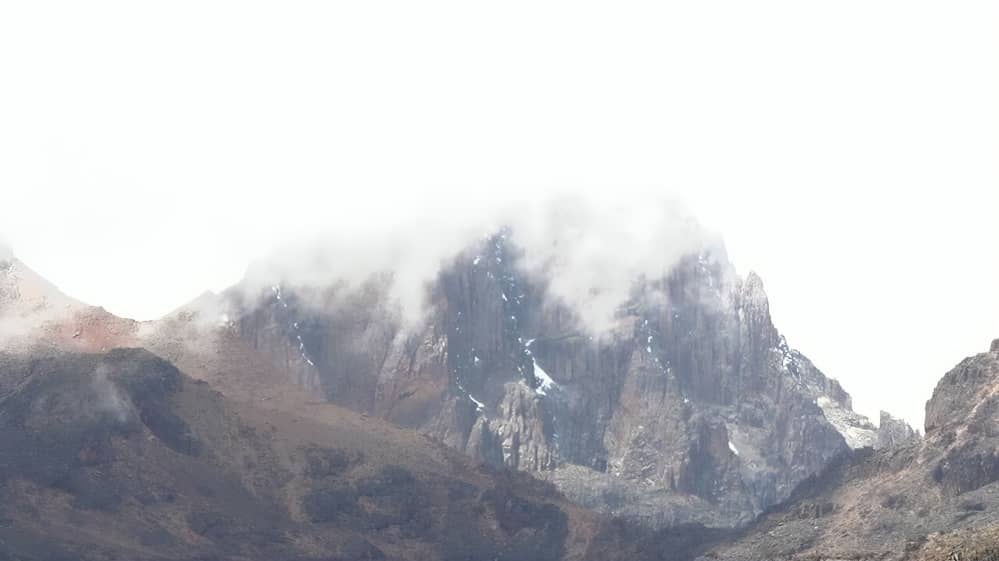
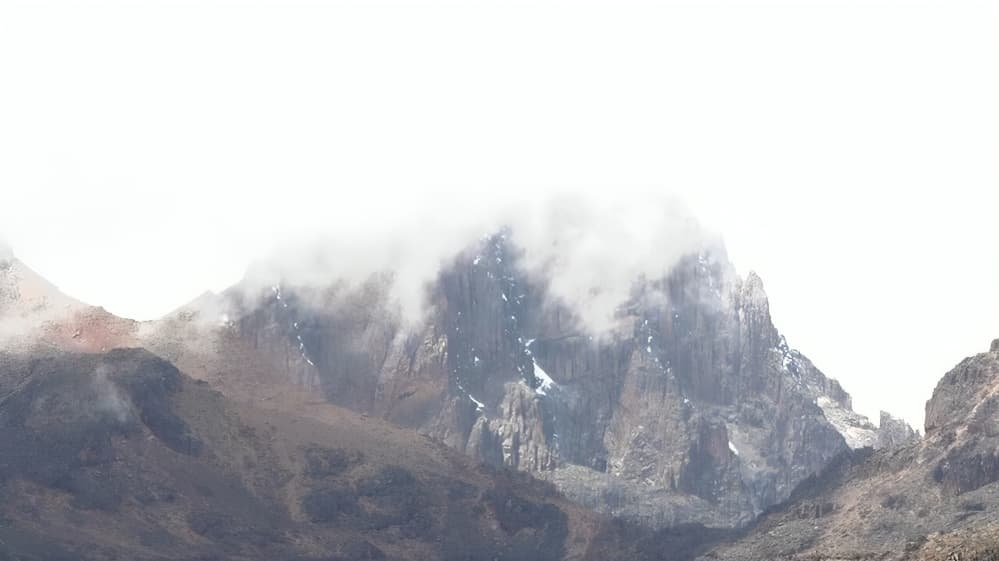
Glaciers on Mount Kenya are at risk of disappearing entirely by 2030 as a result of global warming, experts have warned. Scientists studying the region have observed a steady and rapid decline in the mountain’s ice cover over the past several decades, driven primarily by rising temperatures and shifting climate patterns.
Mount Kenya, Africa’s second-highest mountain, once hosted extensive glaciers that played a crucial role in regulating local climate and water systems. However, research indicates that these glaciers have shrunk dramatically since the early 20th century. Experts say that if current warming trends continue, the remaining ice could vanish within the next few years.
Climate scientists attribute the glacier loss to increased air temperatures, reduced snowfall, and prolonged dry periods. These factors limit the accumulation of new ice while accelerating melting. Satellite data and field observations have consistently shown a decline in both glacier thickness and surface area.
The disappearance of Mount Kenya’s glaciers could have serious environmental consequences. Glacial meltwater supports rivers and ecosystems in the surrounding regions, particularly during dry seasons. Reduced water availability may affect agriculture, wildlife habitats, and communities that rely on consistent water flows.
Researchers also point out that glaciers serve as sensitive indicators of climate change. Their rapid retreat on Mount Kenya reflects broader global trends, with mountain glaciers across Africa, Asia, Europe, and the Americas experiencing similar declines. The situation on Mount Kenya mirrors the loss of glaciers on Mount Kilimanjaro and the Rwenzori Mountains.
The potential loss of glaciers could also impact tourism in the region. Mount Kenya is a UNESCO World Heritage Site and a popular destination for climbers and nature enthusiasts. The shrinking ice cover may alter the mountain’s landscape and affect its appeal to visitors.
Experts stress that while local adaptation measures can help communities manage water resources, addressing the root cause of glacier loss requires global action. Reducing greenhouse gas emissions, transitioning to cleaner energy sources, and strengthening climate policies are seen as essential steps to slow global warming.
The warning about Mount Kenya’s glaciers highlights the urgency of climate action at both national and international levels. Scientists caution that without immediate and sustained efforts to limit temperature rise, the loss of glaciers in tropical mountain regions could become irreversible, with long-term consequences for ecosystems and human livelihoods.