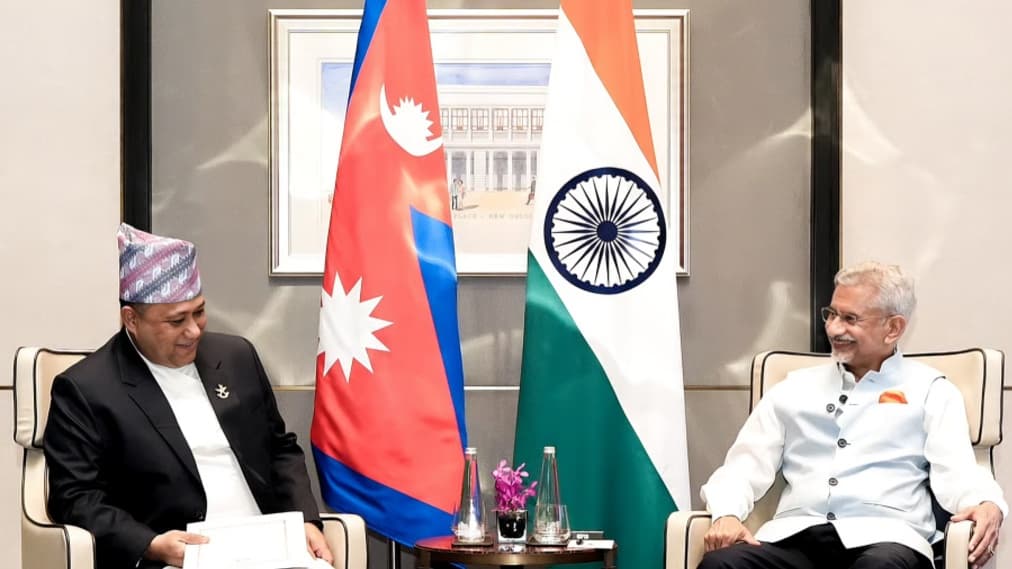
South Africa is hosting its first-ever G20 summit, a historic event for the African continent and the global economic forum. The gathering brings together leaders from the world’s largest economies, including the United States, China, India, Germany, Brazil, and Japan. The summit is expected to address pressing global challenges such as economic growth, climate change, energy security, and international cooperation on financial stability.
The South African government has emphasized that hosting the summit is a milestone for the country’s international standing and a demonstration of its capacity to facilitate global dialogue. Officials have been working for months to ensure security, logistics, and protocol are managed effectively to welcome world leaders and delegations. The summit also includes discussions on trade, digital innovation, and equitable access to vaccines and healthcare resources.
Amid preparations, former US President Donald Trump announced that he will not attend the summit, citing political disagreements and criticisms of current administration policies. While Trump’s absence marks a notable deviation from previous US participation in G20 summits, the United States is still represented by senior officials who will engage in discussions. Analysts suggest that his decision underscores ongoing political polarization and the evolving role of former leaders in international diplomacy.
Other major G20 members are actively participating in the summit, including India, China, Germany, Brazil, and Japan. The summit’s agenda includes strategies to stimulate global economic recovery after recent challenges caused by the COVID-19 pandemic, supply chain disruptions, and geopolitical tensions. Climate change mitigation and sustainable development goals remain key priorities, with South Africa advocating for increased investment in renewable energy and infrastructure in developing economies.
South African President Cyril Ramaphosa highlighted the summit’s potential to strengthen multilateral cooperation and position Africa as a key player in global economic policy. “This summit represents not only a chance for dialogue but also an opportunity for Africa to demonstrate its role in shaping global solutions,” Ramaphosa stated. Delegates will participate in high-level meetings, roundtable discussions, and forums focused on youth, digital technology, and sustainable finance.
Security and logistical arrangements have been a major focus, given the scale of the summit and the presence of multiple world leaders. Authorities have implemented stringent measures to ensure smooth proceedings and minimize disruptions. Additionally, media coverage is extensive, with international outlets closely monitoring outcomes and statements from participating leaders.
The summit’s outcomes are expected to influence global economic policies, trade agreements, and climate strategies in the coming years. Analysts are particularly interested in agreements on renewable energy financing, infrastructure development in emerging markets, and coordinated responses to inflationary pressures. The historic nature of the event, combined with the participation of diverse economies, makes this G20 summit a defining moment for South Africa and global diplomacy.