24 Ships Reportedly Hit Near Strait of Hormuz as Oil Shipments Fall Sharply
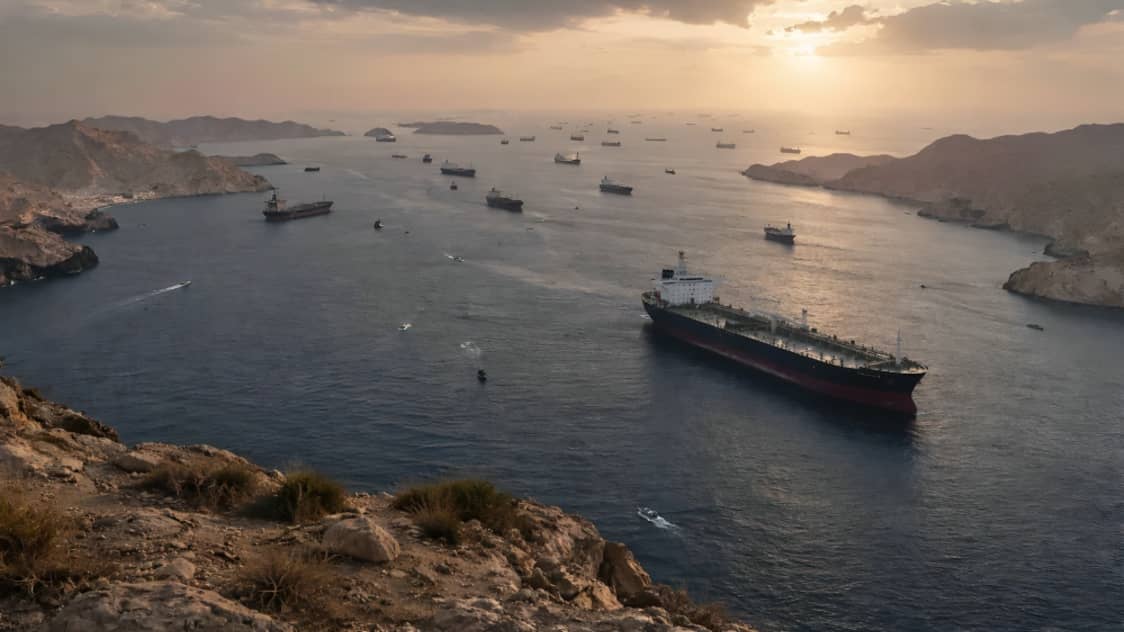
The security situation around the Strait of Hormuz has deteriorated amid the continuing conflict involving Iran, the United States and Israel, with attacks on commercial vessels disrupting one of the world's most important energy transport routes. At least 24 ships were reportedly hit in the two weeks leading up to October 11, according to data compiled by the Financial Times from maritime incident reports and European security sources.
The reported incidents involved oil tankers, refined petroleum product carriers and other commercial vessels operating in and around the strategic waterway. The attacks have increased concerns among shipowners and energy traders, while a sharp decline in oil shipments has added uncertainty to international energy markets.
According to the Financial Times report published on October 13, six vessels were targeted on October 11 alone. The incidents included attacks involving crude oil tankers associated with Chinese and South Korean shipping interests, as well as an Indian container ship. Several seafarers were injured in recent incidents, and two Indian crew members were reported missing from one of the affected tankers.
The attacks have prompted renewed questions about the safety of commercial shipping, the effectiveness of maritime security arrangements and the potential consequences for countries that depend on energy supplies transported through the Gulf.
Why the Strait of Hormuz Is So Important
The Strait of Hormuz connects the Persian Gulf with the Gulf of Oman and the Arabian Sea. It lies between Iran and Oman and serves as a major export route for oil and natural gas produced by countries across the Gulf region.
Before the current conflict began in February 2026, the waterway carried a substantial share of global petroleum shipments. Approximately one-fifth of worldwide oil and liquefied natural gas trade normally passes through the strait, making it critical to international energy security.
Major oil-producing countries, including Saudi Arabia, Iraq, Kuwait, the United Arab Emirates and Qatar, depend on maritime routes in the region to supply international markets. Disruptions can therefore affect not only Gulf producers but also energy-importing economies across Asia, Europe and other regions.
The narrow geography of the passage makes it particularly sensitive to military escalation. When commercial operators face a greater risk of attack, some vessels may delay departures, change routes or avoid the region altogether.
These decisions can reduce the volume of cargo moving through the waterway even when it has not been formally closed. The resulting uncertainty can affect oil prices, freight rates, insurance premiums and delivery schedules.
Twenty-Four Vessels Reportedly Hit in Two Weeks
The Financial Times reported that 24 ships had been hit during the two weeks leading up to October 11. Its analysis drew on incident reports from the United Kingdom Maritime Trade Operations organisation and European security sources.
The report described the period as the most intense wave of attacks on shipping since the start of the conflict. On October 11, six vessels were reportedly targeted, including tankers carrying crude oil or refined petroleum products and a container ship.
The United Kingdom Maritime Trade Operations organisation, known as UKMTO, has issued multiple warnings concerning vessels struck by unidentified projectiles in and around the Strait of Hormuz. Its incident notices frequently state that authorities are investigating and advise ships to proceed with caution.
Not every reported incident has had its responsibility publicly established. Therefore, the number of vessels hit should be distinguished from the number of attacks conclusively attributed to a particular military force.
Nevertheless, the growing number of incidents has raised serious concerns for commercial operators. Tankers and cargo ships can suffer fires, structural damage, machinery failures and risks to their crews when struck by projectiles.
Even when an incident causes no immediate casualties, the possibility of further attacks can influence decisions about whether a vessel should enter or leave the Gulf.
Oil Shipments Fall Sharply
The attacks have coincided with a significant reduction in oil volumes moving through the Strait of Hormuz.
According to figures from commodities data provider Kpler cited by the Financial Times, oil flows through the waterway reached approximately 15.5 million barrels per day in September. On October 11, the reported volume had fallen to around 2.9 million barrels per day.
The figures illustrate the extent of the disruption during the reported period. However, they represent specific measurements and should not be interpreted as a permanent reduction or as a statement of the current daily flow.
The decline reflects the difficulties facing shipowners, exporters and energy traders as security risks increase. Vessels may remain anchored while operators assess conditions, and cargoes may be delayed or redirected when routes become more dangerous.
Some oil exports can be moved through alternative infrastructure, including pipelines that bypass the strait. Saudi Arabia's East-West pipeline, for example, transports crude oil towards Red Sea export terminals. However, alternative routes cannot necessarily replace all the capacity normally available through Hormuz.
Ship-to-ship transfers and other logistical arrangements may also help some cargoes reach international markets, but these operations can add time, expense and complexity.
The extent to which exporters can maintain shipments will depend on available infrastructure, shipping capacity, the security environment and the duration of the conflict.
Impact on Oil Prices and the Global Economy
Any sustained disruption to the Strait of Hormuz can affect international oil markets because traders must account for the possibility of reduced supply and higher transportation costs.
When vessels face elevated security risks, shipowners may demand higher freight rates to cover additional operating expenses. Marine insurers may also raise premiums for voyages through high-risk areas, increasing the overall cost of transporting crude oil and refined products.
These additional costs can influence prices paid by refineries and other buyers. If the disruption continues, the consequences may extend to petrol, diesel, aviation fuel and other petroleum-based products.
For India, the developments are particularly relevant because the country imports a large share of its crude oil requirements. Higher international oil prices can increase the cost of imports and place pressure on the trade balance. The effect on domestic fuel prices, however, also depends on exchange rates, taxes, government policy and decisions by fuel retailers.
The broader economic impact will depend on how long shipments remain disrupted and whether oil producers can use alternative export routes to compensate for reduced traffic through Hormuz.
Shipping Companies Face Difficult Decisions
The rise in reported attacks has forced shipping companies to reassess the risks of operating in the region. Operators must weigh the commercial value of completing a voyage against potential damage to vessels, threats to crew members, higher insurance expenses and delays.
Some companies may choose to postpone voyages or seek alternative arrangements. Rerouting can reduce exposure to certain dangers, but longer journeys may require additional fuel and extend delivery times.
These decisions can also affect the availability of ships worldwide. When tankers spend more time completing journeys or waiting for safe passage, fewer vessels are available to transport other cargoes. This can push freight rates higher even on routes outside the immediate conflict zone.
Crew safety remains a major concern. Attacks can result in injuries, missing seafarers, fires and emergency evacuations. Maritime authorities have therefore continued issuing safety warnings and encouraging vessels to report suspicious activity.
What Happens Next?
The future of shipping through the Strait of Hormuz will depend on developments in the conflict, the frequency of further attacks and the responses of regional and international governments.
Naval patrols, security coordination and diplomatic efforts may help reduce risks, but the safety of commercial vessels cannot be guaranteed while hostilities continue. A sustained reduction in shipping could place additional pressure on energy markets and complicate efforts by oil-producing countries to maintain export volumes.
For now, the reported attacks on 24 vessels and the sharp decline in oil flows recorded on October 11 underline the vulnerability of this crucial maritime corridor. Further verified incident reports and updated shipping data will be needed to determine whether the disruption deepens or commercial traffic begins to recover.
The situation remains fluid, and claims about responsibility for individual attacks should be assessed against official maritime reports and independently verified information.