Panama Declares National Emergency After 7.7-Magnitude Earthquake; Over 200 Aftershocks Recorded
Panama has recorded more than 200 aftershocks following a powerful 7.7-magnitude earthquake that struck on October 9, 2026. The continuing seismic activity has raised concerns about the safety of affected communities, while damage to homes, roads and bridges has prompted the government to declare a national state of emergency.
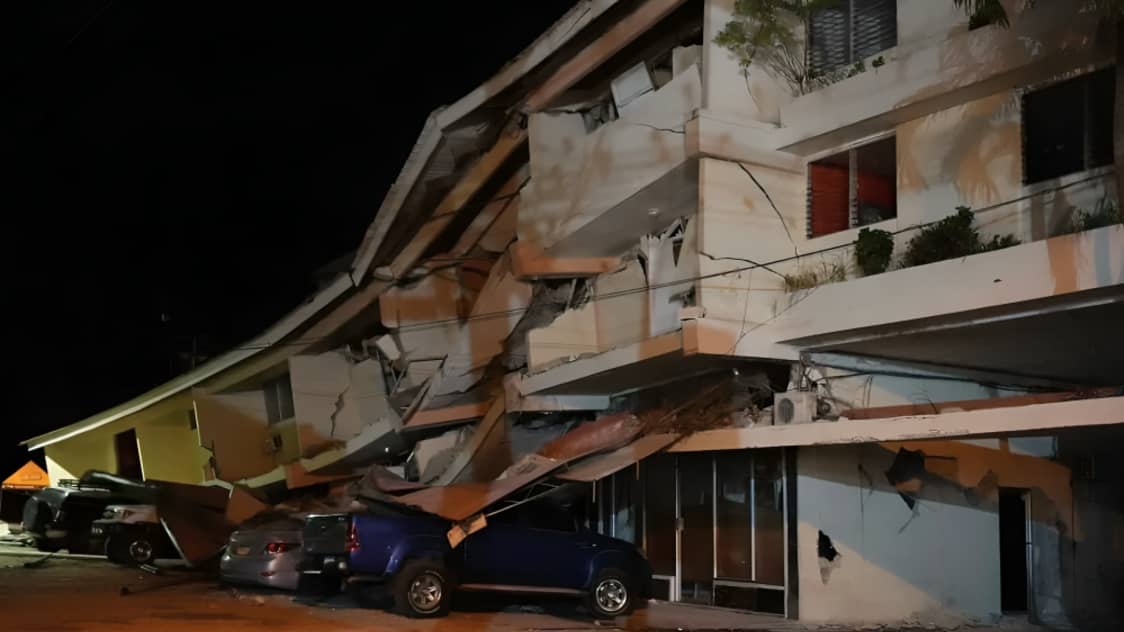
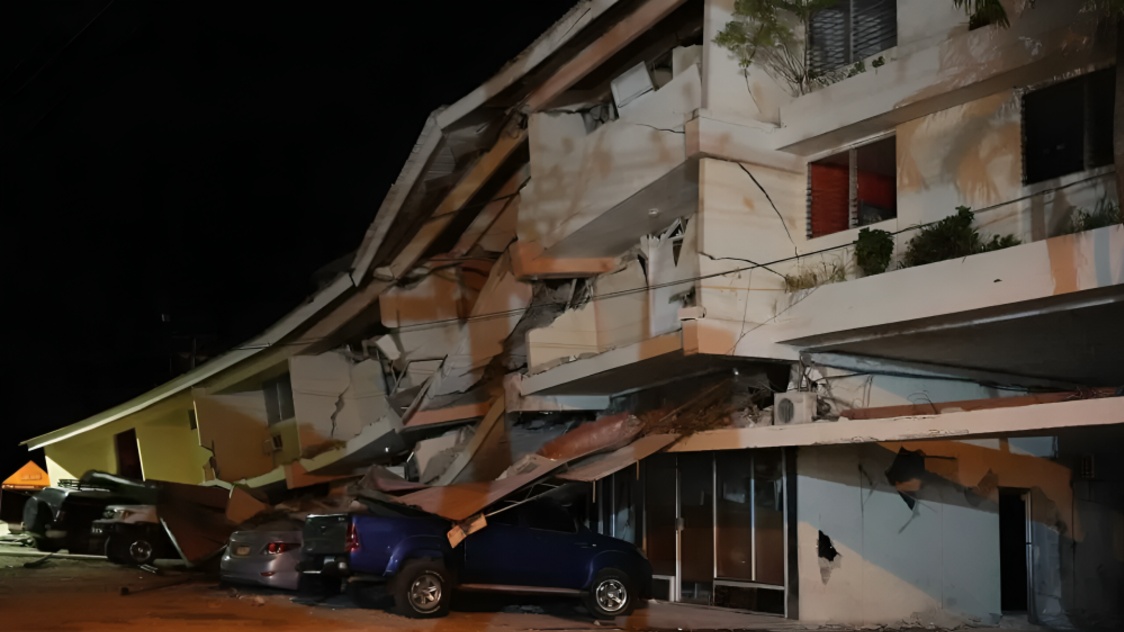
According to emergency authorities, at least 27 people were injured and nearly 900 homes were damaged. No deaths had been reported in the latest available update. Officials cautioned that the damage figures could increase as assessment teams reach remote communities and inspect buildings and infrastructure.
The earthquake affected several central provinces, including Veraguas, Herrera, Coclé and Los Santos. Residents reported strong shaking, and people in buildings in Panama City evacuated as the tremors were felt across the country.
More than 200 aftershocks recorded
Nestor Luke, director of the University of Panama’s Institute of Geosciences, told Reuters that more than 200 aftershocks had been recorded following the main earthquake. He said the aftershocks were continuing, but their magnitudes were decreasing and the intervals between them were becoming longer.
Aftershocks are smaller earthquakes that occur after a larger seismic event as the Earth’s crust adjusts to changes in stress. They can still damage buildings weakened by the original earthquake, making it important for residents to follow safety advice and avoid entering structures that have been declared unsafe.
Authorities continue to monitor seismic activity and assess the condition of homes and public facilities. The number and strength of aftershocks may change, and officials have not indicated that the risk has completely ended.
Nearly 900 homes and infrastructure affected
The earthquake damaged homes and public infrastructure in several parts of Panama. Emergency officials reported damage to nearly 900 homes, although the final figure may change as inspections continue.
Bridges and roads were among the affected infrastructure. At least 14 bridges were reported damaged in the provinces of Veraguas and Los Santos. The damage has complicated efforts to reach some communities and deliver assistance, making urgent repairs a priority for the government.
President José Raúl Mulino visited affected areas to coordinate the response and deliver aid. He called for urgent repairs to roads and bridges to help emergency teams reach residents and transport essential supplies.
Officials are also checking buildings and other facilities to determine whether they can safely remain in use. Local assessments are particularly important in remote areas, where damage may take longer to document and where access can be limited by damaged transport routes.
National emergency declaration and relief funding
The Panamanian government declared a national state of emergency over the weekend following the earthquake. The measure is intended to speed up relief operations and allow additional public funding to be directed towards affected communities.
According to the country’s economy ministry, the emergency declaration will allow the government to allocate up to 100 million US dollars for relief without exceeding its 2026 fiscal deficit target of 3.5 per cent of gross domestic product.
The funds can support emergency assistance, infrastructure repairs and other measures required in the aftermath of the disaster. Authorities are expected to prioritise immediate needs while continuing to establish the full extent of the damage.
The United States has pledged 5 million US dollars in assistance and announced that a 20-member team would help with rescue operations and infrastructure assessments. The support is intended to assist Panama as it responds to the impact of the earthquake and evaluates damage to affected communities.
Schools suspended as authorities assess damage
Panama’s education authorities announced the suspension of classes nationwide on Monday, October 12, as a precaution following the earthquake and continuing aftershocks. The decision allows authorities to consider safety concerns and assess school buildings before normal activities resume.
Officials are also working to ensure that residents in affected areas receive the assistance they need. Rescue and assessment teams must account for damaged homes, transport links and other facilities while identifying locations where people may need temporary support.
Although the earthquake caused disruption, the Panama Canal Authority reported that shipping operations through the canal remained unaffected. The canal is a major international trade route connecting the Atlantic and Pacific oceans, and its continued operation is significant for global shipping.
Authorities urge caution as aftershocks continue
The latest earthquake has highlighted the need for continued monitoring and careful damage assessment. Even when the main tremor has passed, aftershocks can pose risks to damaged buildings, roads and bridges. Residents are therefore advised to follow instructions from local authorities and avoid entering structures that may be unstable.
Officials continue to gather information from affected communities, and reported figures could change as more inspections are completed. The immediate priorities include helping injured people, providing relief, identifying unsafe buildings and restoring access to communities affected by damaged infrastructure.
The absence of reported deaths in the latest update is encouraging, but the scale of property damage and the continuing aftershocks mean the emergency response remains important. Authorities will need to assess the safety of public buildings and transport links before affected areas can fully return to normal.
Panama’s government is now focused on delivering assistance, coordinating international support and repairing essential infrastructure. Further updates are expected as officials establish the final damage figures and determine the work required to help communities recover.