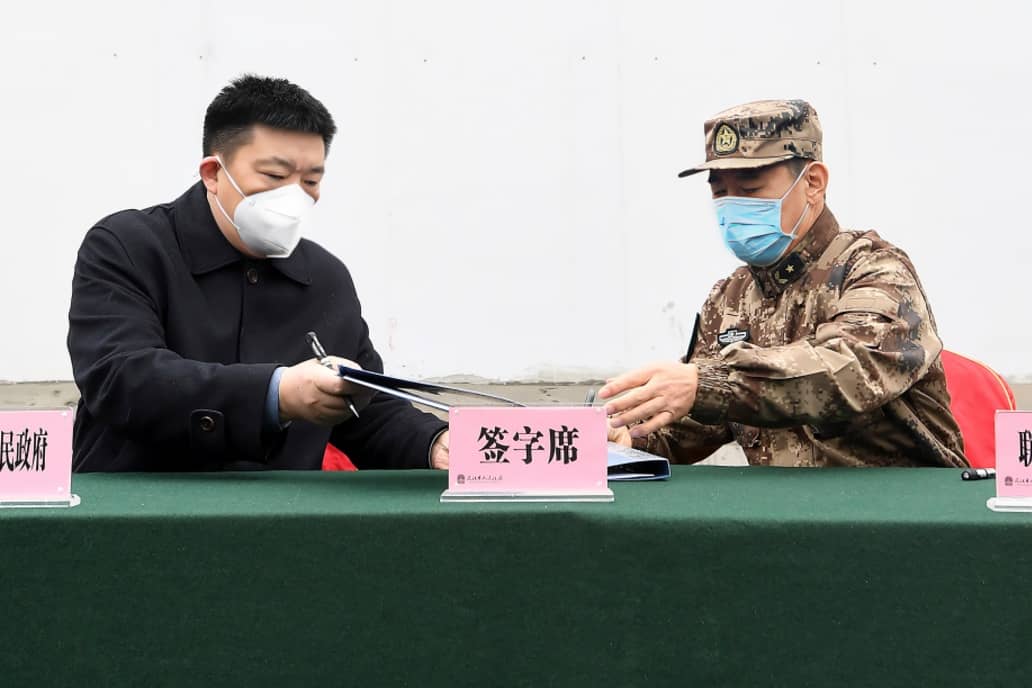
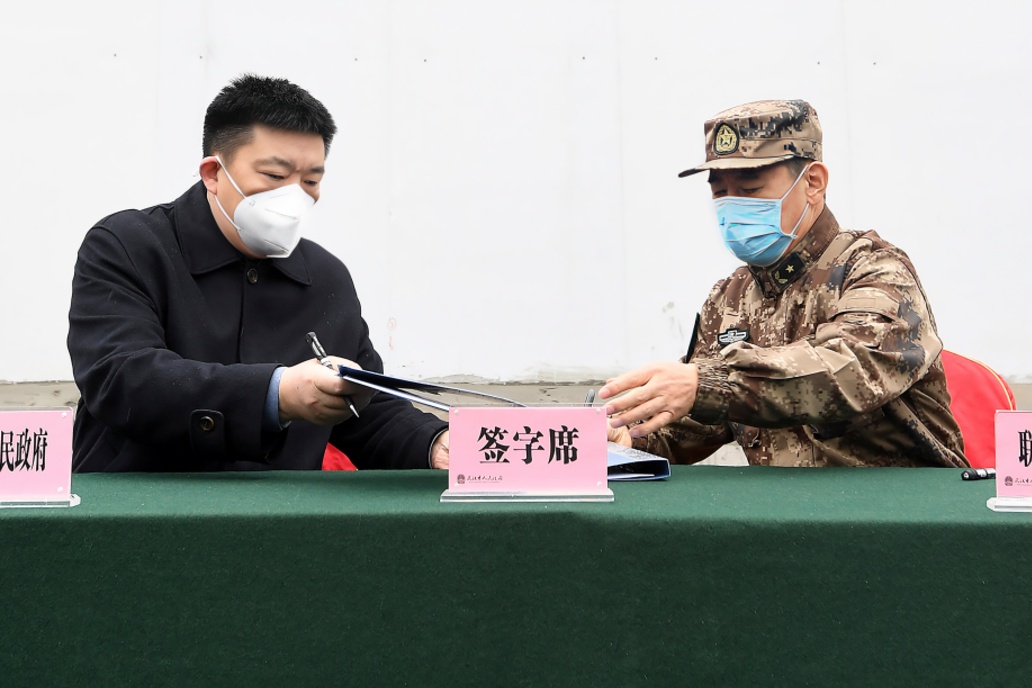
Former Wuhan Mayor Zhou Xianwang Jailed for 14 Years in $9 Million Bribery Case
A Chinese court has sentenced Zhou Xianwang, the former mayor of Wuhan, to 14 years in prison after convicting him of accepting bribes worth more than 60.5 million yuan, equivalent to approximately 9 million US dollars. The court also imposed a fine of 5 million yuan, marking another high-profile case in China’s ongoing anti-corruption campaign.
The verdict was delivered by the Shangqiu Intermediate People’s Court in Henan province on October 10, 2026. According to the court, Zhou accepted money and valuables in exchange for using his official positions to assist individuals and businesses with commercial activities, project contracts and administrative approvals.
The case has drawn international attention because Zhou previously served as mayor of Wuhan, the central Chinese city that became the focus of worldwide attention during the early stages of the COVID-19 pandemic in late 2019 and early 2020.
Court Details Bribery Allegations
The court said Zhou used several official positions held between 2003 and 2025 to provide assistance to companies and individuals. The positions included senior roles in Hubei province, such as party secretary of Huangshi, mayor of Wuhan and vice-governor of Hubei.
According to the judgment, Zhou received cash and other valuable items worth more than 60.5 million yuan. The court described the amount involved as exceptionally large and found him guilty of bribery.
The fine of 5 million yuan was imposed in addition to the prison sentence. The ruling also stated that most of the illicit proceeds had been recovered and that any remaining amount would continue to be pursued in accordance with the court’s decision.
The case highlights the Chinese authorities’ scrutiny of public officials accused of using their positions for personal benefit. The allegations covered a period spanning more than two decades, during which Zhou held several roles in local and provincial administration.
Why Zhou’s Sentence Was Reduced
The court indicated that Zhou’s sentence was reduced after considering factors including his confession, cooperation with investigators and the recovery of most of the proceeds linked to the bribery case.
Such considerations formed part of the court’s explanation of the punishment. They do not change the conviction itself, but they were taken into account when determining the final sentence.
The ruling sends another signal that corruption cases involving senior officials remain a priority for China’s judicial and disciplinary authorities. The country has pursued a wide-ranging anti-corruption drive under President Xi Jinping, who came to power in 2012.
Over the years, the campaign has resulted in investigations and prosecutions involving officials at various levels of government. Chinese authorities have presented the campaign as an effort to combat corruption and strengthen discipline within the public administration and the ruling Communist Party.
Zhou’s Role During the Early COVID-19 Outbreak
Zhou Xianwang is also known internationally for his role as Wuhan’s mayor during the initial phase of the COVID-19 outbreak. Wuhan became the centre of global attention after cases of a previously unidentified coronavirus were detected there in late 2019.
The city’s response and the timing of public disclosures about the outbreak became subjects of criticism and debate. Zhou faced questions over the handling of information during the early days of the health emergency. At the time, he said local governments were restricted from releasing information about infectious diseases without authorisation from higher-level authorities.
Wuhan was placed under a strict lockdown on January 23, 2020, as infections spread. The restrictions lasted 76 days and affected millions of residents, while the outbreak eventually developed into a global pandemic.
However, Zhou’s latest prison sentence is connected to the bribery case. The court’s public statement focused on the acceptance of money and valuables and the assistance he provided through his official positions. It did not identify his handling of the COVID-19 outbreak as a basis for the conviction or punishment.
This distinction is important when assessing the significance of the verdict. Although his pandemic-era role has contributed to public interest in the case, the legal findings announced by the court concern corruption.
China’s Continuing Anti-Corruption Campaign
The sentence comes amid China’s continued efforts to investigate and prosecute officials accused of corruption. The campaign has affected local administrators, provincial officials and senior political figures.
Cases involving public officials often focus on alleged payments, valuable gifts, business arrangements and the misuse of administrative authority. In Zhou’s case, the court said the benefits he provided included assistance with business operations, project contracting and administrative approvals.
The scale of the amount cited in the judgment makes the case particularly significant. More than 60.5 million yuan in illicit payments and valuables were identified by the court, while the additional fine and prison term established the penalties imposed.
The proceedings also illustrate how investigations can examine conduct over extended periods and across several government positions. Zhou’s alleged activities covered the years from 2003 to 2025, according to the court’s account.
What Happens Next
Following the verdict, the key details of the case are the 14-year prison sentence, the 5 million yuan fine and the court’s findings concerning the bribes received while Zhou held official positions.
The ruling adds to a series of high-profile corruption cases in China and reinforces the authorities’ public emphasis on accountability among government officials. At the same time, Zhou’s association with Wuhan’s early pandemic response means the case is likely to remain a subject of international interest.
For readers following the story, the central point is that Zhou was sentenced for bribery involving more than 60.5 million yuan. His past role in the COVID-19 response provides background to his public profile, but it should not be confused with the charges addressed in the court’s ruling.