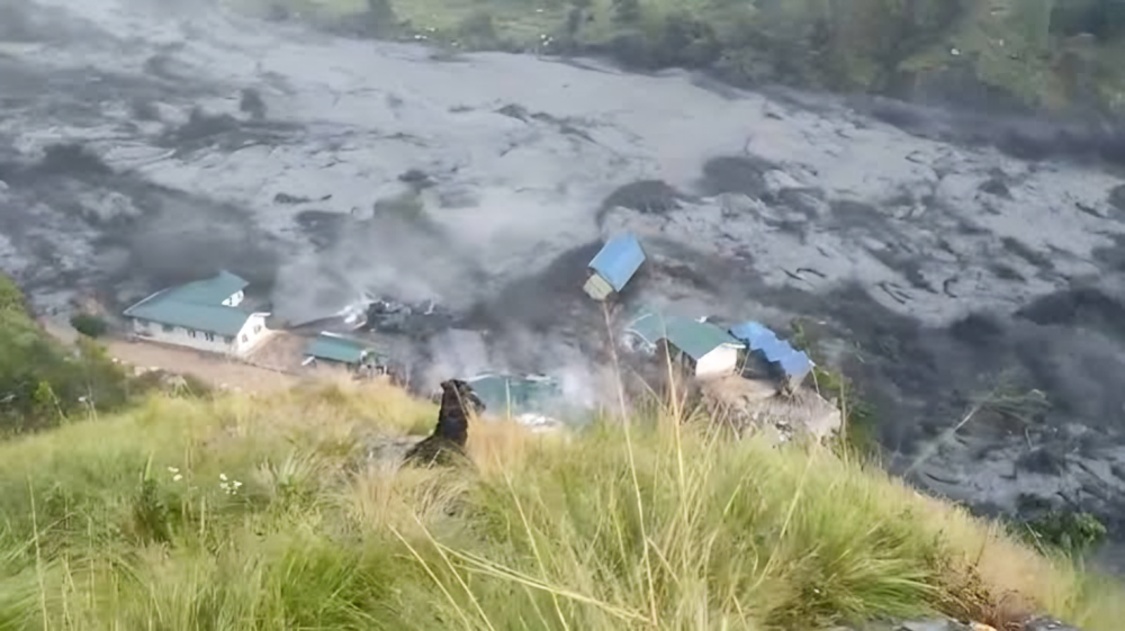
Nepal Flash Flood Sweeps Away Dozens of Houses and Bridges; Five People Missing
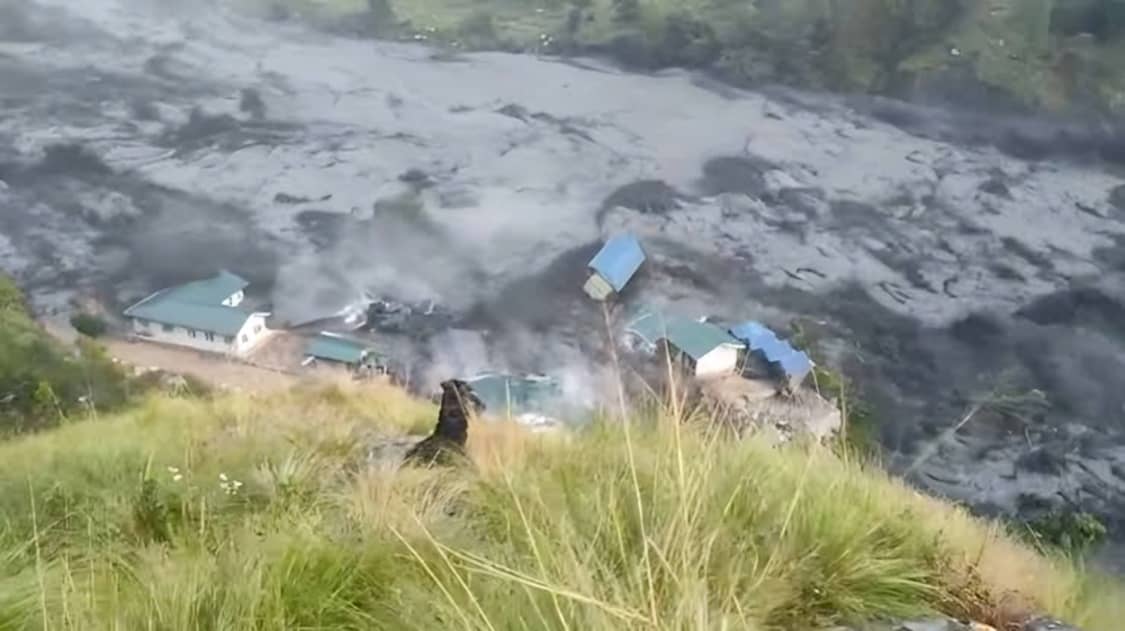
A flash flood along the Budhi Gandaki River has caused extensive damage in Nepal’s Gorkha district, sweeping away dozens of houses and damaging bridges and hydropower infrastructure. Five people have been reported missing, while rescue teams are working to evacuate residents and provide assistance to affected communities.
The flood struck on Sunday, October 11, 2026, affecting settlements in northern Gorkha. Nepalese disaster authorities reported that 82 people, including nine foreign nationals, had been rescued from the affected areas in initial updates. The Associated Press subsequently reported that the number of people rescued had risen to 95 as rescue operations continued. Five people remained missing, and no deaths had been reported in the initial accounts of the incident.
Houses, bridges and hydropower infrastructure damaged
The flooding caused significant destruction to homes, local transport links and infrastructure connected to hydropower projects. Reports from Nepal indicate that dozens of houses were swept away or damaged. The Kathmandu Post estimated that approximately 35 to 40 houses had been swept away in affected settlements, while a report carried by ThePrint, citing the Press Trust of India, said 45 houses were completely damaged and another 27 sustained partial damage.
The reports also identified damage to suspension bridges, motorable bridges and a highway bridge linking Gorkha with neighbouring Dhading district. The loss of bridges has raised concerns about access to isolated settlements and the movement of relief supplies.
Hydropower infrastructure was also affected. Disaster authorities reported damage to hydropower project facilities, while construction equipment was carried away by the floodwaters. The full extent of the damage remains under assessment, and figures may change as officials reach more communities and inspect affected sites.
Possible landslide trigger under investigation
Preliminary reports suggest that a landslide may have blocked the Budhi Gandaki River before the floodwaters surged downstream. Authorities are examining how the blockage formed and how the water was released. The precise origin and sequence of events have not been conclusively established in all initial reports.
The Budhi Gandaki is part of a river system connected to the Trishuli River. The sudden movement of water, mud and debris through the mountainous terrain created a serious threat to settlements located along riverbanks. Officials have warned that people in vulnerable downstream areas should move to safer locations and follow instructions from local authorities.
Rescue operations and evacuation warnings
Nepalese military personnel, police and disaster response teams have been involved in rescue and relief operations. Helicopters have been used to reach communities that are difficult to access by road, while rescue workers have been helping evacuate residents and visitors from affected areas.
Authorities have also been arranging essential supplies, including food, medicine and temporary shelter materials, for communities affected by the flooding. Access remains a major challenge in some locations because damaged bridges and roads can delay the delivery of assistance.
The disaster authority issued warnings for vulnerable areas along the river system, including locations in Gorkha, Tanahun, Chitwan, East Nawalparasi and West Nawalparasi. Residents were urged to remain alert, move away from riverbanks where necessary and cooperate with evacuation and rescue efforts.
The affected region includes trekking routes that attract visitors, particularly during October’s busy travel season. The rescue of foreign nationals highlights the need to account for both local residents and visitors during emergency operations.
Nepal still recovering from earlier deadly floods
The latest disaster has occurred while Nepal continues to recover from devastating floods near the Nepal-China border in August 2026. That earlier disaster caused a large number of deaths and left thousands of people missing, according to reports from the Associated Press and other news organisations. Recovery efforts have included restoring damaged infrastructure and assisting affected families.
The new flooding has renewed concerns about the vulnerability of mountainous communities to sudden river surges, landslides and damage to essential transport links. However, the precise causes of individual flood events must be established through official assessments rather than assumed from previous disasters.
Damage assessment and next steps
Officials are continuing to establish the number of missing people, assess damage to homes and public infrastructure, and determine what assistance affected communities require. The reported figures for destroyed and damaged houses differ between initial accounts, so the final toll may change as inspections continue.
Residents in high-risk areas are being urged to follow official warnings and avoid crossing flooded rivers or using damaged bridges. Authorities are expected to prioritise search operations, safe evacuation, relief distribution and the restoration of access to isolated communities.
The immediate priorities remain locating the five missing people, supporting those displaced by the flood and ensuring that emergency supplies reach affected settlements. Further information is expected as rescue teams and local officials complete their assessments.