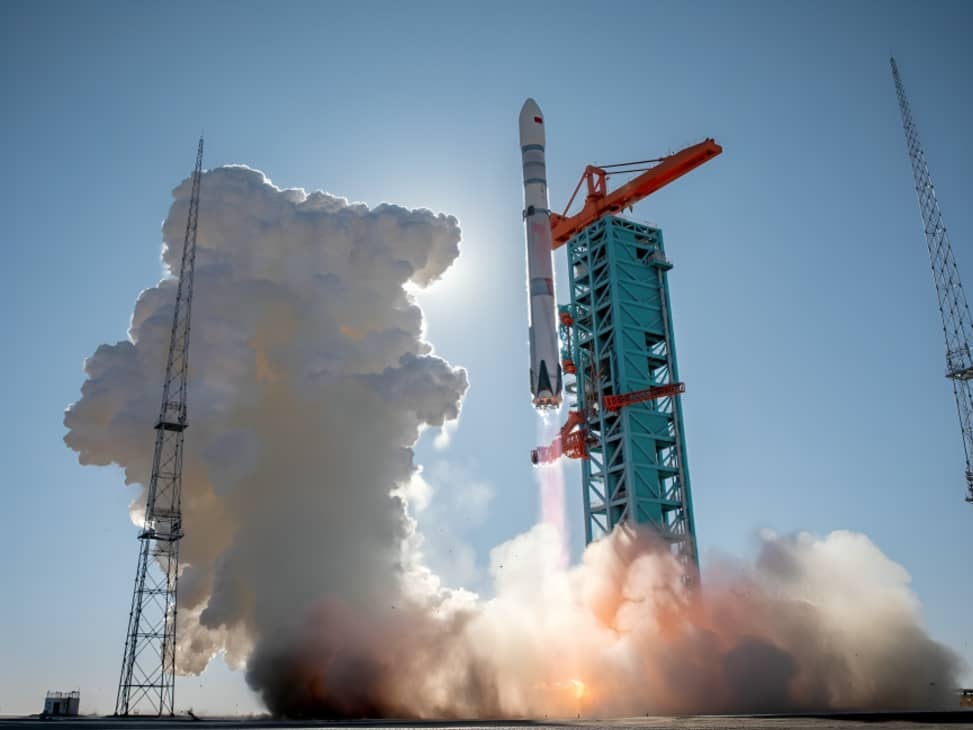
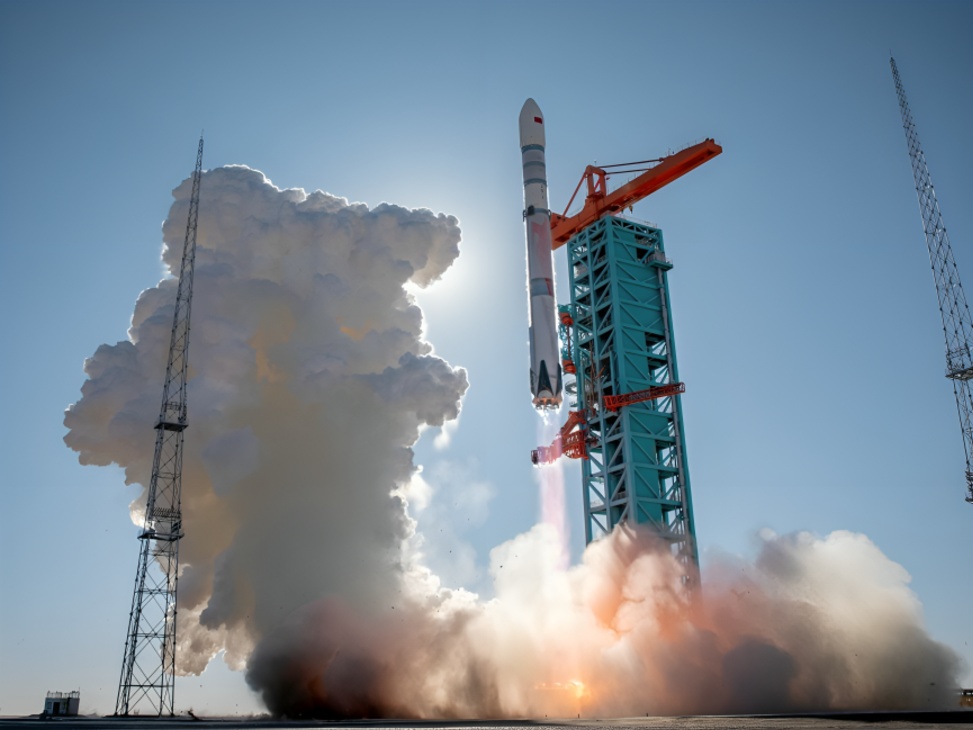
China has achieved a significant milestone in its commercial space programme by successfully recovering the first stage of a reusable rocket on land. The achievement was recorded during the launch of the Zhuque 3 rocket, developed by Chinese commercial space company LandSpace.
The Zhuque 3 was launched from the Dongfeng Commercial Space Innovation Pilot Zone in northwestern China. Following the launch, the rocket's first stage separated and returned toward a designated landing area in Gansu province. The booster successfully completed its landing, marking China's first successful land recovery of an orbital class rocket booster using a powered landing system.
The development is significant because reusable rocket technology can potentially reduce the cost of space launches. Traditional launch vehicles are generally designed for one time use, meaning major components are discarded after each mission. Reusable systems are designed to return important rocket components to Earth so that they can potentially be inspected, refurbished and flown again.
The Zhuque 3 mission represents an important step in China's effort to develop this technology. The rocket's first stage is designed to return to Earth after completing its role during launch. The successful landing demonstrates that Chinese commercial space companies are making progress in controlling and recovering large rocket boosters after orbital missions.
The booster travelled approximately 390 kilometres from the launch site before reaching its designated landing location in Gansu province. The successful recovery followed earlier Chinese attempts to demonstrate reusable rocket technology.
China had already achieved another important recovery milestone in July 2026 when a Long March 10B rocket's first stage was recovered at sea using a net based system. The latest Zhuque 3 achievement is different because the booster successfully returned to land using deployable landing legs.
Reusable rocket technology has become an important area of competition in the global commercial space industry. US companies, particularly SpaceX and Blue Origin, have already demonstrated the ability to recover and reuse rocket boosters. SpaceX achieved its first successful orbital rocket booster landing in 2015, helping establish reusable launch systems as an important part of modern spaceflight.
The Chinese achievement therefore represents progress in an area where the United States has held a technological lead for several years. However, the latest landing should not be interpreted as China completely closing the technological gap with SpaceX. Successfully landing a booster is only one part of developing a mature reusable launch system.
A commercially successful reusable rocket must also demonstrate repeated flights, reliable refurbishment, rapid turnaround times and consistent launch performance. The ability to reuse the same booster multiple times is particularly important because the economic advantage of reusable rockets depends on reducing the cost and time required between missions.
LandSpace has indicated ambitious plans for the Zhuque 3 programme. The company aims to develop a reusable rocket system capable of supporting frequent launches and reducing the cost of placing payloads into orbit. The recovered booster could potentially be prepared for another mission, although further testing and inspections will be necessary before repeated operational use.
The mission also highlights the growing role of private Chinese companies in the country's space sector. LandSpace is part of China's expanding commercial launch industry, which has increasingly focused on technologies that were previously dominated by state operated space programmes.
The development could have wider implications for the global satellite launch market. Lower launch costs could make it easier for companies and governments to deploy communications satellites, Earth observation systems and other spacecraft.
China's progress is also taking place amid increasing international competition in reusable launch technology. Several companies around the world are developing rockets designed to recover and reuse their first stages, with the objective of making launches more affordable and frequent.
The successful Zhuque 3 landing therefore represents more than a single technical achievement. It demonstrates that China is making steady progress in developing reusable orbital launch technology and strengthening its commercial space capabilities.
The next major challenge will be demonstrating that the recovered booster can be safely refurbished and flown again. Repeated successful missions will provide a clearer indication of whether China's commercial rocket industry can achieve the reliability and launch frequency required to compete directly with established reusable rocket operators.
For now, the successful land recovery of the Zhuque 3 first stage is an important milestone for China's space industry. It adds another significant achievement to the country's rapidly developing reusable rocket programme and could intensify competition in the global commercial space launch market.