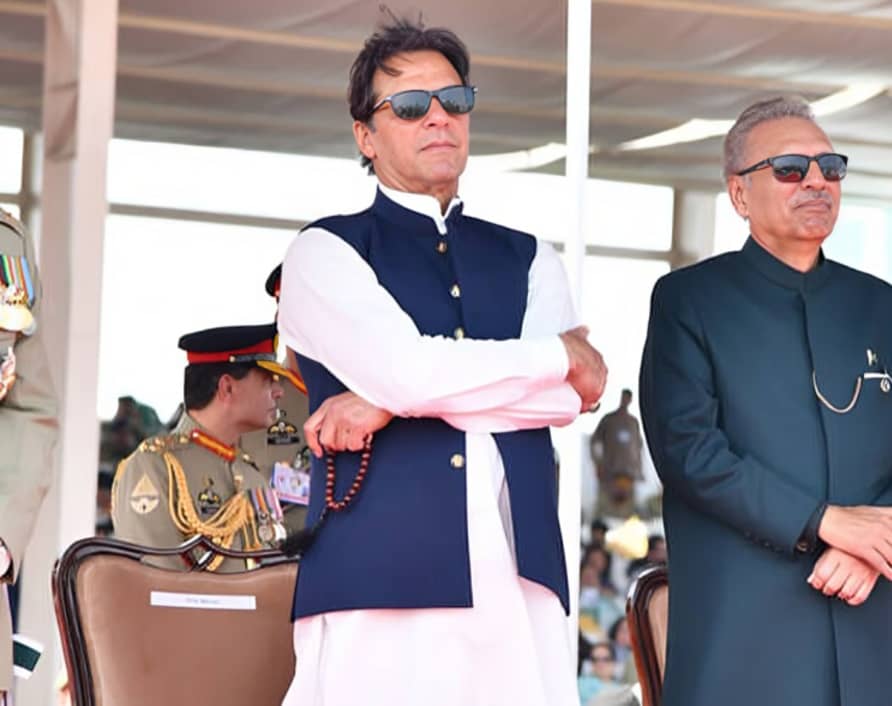
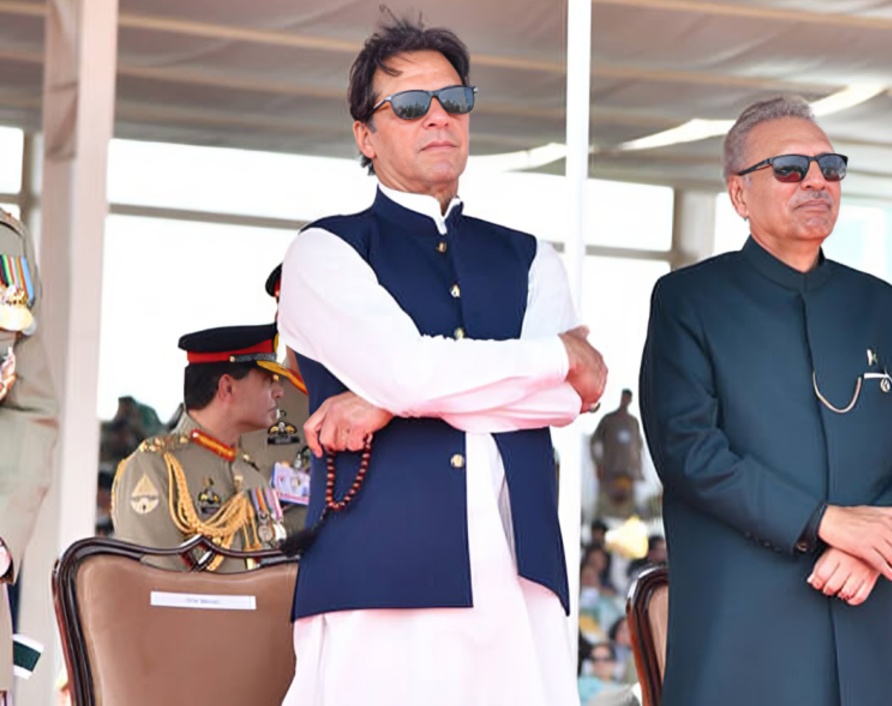
Former Pakistan President Arif Alvi has raised fresh concerns about the health of imprisoned former Prime Minister Imran Khan, calling for him to be transferred to a hospital and examined by an independent medical team.
Alvi's comments have added to the continuing debate in Pakistan over Khan's health and the medical care available to him while he remains in prison. Khan has been incarcerated since 2023 and continues to face multiple legal cases.
According to Alvi, the medical reports he reviewed contained several issues that he considered concerning. He referred to anxiety, high levels of stress, heart palpitations and elevated blood pressure. He also expressed concern about the possible effects of prolonged isolation on Khan's physical and psychological wellbeing.
Alvi has called for Khan to be moved to a hospital so that he can undergo a comprehensive medical examination. He has also suggested that the assessment should be conducted by doctors who are independent of the authorities responsible for his imprisonment.
The former president said Khan should undergo continuous heart monitoring and additional cardiac investigations if doctors consider them necessary. His suggestions reportedly include an electrocardiogram, echocardiogram, stress testing and other cardiac assessments.
The concerns come amid a wider dispute over Khan's access to medical care and independent medical professionals. His family and supporters have previously raised concerns about the conditions under which he is being held and have sought greater access to his doctors and family members.
The Pakistani authorities, however, have disputed claims that Khan has been denied medical care. Government appointed medical teams have examined him during his imprisonment, while officials have maintained that appropriate medical facilities are available to him.
The latest controversy therefore involves not only Khan's reported symptoms but also a question of who should independently assess his health.
Alvi has argued that an independent medical panel would help provide clarity and reduce concerns surrounding Khan's treatment. The former president has maintained that the former prime minister's prolonged isolation could be affecting both his mental and physical health.
Medical experts have cautioned that individual readings or symptoms cannot by themselves establish the seriousness of a medical condition. For example, a resting heart rate of around 54 beats per minute does not automatically indicate a medical emergency. Such a reading can occur in healthy people, particularly those who have historically maintained a high level of physical fitness.
However, recurring palpitations can have several causes, ranging from stress and anxiety to medication or an abnormal heart rhythm. Medical professionals generally assess such symptoms by considering the patient's complete medical history and conducting appropriate tests.
Similarly, a single elevated blood pressure reading does not necessarily establish persistent hypertension. Repeated measurements taken under appropriate conditions are generally required to determine whether blood pressure is consistently elevated.
This distinction is important because the complete medical records referred to by Alvi have not been made publicly available for independent examination. As a result, the public cannot independently verify the full medical picture from the information currently available.
Alvi's concerns nevertheless focus attention on the possible health effects of prolonged imprisonment and isolation. Extended psychological stress can affect sleep, anxiety levels and blood pressure and can also contribute to physical symptoms such as palpitations.
The former president has argued that Khan's current circumstances are significantly different from his earlier life. He has referred to the former prime minister's isolation, limited access to information and concerns about political developments involving his party and supporters.
Khan's family and Pakistan Tehreek-e-Insaf supporters have repeatedly demanded greater transparency regarding his health. They have also sought access for independent doctors to examine him.
The authorities have rejected suggestions that Khan is being deliberately denied medical attention. Officials have said he has received medical examinations and treatment whenever required.
The disagreement has made independent verification particularly important. An examination by doctors acceptable to both Khan's family and prison authorities could potentially provide a clearer assessment of his condition.
Khan's health has been a matter of concern for his supporters on several occasions since his imprisonment. His medical treatment has also previously generated political controversy, particularly when questions were raised about the timing and adequacy of medical interventions.
The present concern, however, is specifically based on the medical information cited by Alvi and his interpretation of Khan's reported symptoms.
Alvi said the combination of anxiety, stress, palpitations and blood pressure concerns warranted further medical investigation. He has argued that waiting for the situation to deteriorate could create unnecessary risks.
At the same time, the available information does not establish that Khan is currently suffering from an immediate life threatening cardiac condition. No complete independent medical report confirming such an emergency has been publicly released.
The issue has also acquired political significance because Alvi is closely associated with Khan's political movement. Alvi served as Pakistan's president from 2018 to 2024 and was a senior member of Pakistan Tehreek-e-Insaf.
Khan's supporters have interpreted the latest health concerns as evidence that his prison conditions need greater scrutiny. The Pakistani government has maintained a different position and has rejected allegations that Khan is being denied appropriate care.
The former prime minister has remained a prominent political figure despite his imprisonment. His legal cases and prison conditions continue to generate political debate inside Pakistan and attract international attention.
The latest appeal from Alvi is therefore likely to intensify calls for independent medical access.
If Khan is transferred to a hospital, doctors could conduct a more comprehensive evaluation of his cardiovascular and psychological health. Such an assessment could include monitoring blood pressure, recording heart rhythm and reviewing medication and previous medical records.
The results could then provide a clearer basis for determining whether any additional treatment or continued hospital care is necessary.
Until such an independent assessment takes place, claims about the severity of Khan's condition should be treated with caution. Alvi's statements represent concerns based on the medical information he says he reviewed, rather than a publicly verified diagnosis.
The dispute also highlights the importance of transparency when the health of a high profile prisoner becomes a matter of public concern. Clear medical information from independent professionals could help reduce conflicting claims from political parties and government representatives.
For now, Alvi is calling for Khan's immediate transfer to a hospital and independent medical supervision. He has specifically highlighted anxiety, stress, palpitations and elevated blood pressure as reasons for concern.
The Pakistani authorities are expected to remain under pressure to clarify Khan's current medical condition and the extent of access available to independent doctors.
The issue is likely to remain closely connected to the wider political dispute surrounding Khan's imprisonment. His supporters continue to demand greater access and transparency, while the government maintains that he is receiving appropriate medical attention.
Overall, the latest development centres on former President Arif Alvi's demand for an independent assessment of Imran Khan's health. Alvi says prolonged isolation and reported symptoms require urgent medical attention, while the complete medical evidence remains unavailable for independent public verification