Tensions between the United States and Iran have sharply escalated after Iran launched ballistic missiles at US military facilities in Jordan following an American strike on Iranian forces near the Strait of Hormuz.
The latest exchange began with a US military operation on Larak Island, a strategically important Iranian island located near the Strait of Hormuz. The United States said its forces carried out limited and precise strikes against two Iranian rocket launchers that were allegedly being prepared to deploy rockets carrying sea mines into the waterway.
US Central Command said the operation was intended to prevent an imminent threat to international shipping. Washington has maintained that protecting the free movement of commercial vessels through the Strait of Hormuz is a key security objective. Reuters reported that the strikes marked the first publicly acknowledged US military action against Iran since late July.
Iran strongly condemned the American operation. The Islamic Revolutionary Guard Corps said the attack had caused casualties among Iranian personnel and civilians, although an exact figure was not immediately provided. Iranian authorities described the US action as aggression and warned that it would face retaliation.
Iran subsequently launched ballistic missiles towards US military positions in Jordan. The IRGC said its operation targeted the King Hussein and Al Azraq airbases, which host US military assets. Iranian officials described the missile strikes as retaliation for the American attack on Larak Island.
Jordanian authorities said their air defence systems intercepted eight Iranian missiles after the attack. The Jordanian military stated that the missiles were destroyed before they could threaten civilians or property. Initial reports said there were no injuries at the targeted bases. However, details of the extent of damage remained limited as authorities continued to assess the situation.
The exchange represents a significant escalation because it involves direct attacks between US and Iranian forces after several weeks of relative restraint. The latest confrontation has also expanded the geographic scope of the conflict, linking military activity around the Strait of Hormuz with US military installations in neighbouring countries.
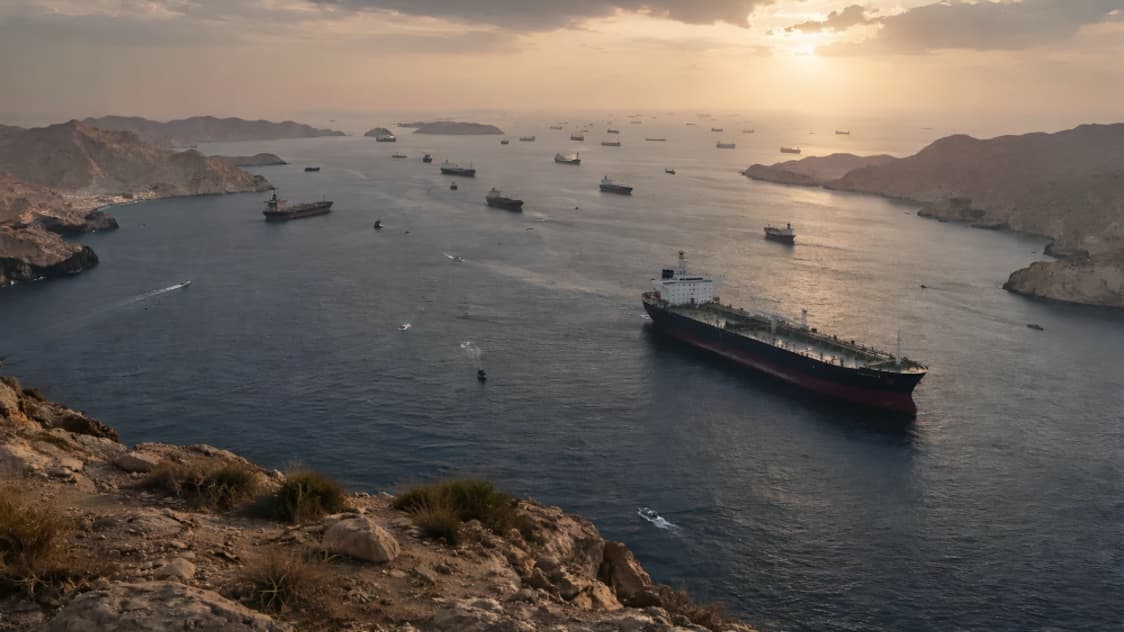
The Strait of Hormuz is central to the dispute because it is one of the world's most important energy shipping routes. Large volumes of crude oil, petroleum products and natural gas normally pass through the waterway. Any sustained disruption could have consequences for international energy prices, shipping costs and global supply chains.
The United States said the Larak Island operation was specifically intended to prevent the deployment of sea mines. Mines can create serious risks for commercial vessels because they can remain hidden underwater and threaten ships using established maritime routes.
Washington has said that US forces recently cleared mines from sections of the waterway and remained prepared to protect commercial shipping. President Donald Trump had also warned Iran against placing new mines in the Strait.
Iran, however, has maintained that it exercises control over the Strait and has rejected US assertions about unrestricted commercial access. Iranian military officials have warned that navigation through the waterway remains subject to conditions set by Tehran.
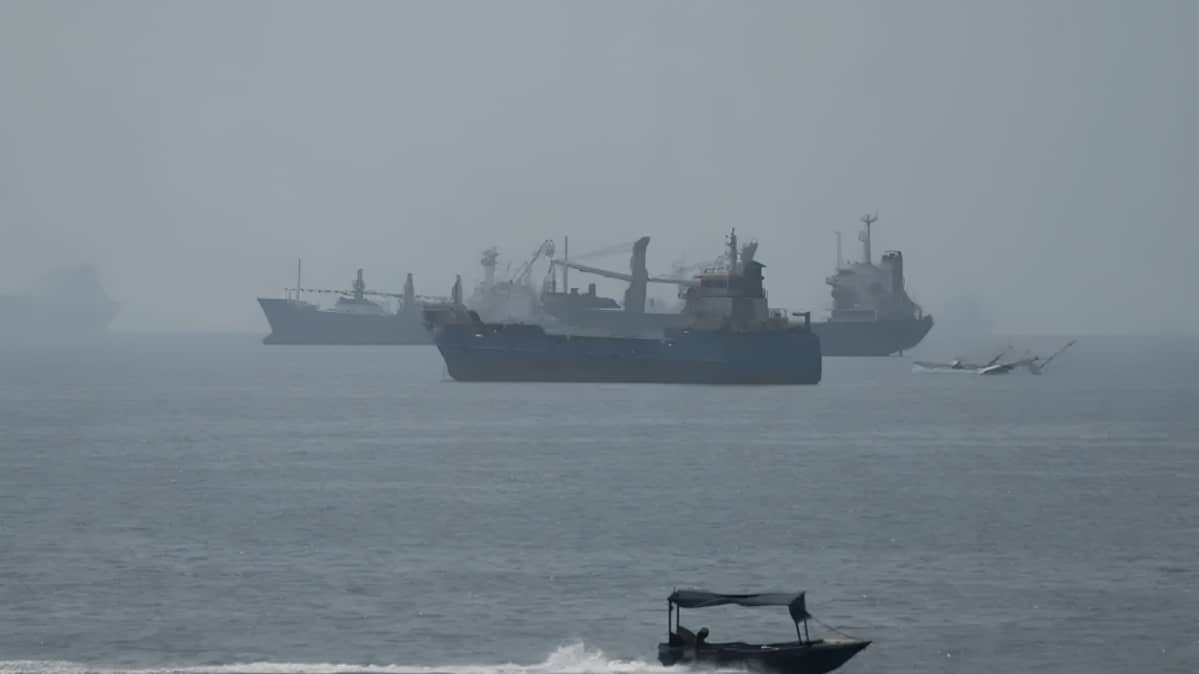
The competing positions have created uncertainty for international shipping companies. Commercial operators must assess not only the possibility of direct attacks but also the risks associated with mines, missile activity and changing navigation restrictions.
The latest missile attack in Jordan also highlights the vulnerability of US military facilities across the Middle East. The United States maintains military installations and personnel in several countries in the region, and Iran has previously targeted bases hosting American forces in response to US military operations.
Jordan has increasingly become an important location for regional air operations and air defence activities involving the United States and its partners. The reported interception of eight Iranian missiles demonstrates the role of Jordanian air defences in protecting its territory and military installations.
The confrontation has also raised questions about whether the violence could spread beyond the immediate areas involved. Any further Iranian attacks against US bases or additional US strikes against Iranian military assets could deepen the conflict and increase risks for neighbouring countries.
International markets are also closely watching developments in the Strait of Hormuz. Shipping traffic through the waterway has already been significantly reduced during the ongoing conflict, increasing concerns about energy supplies and transportation costs. Reuters has reported that vessel movements through the Strait remained well below normal levels amid the security situation.
The latest escalation comes after a broader conflict involving Iran, the United States and Israel that has continued for several months. The military confrontation has caused extensive casualties and displacement, while also creating uncertainty across the wider Middle East.
The two sides continue to present sharply different explanations for the latest events. Washington says its Larak Island strikes were a defensive operation designed to prevent an imminent threat to commercial shipping. Tehran describes the same action as aggression and says its missile strikes were a response to the American attack.
The competing claims regarding casualties and damage also mean that some details remain difficult to independently verify. Iranian officials have reported deaths and injuries from the Larak Island strikes, while US and Jordanian authorities have focused on the interception of Iranian missiles and the absence of significant damage at the targeted facilities.
The latest developments have increased pressure on regional governments to strengthen air defences and protect civilian infrastructure. They have also renewed diplomatic concerns about the security of maritime routes and the possibility of further military escalation.
For the moment, the main focus remains the Strait of Hormuz, where the possibility of additional mine-laying activity could further disrupt international shipping. At the same time, Iran's attacks on US positions in Jordan demonstrate that the confrontation is no longer confined to the immediate waters around the Gulf.
Any further military action could have wider implications for the Middle East, international shipping and global energy markets. Governments and shipping companies are therefore closely monitoring the situation as Washington and Tehran continue to exchange threats and military strikes.