Tensions in and around the Strait of Hormuz have intensified after the United States carried out what it described as limited and precise military action against Iranian forces allegedly involved in preparing to lay sea mines.
The United States Central Command said the operation targeted Islamic Revolutionary Guard Corps forces that posed an imminent threat to shipping in the strategically important waterway. According to the US military, the action was intended to prevent a potential threat to international maritime traffic.
Iran strongly criticised the operation. The Islamic Revolutionary Guard Corps described the US action as aggression and said the strikes had resulted in casualties. Iranian officials also maintained that Tehran would respond to what they regarded as attacks against the country.
The US Central Command rejected Iran’s description of the incident, calling the claim that the operation constituted an act of aggression false. CENTCOM said the strikes were limited in scope and were directed specifically at forces considered to be preparing an imminent maritime threat.
The confrontation took place near Larak Island in the Strait of Hormuz. US officials said Iranian rocket launchers and other military assets were being prepared for activities that could threaten the recently cleared international shipping lanes. Associated Press reported that the United States viewed the operation as a defensive action aimed at preventing the deployment of sea mines and rockets.
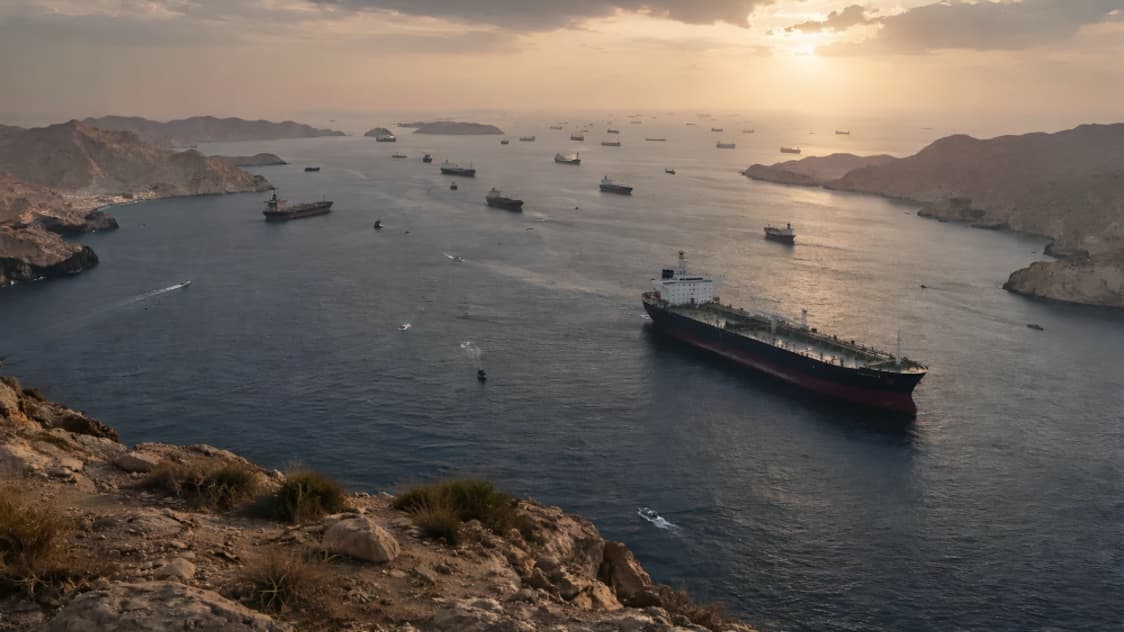
The Strait of Hormuz is one of the world's most important maritime energy corridors. It connects the Persian Gulf with the Gulf of Oman and the Arabian Sea and is used by commercial vessels transporting large quantities of crude oil, petroleum products and liquefied natural gas.
Because of its importance to global energy markets, any military confrontation in the area can have consequences far beyond the Middle East. Shipping companies may face increased security risks, higher insurance costs and uncertainty over whether vessels can safely transit the waterway.
The latest incident comes after months of tensions between Washington and Tehran over control and security in the Strait. Iran's Revolutionary Guard has repeatedly asserted that it exercises control over the waterway and has rejected US claims that the route is fully open to commercial shipping.
The United States, meanwhile, has maintained that international shipping should be able to use the waterway safely. US forces have previously conducted operations targeting Iranian mine-laying vessels and other assets considered threats to maritime traffic
The issue of sea mines has become particularly sensitive because mines can remain hidden beneath the water and pose a risk to commercial vessels even after active military operations have ended. Clearing a mined maritime route can require specialised naval equipment and can take considerable time.
Earlier this month, US President Donald Trump said mines had been removed from international waters in the Strait and warned against the deployment of new mines. Washington has continued to emphasise the importance of keeping the route open for global commerce and energy shipments.
Iran has taken a different position. Its military leadership has said restrictions on the Strait would remain in place until US military actions against Iran end and related agreements are implemented. This disagreement has contributed to uncertainty for shipping companies operating in the region.
The latest US strike also came shortly before Iran launched ballistic missiles towards US military positions in Jordan, according to international reports. Jordanian authorities said missiles were intercepted. Iran described its response as retaliation for the US action against Iranian targets.
The sequence of events has raised concerns about a broader escalation. Any expansion of direct military activity between Iran and the United States could further threaten maritime security in the Gulf and disrupt already reduced commercial traffic through the Strait.
Shipping activity has already fallen substantially compared with levels seen before the current conflict. Reuters has reported that traffic through the Strait remains well below its normal level as operators weigh security risks and uncertainty about navigation conditions.
For energy markets, the situation is being monitored closely because the Strait handles a major share of global oil and gas shipments. Prolonged disruption could increase transportation costs and contribute to volatility in international energy prices.
The latest confrontation has also created competing narratives about what happened. The United States says its forces acted against an imminent threat from Iranian mine-laying units, while Iran describes the attack as an act of aggression. The claims regarding casualties and the precise damage caused by the strikes have not been independently established in all cases.
The dispute highlights the wider strategic importance of the Strait of Hormuz in the current US Iran confrontation. Control of the waterway is not only a military issue but also an economic and geopolitical concern because of its importance to international trade.
Analysts and governments in the region are therefore watching closely for any further military movements or changes in shipping restrictions. Another attack involving commercial vessels or additional mining activity could make the maritime security situation significantly more difficult.
For now, the immediate issue remains the competing claims over the US operation and the subsequent Iranian response. The United States has defended its action as limited and defensive, while Iran has promised to respond to what it considers foreign aggression.
Further developments could determine whether the confrontation remains limited to specific military targets or develops into a broader escalation affecting shipping, regional security and global energy markets.