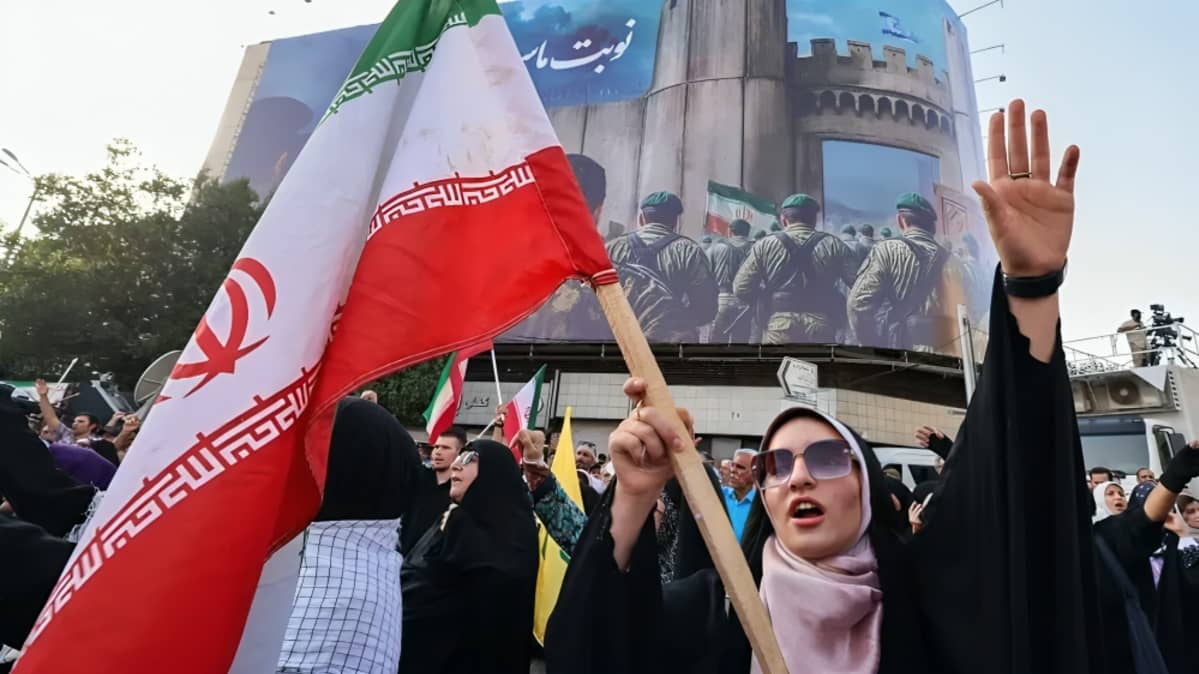
Iran has sharply criticised the latest economic sanctions announced by the United States, describing the measures as a declaration of war against all nations and accusing Washington of attempting to extend its authority beyond US borders.
Iranian Foreign Ministry spokesperson Esmaeil Baghaei said the latest sanctions went beyond what Tehran considers ordinary economic pressure. According to his statement, the United States was attempting to exercise what Iran described as extraterritorial sovereignty over other independent countries. Tehran argued that individual nations should have the right to conduct lawful trade without being forced to follow another country's unilateral restrictions.
The Iranian reaction came after the United States announced plans for additional economic measures against Tehran. US Treasury Secretary Scott Bessent has described the forthcoming sanctions as among the toughest measures Washington has imposed, with the stated objective of increasing economic pressure on Iran.
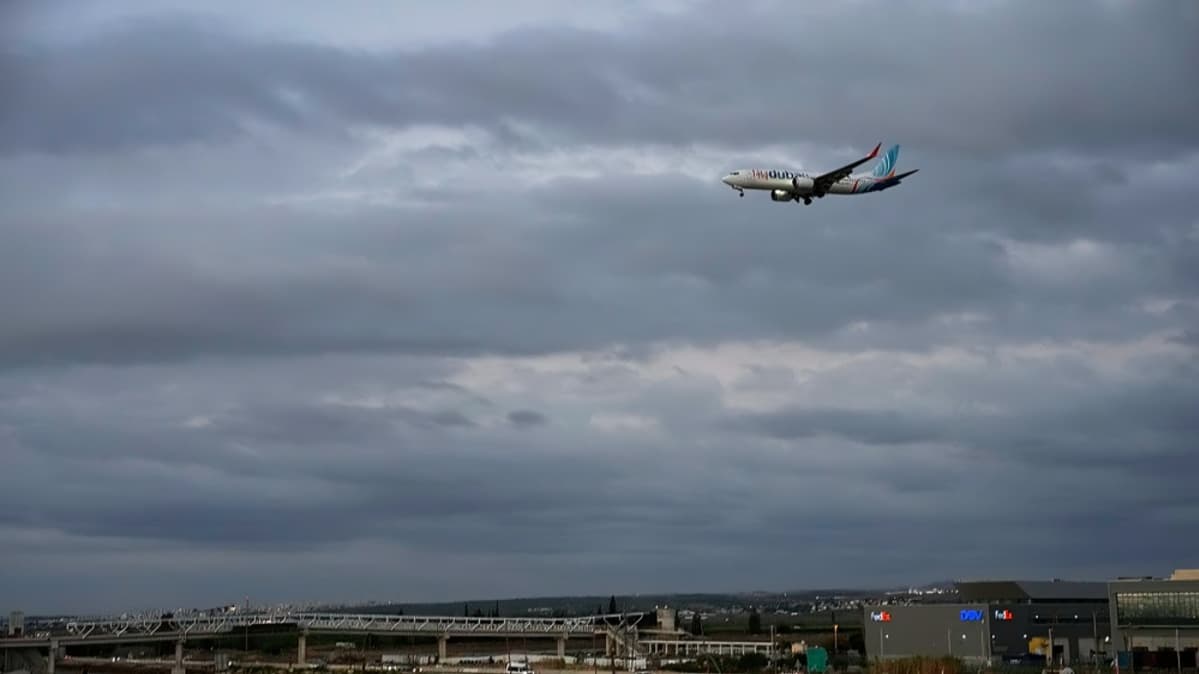
Iran has rejected the justification behind the new measures. Baghaei argued that foreign banks, companies and airports should remain subject to the laws and jurisdiction of their own countries. He said Washington should not have the authority to compel businesses in other nations to stop conducting lawful commercial activities with third countries.
The Iranian Foreign Ministry has also raised concerns about the potential impact of secondary sanctions. Such measures can target foreign companies or financial institutions that continue conducting business with a sanctioned country. Tehran argues that this approach effectively attempts to extend US economic rules to countries that are not directly involved in the dispute.
Iran has linked the latest sanctions to a wider confrontation with Washington. The two countries remain deeply divided over several issues, including Iran's nuclear programme, regional security and the future of shipping through the Strait of Hormuz.
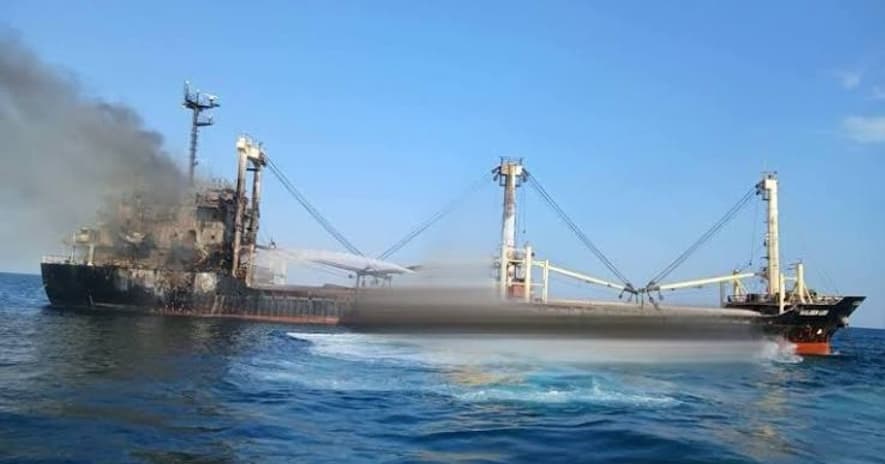
The Strait of Hormuz has become a major focus of the confrontation because it is one of the world's most important energy shipping routes. Restrictions on shipping through the waterway have already disrupted international trade and reduced oil flows. Reuters reported that the continuing conflict and restrictions around the strait have significantly affected energy shipments and maritime activity.
Iran has also criticised the combination of economic sanctions and maritime restrictions. Tehran warned that using financial pressure together with a naval blockade could have consequences extending beyond Iran and could affect the principle of national sovereignty.
Baghaei warned that such measures could represent what Iran described as a return to classic colonialism. The Iranian government argues that powerful countries should not be able to determine the economic choices of sovereign nations through unilateral sanctions.
The United States, however, has defended its sanctions strategy as a way of putting economic pressure on Tehran. Washington has said its objective is to force Iran to make changes on issues considered important to US national security and regional stability. US officials have also warned countries and companies that continue supporting Iran's economy that they could face consequences.
The disagreement has significant international implications because Iran maintains important trading relationships with countries including China. Reuters reported that China accounts for more than 80 percent of Iran's oil imports, making Beijing a major factor in the effectiveness of Washington's sanctions campaign.
The sanctions dispute is also affecting the global energy market. Iran is an important oil producer, and restrictions on its exports have the potential to tighten global supplies. The situation around the Strait of Hormuz has added another layer of uncertainty because the waterway is critical to international energy transportation.
Recent reports indicate that Iranian oil exports have already fallen significantly amid the conflict and restrictions on shipping. Chinese buyers have reportedly faced reduced availability of Iranian crude, while some alternative suppliers have been sought to compensate for the disruption.
The economic pressure is also being felt inside Iran. International reports have described rising inflation, currency pressures and difficulties for households as sanctions and the wider conflict place additional strain on the country's economy.
Iranian officials have nevertheless continued to reject the idea that increased sanctions will force Tehran to surrender its strategic positions. Iranian leaders have described previous sanctions policies as unsuccessful and have argued that additional economic pressure will increase tensions rather than resolve the underlying disputes.
The latest exchange of statements comes at a time when both sides have used increasingly strong language. Washington has announced an intensified economic campaign against Iran, while Tehran has warned that continued pressure could produce further instability.
The situation also creates challenges for countries that maintain economic relationships with Iran. Secondary sanctions could place foreign businesses in a difficult position, forcing them to choose between maintaining trade with Iran and preserving access to the US financial system.
This issue is particularly significant for major economies that continue to purchase Iranian energy products. Any expansion of secondary sanctions could therefore have consequences beyond the United States and Iran.
The dispute has also raised questions about international law and the limits of unilateral economic sanctions. Iran argues that sanctions affecting companies and financial institutions in other sovereign countries violate the principle of sovereign equality. The United States maintains that its sanctions are legitimate tools of national security and foreign policy.
For the moment, the confrontation remains unresolved. Washington is preparing additional economic pressure, while Tehran is warning against what it describes as an attempt to impose US authority on other countries.
The Iranian Foreign Ministry's latest comments show that Tehran intends to challenge the new measures diplomatically and politically. Iran is portraying the sanctions not merely as economic restrictions against one country but as a wider challenge to the independence of nations.
The warning about colonialism reflects Tehran's broader argument that powerful states should not dictate the economic and political choices of sovereign countries.
At the same time, the combination of sanctions, maritime restrictions and continuing tensions around the Strait of Hormuz could have consequences for international trade, energy markets and regional stability.
The latest development therefore represents another escalation in the ongoing US Iran confrontation. Iran has condemned the new sanctions as an attack on national sovereignty and warned of a dangerous return to colonial style economic pressure, while the United States continues to pursue stronger measures aimed at increasing pressure on Tehran.