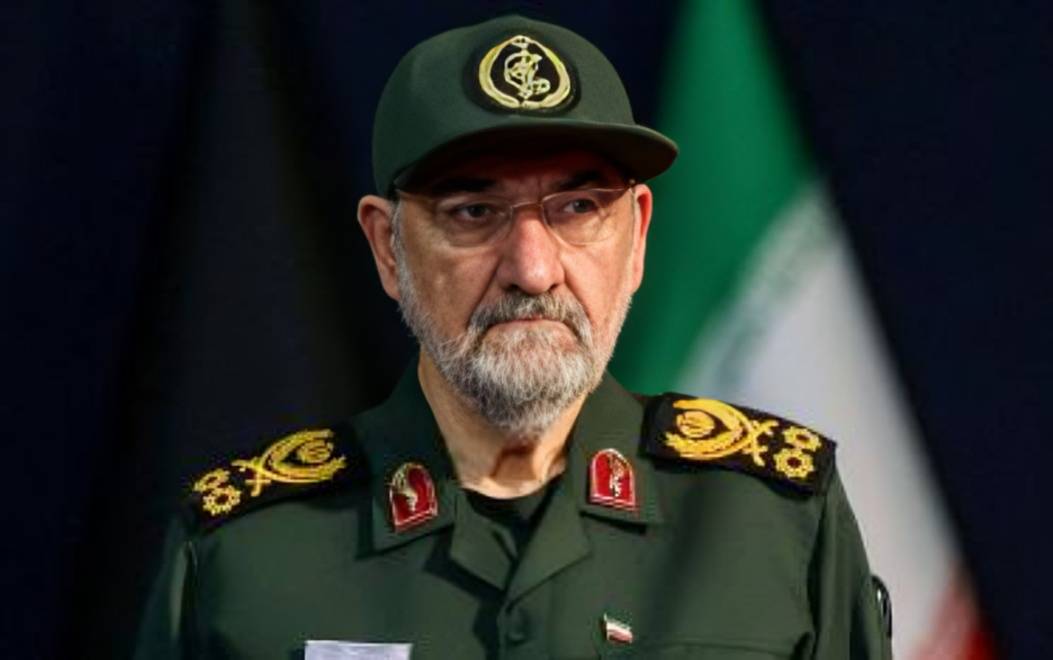
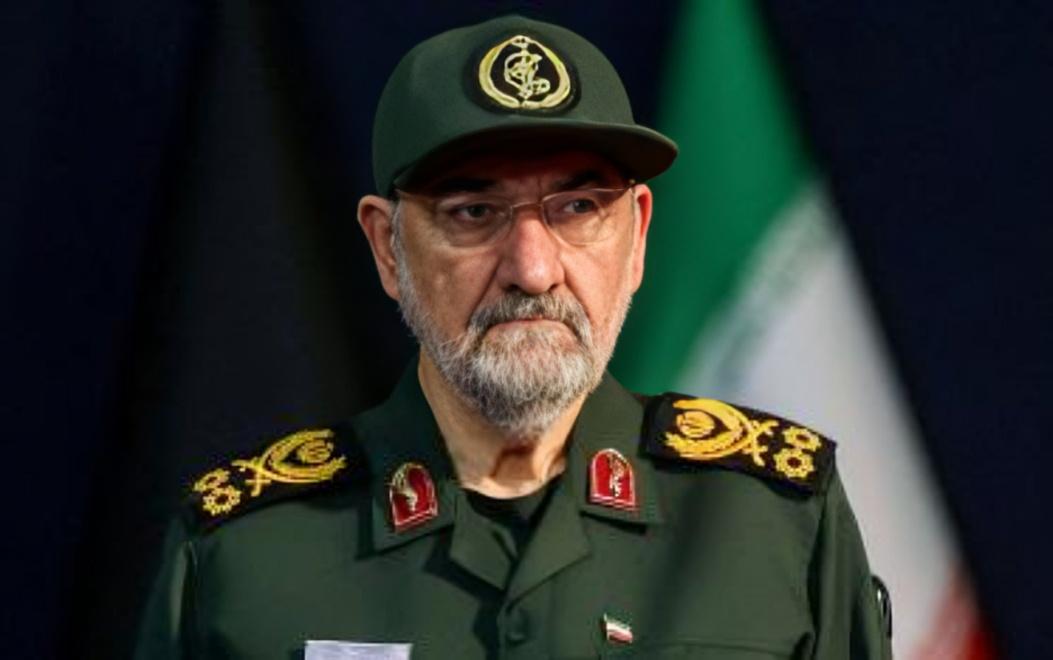
Iran has firmly rejected any proposal to transfer its enriched nuclear material outside the country, increasing tensions with the United States amid continuing disagreements over Tehran's nuclear programme. Iranian security official Mohsen Rezaei said that not even a single particle of enriched nuclear material would be allowed to leave Iranian territory. He also warned that any fresh American military attack could lead to retaliation against US military installations located far beyond the Middle East, including bases in European countries.
Rezaei made these statements during a televised interview with Lebanon-based Al Mayadeen on November 11. His remarks come at a time when Washington and Tehran remain divided over nuclear negotiations, regional security and the future of the Strait of Hormuz.
Iran Refuses to Transfer Enriched Nuclear Material
Rezaei made it clear that Iran intends to retain control over its enriched nuclear material rather than transfer it to another country as part of a possible diplomatic agreement.
He said Tehran had communicated the same position to Russia, adding that the material would remain under Iranian control and be used for domestic purposes. He referred to possible applications in nuclear-powered ships and submarines.
The issue of enriched uranium remains one of the biggest obstacles in negotiations between Iran and the United States. Washington has maintained that Iran's nuclear programme must be addressed as part of any agreement aimed at ending the conflict.
The United States and several Western countries have expressed concerns about Iran's uranium enrichment activities and the possibility that the programme could contribute to the development of nuclear weapons. Tehran has consistently denied seeking to develop nuclear weapons and has defended its nuclear activities as being intended for peaceful purposes.
The International Atomic Energy Agency had previously estimated that Iran possessed approximately 440.9 kilograms of uranium enriched to 60 per cent before Israeli and US attacks on Iranian nuclear facilities in June 2025. However, the amount of material that may have survived those attacks remains unclear. This uncertainty has added another complication to discussions about Iran's nuclear stockpile.
Iran Threatens Retaliation Against US Military Bases
Along with rejecting the transfer of nuclear material, Rezaei issued a warning against further American military action.
He said that if the United States launched another attack against Iran, Tehran would not limit its response to American military bases in the Middle East. According to his remarks, Iran could also target distant US military installations, including bases located in European countries, if American aircraft used them to carry out attacks against Iranian territory.
He also suggested that certain islands and military installations previously considered beyond the reach of Iranian missiles could become potential targets.
The warning represents an attempt by Tehran to communicate that any new military confrontation could extend beyond the immediate region. However, these statements reflect the position of an Iranian official and do not establish that an attack on any particular base is imminent.
The comments have raised concerns among countries hosting American military facilities because an expansion of the conflict could create additional security risks for the wider region and Europe.
Diplomatic Negotiations Remain Uncertain
Rezaei also indicated that Iran was not currently engaged in active negotiations with Washington. He said Tehran was waiting for a clear response from the American government to a set of seven conditions it had presented.
He described the initial American response as unclear and insufficient from Iran's perspective. This suggests that major differences remain between the two governments despite earlier diplomatic efforts.
Iran has reportedly communicated a nuclear proposal to the United States through Qatar. However, a senior Iranian official indicated that Tehran wanted Washington to address its conditions before further discussions could move forward.
Russia has also been involved in discussions surrounding Iran's nuclear material. Moscow previously offered to take custody of enriched uranium as part of a possible arrangement to address American concerns. Rezaei's latest remarks indicate that Tehran is not willing to accept such a transfer under its current position.
The disagreement over uranium is particularly important because any future agreement will need to address how Iran's nuclear activities are monitored and what happens to its existing stockpile.
Strait of Hormuz Adds to Regional Tensions
The situation has become more complicated because of continuing security concerns in the Strait of Hormuz, one of the world's most important maritime routes.
The narrow waterway connects the Persian Gulf with the Gulf of Oman and is a major passage for international oil and gas shipments. Any disruption can affect energy supplies, shipping costs and international markets.
Recent reports have highlighted attacks on commercial vessels and damage to maritime navigation infrastructure in the area. On November 9, an Iranian Revolutionary Guards Navy official said that navigation-aid systems in the southern Strait of Hormuz had been destroyed. However, the report did not identify who was responsible for the damage or explain its full impact on shipping.
A separate Reuters report on November 11 noted that attacks on vessels in the Strait of Hormuz had continued despite increased shipping activity. The incidents have added to concerns about the safety of commercial vessels and their crews.
The security situation has also affected international shipping operations. Maritime authorities have continued monitoring incidents involving tankers and other vessels, while shipping companies face uncertainty over routes and operational risks.
US Position and International Concerns
The latest Iranian statements came after some US officials downplayed the immediate need for additional military action. President Donald Trump has also spoken about the possibility of ending the conflict, although he has indicated that Washington wants its objectives to be achieved before bringing the war to a close.
The difference between the public positions of the two governments highlights the uncertainty surrounding the next stage of the conflict. While Washington continues to focus on Iran's nuclear programme and regional activities, Tehran is demanding that its security and political conditions be addressed.
The dispute also has implications for other countries. European governments hosting American military installations could face increased security concerns if Iran follows through on its warning. Gulf nations are also concerned about the possibility of further attacks affecting shipping, energy infrastructure and regional stability.
What Happens Next?
The immediate challenge for the United States and Iran is finding a diplomatic path that addresses their opposing demands. Washington wants meaningful assurances regarding Iran's enriched uranium stockpile, while Tehran has rejected transferring the material abroad and warned against further military action.
The future of the Strait of Hormuz is another important issue because prolonged disruption could affect international trade and energy markets.
For now, there is no confirmed agreement resolving the nuclear dispute or the wider security tensions. Rezaei's statements indicate that Iran intends to maintain a firm position on its nuclear material and respond to any new American attack.
The coming weeks could therefore be important for determining whether diplomatic efforts can reduce tensions or whether disagreements over nuclear policy, military security and maritime access will lead to further confrontation.