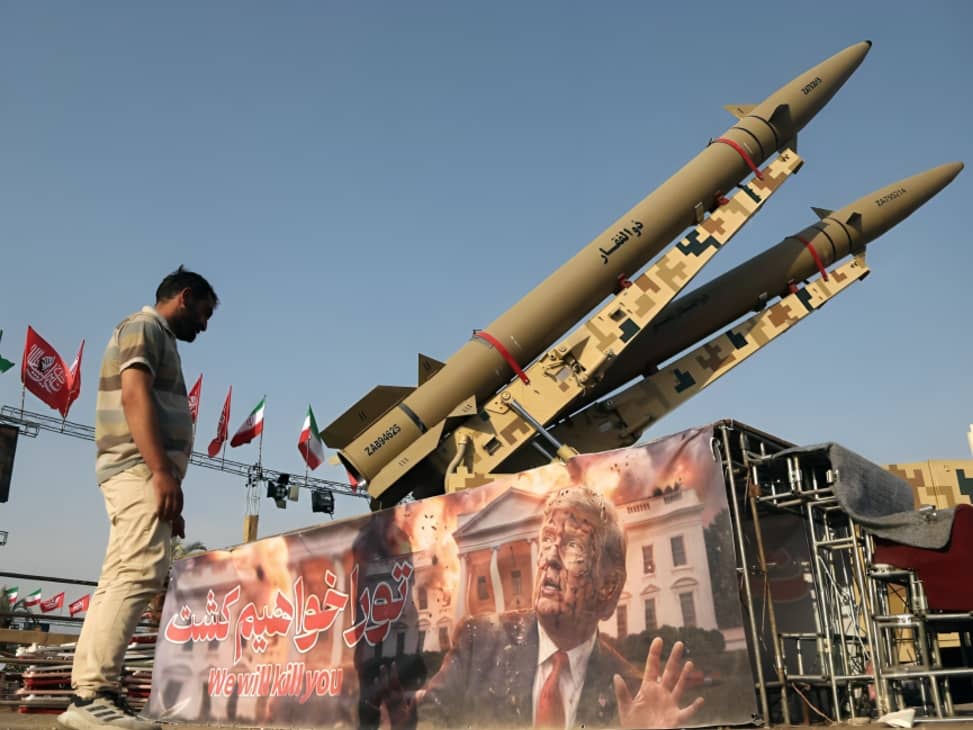
Iran has rejected allegations from the United Arab Emirates concerning an alleged missile attack, describing the accusations as baseless. The development has added to growing tensions between Tehran and Abu Dhabi and comes at a time when security concerns remain high across the Middle East.
According to the reported claims, the United Arab Emirates detected two ballistic missiles and subsequently raised concerns about a possible threat connected to Iran. Iranian authorities have rejected the allegations and denied responsibility for the incident.
The dispute has also affected the broader relationship between Iran and the UAE. Reports indicate that the UAE has taken measures involving trade and financial relations with Tehran, citing security considerations. Any significant disruption to economic ties between the two countries could have implications for businesses, shipping, investment and regional commerce.
Iran and the UAE have maintained important economic links despite political and security disagreements. The UAE has historically been one of Iran's significant trading partners, with Dubai serving as an important commercial centre for businesses involved in trade with Iran.
The latest developments therefore carry significance beyond the immediate missile allegations. Any deterioration in relations could affect commercial activity and increase uncertainty for companies operating across the Gulf.
Iran's rejection of the allegations reflects Tehran's broader position that it should not be held responsible for claims that it considers unsupported by evidence. Iranian officials have repeatedly called for diplomatic engagement and have criticised what they describe as attempts to escalate regional tensions.
The UAE, meanwhile, has emphasised security concerns surrounding missile activity. The detection of ballistic missiles can trigger significant security responses because such weapons have the potential to travel long distances and threaten military or civilian infrastructure.
The latest dispute is taking place against a complicated regional backdrop. Iran has faced continuing tensions with several countries over its missile programme, nuclear activities and relationships with armed groups across the Middle East.
Gulf states have traditionally been concerned about the possibility of military escalation involving Iran. Countries in the region have invested heavily in air defence systems and other security measures to protect critical infrastructure.
The UAE is particularly sensitive to threats against its territory because of its role as a major commercial and transport hub. Its ports, airports, financial centres and energy infrastructure are strategically important to the regional economy.
Any confirmed missile attack or credible threat could therefore have wider economic consequences. However, the available reports do not establish that Iran carried out the alleged attack, and Tehran has explicitly rejected the accusations.
The situation also highlights the importance of accurate information during periods of regional tension. Missile incidents can generate competing claims from governments and military authorities, while independent verification may take time.
For businesses and financial institutions, uncertainty surrounding diplomatic relations can create additional risks. Trade restrictions, banking limitations and changes in cross-border financial arrangements can affect companies that rely on commercial links between Iran and the UAE.
The UAE and Iran have maintained diplomatic relations despite disagreements, and economic ties have remained important. The latest dispute could test that relationship if security concerns continue or additional incidents are reported.
The situation could also have implications for shipping through the Gulf. The region is home to major maritime trade routes that are vital to energy supplies and international commerce. Increased military tensions can raise insurance costs and create concerns among shipping companies.
At the same time, regional governments have an interest in preventing further escalation. The Gulf economy depends heavily on stable trade routes, energy markets and international investment.
Iran's rejection of the missile allegations therefore does not end the dispute. The focus will likely remain on whether additional evidence emerges regarding the reported missile activity and whether the two governments take further diplomatic or economic measures.
For now, the central issue remains disputed. The UAE has cited security concerns and reported missile activity, while Iran has rejected the allegations as baseless. Without independent confirmation establishing responsibility, the accusations should be treated as competing claims rather than established facts.
The developments nevertheless demonstrate how quickly security incidents can affect diplomatic and economic relations in the Gulf. Continued monitoring, diplomatic communication and independent verification will be important in determining whether the dispute remains limited or develops into a broader confrontation.
The situation remains fluid, and any further missile incidents, trade restrictions or diplomatic announcements could significantly influence relations between Iran and the UAE.