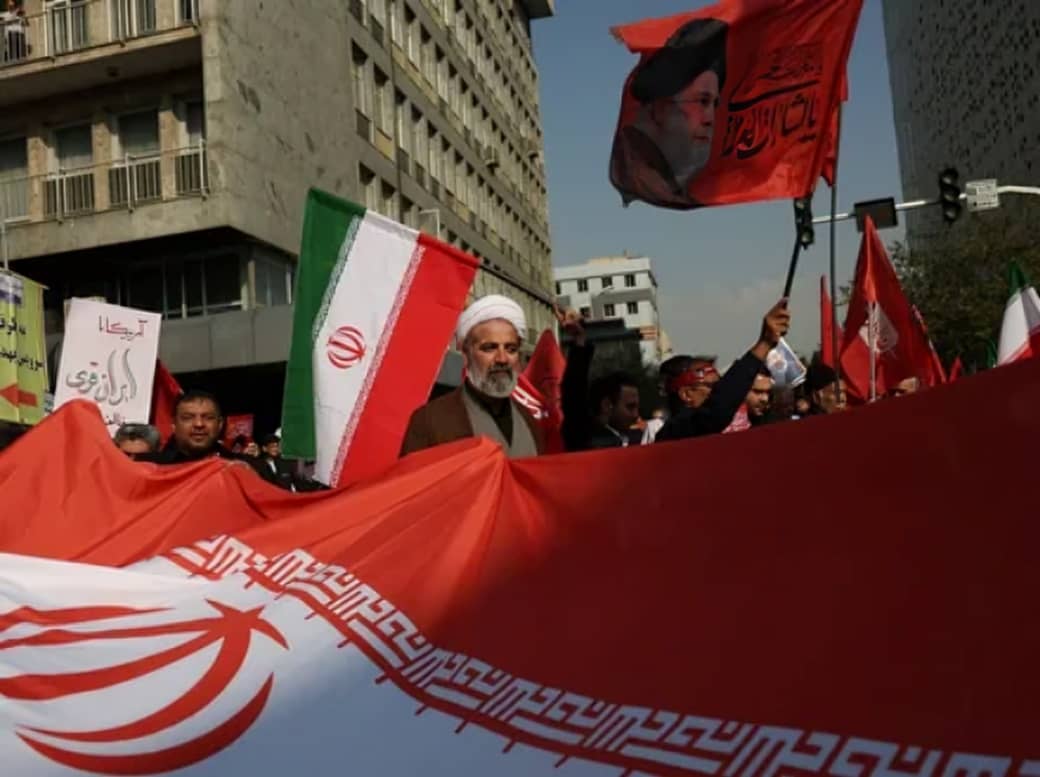
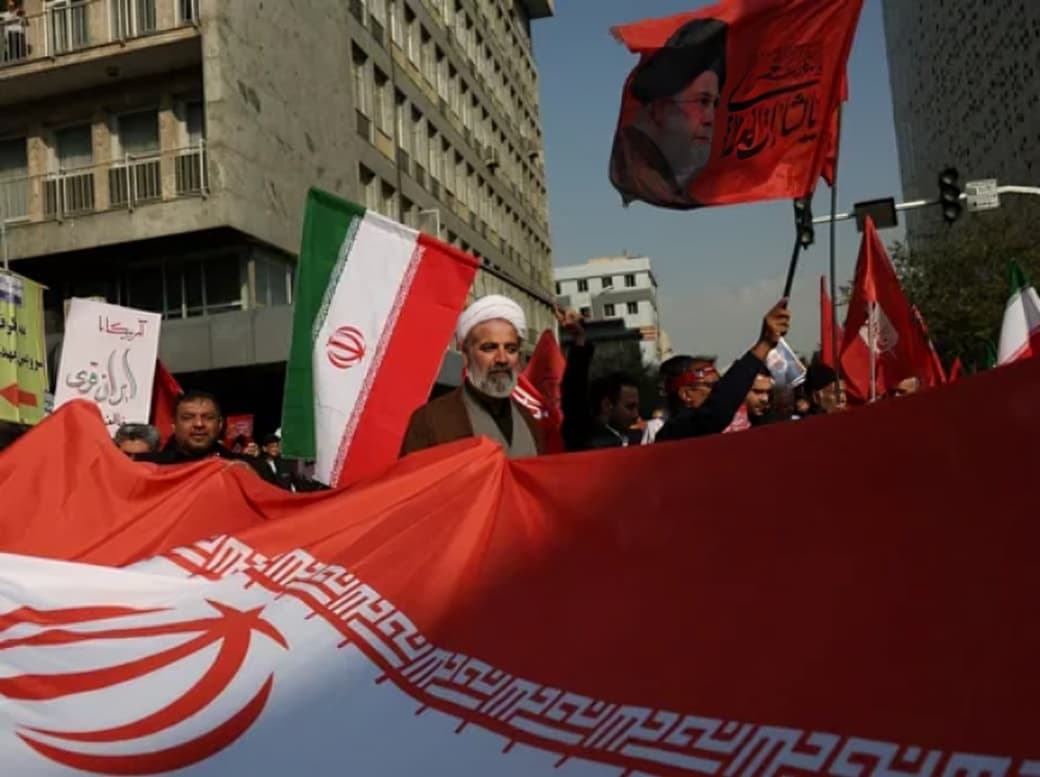
Iran has reportedly sent a new nuclear proposal to the United States through Qatar, but Tehran has made it clear that negotiations will depend on Washington meeting seven conditions. The development comes as diplomatic efforts continue to reduce tensions between the two countries and prevent further military escalation in the Middle East.
A senior Iranian official told Reuters on November 5 that the proposal had been transmitted through Qatar. The official said Washington was reviewing the document but did not reveal its complete contents. The announcement has brought renewed attention to diplomatic efforts aimed at resolving the conflict between Iran and the United States.
Iran's position is that the US must fulfil its demands before formal negotiations can move forward. The conditions reportedly include the removal of American sanctions, the release of frozen Iranian assets and payment of war reparations. Tehran has also connected the reopening of the strategically important Strait of Hormuz to the fulfilment of its demands.
Iran Makes Seven Demands Before Nuclear Talks
Iran's top security official, Mohsen Rezaei, reiterated the country's position during a visit to Russia. He said Tehran had already communicated seven conditions to Washington and would not resume negotiations or reopen the Strait of Hormuz until those demands were addressed.
The three demands identified in the available reports are the lifting of US sanctions, the release of frozen Iranian assets and the payment of war reparations. The reports do not provide a complete list of all seven conditions. Therefore, the remaining demands should not be assumed without further official clarification.
Iran's position suggests that it wants broader political and economic issues addressed alongside discussions about its nuclear programme. Tehran appears to be linking progress on diplomacy with changes to the restrictions and measures imposed by Washington.
The proposal's full details have not been made public. It is also unclear whether the United States will accept Iran's conditions or seek changes before agreeing to further discussions.
Qatar Plays a Role in Diplomatic Communication
Qatar has emerged as an important intermediary in communication between Iran and the United States. The latest proposal was reportedly delivered through Qatar, allowing the two countries to exchange diplomatic messages without relying entirely on direct negotiations.
Regional mediators have been working to prevent the conflict from escalating further. Qatar's involvement reflects the importance of diplomatic channels in situations where direct engagement between governments remains difficult.
The use of an intermediary can help both sides communicate their positions, exchange proposals and explore possible compromises. However, transmitting a proposal does not mean that an agreement has been reached.
The United States is reportedly reviewing Iran's latest proposal. The next stage will depend on Washington's response and whether both sides can find common ground on the conditions required to restart negotiations.
Strait of Hormuz Becomes a Key Issue
The Strait of Hormuz is a strategically important waterway connecting the Persian Gulf with the Gulf of Oman and the wider international shipping network. It is a major route for global energy transportation, making any disruption a concern for international markets and energy security.
Iran has linked the reopening of the strait to the fulfilment of its seven conditions. This has added an important economic and regional dimension to the diplomatic dispute.
Restrictions or disruption affecting shipping through the Strait of Hormuz can create uncertainty for oil transportation and international trade. Countries that depend on energy supplies passing through the region closely monitor developments involving the waterway.
The issue is therefore not limited to relations between Washington and Tehran. Any prolonged disruption could affect energy markets, shipping costs and the wider global economy.
Iran's decision to make the strait part of its negotiating position increases the importance of finding a diplomatic solution. However, the United States and Iran have not yet reached an agreement on the conditions required for reopening the waterway.
Trump Warns of Possible Renewed Military Action
US President Donald Trump has not ruled out the possibility of renewed military operations against Iran. His position has raised concerns that the conflict could escalate again if diplomatic efforts fail.
The possibility of further military action has become a major concern for regional governments and international mediators. Any renewed confrontation could create additional security risks across the Middle East and affect countries connected to the conflict.
Iran has also warned that it could expand its retaliation if fighting resumes. This exchange of warnings has increased uncertainty over whether the two sides will prioritise negotiations or return to military action.
The latest proposal therefore comes at a sensitive moment. While Iran has opened another channel for diplomatic communication, its conditions remain a major obstacle. Washington, meanwhile, continues to insist that nuclear issues must be included in any initial negotiations.
US and Iran Face Differences Over the Negotiation Process
One of the main challenges is the difference between the priorities of the two governments. Iran wants Washington to meet its seven demands before negotiations begin. The United States, on the other hand, has maintained that nuclear issues must form part of the initial discussions.
This difference could complicate efforts to reach an agreement. If both sides insist that the other must make the first move, negotiations may face further delays.
The US review of Iran's proposal could provide an opportunity to clarify the positions of both governments. However, the outcome will depend on whether Washington is prepared to consider Tehran's demands and whether Iran is willing to engage in discussions on the nuclear issue.
The involvement of Qatar and other regional mediators may help maintain communication during this difficult period. Nevertheless, diplomatic progress will require concessions and a willingness from both sides to address the main points of disagreement.
What Happens Next?
The immediate focus is on the US response to the proposal delivered through Qatar. Washington is reviewing the document, but the full terms have not been publicly disclosed.
Iran has made its position clear by linking negotiations and the reopening of the Strait of Hormuz to the fulfilment of its conditions. The United States must now decide how to respond while maintaining its position that nuclear issues should be included in the talks.
The possibility of renewed military action remains another major concern. If diplomatic efforts fail, tensions could increase and create further uncertainty across the Middle East.
For now, Iran's proposal represents another attempt to establish a diplomatic path between Tehran and Washington. However, the seven conditions, differences over nuclear negotiations and continuing military threats remain significant obstacles.