Iran Threatens Gulf Energy and Digital Infrastructure if US-Israel Strikes Resume
Iran has warned that critical infrastructure across the Gulf could become targets if the United States and Israel launch another round of military strikes against Iranian territory. The threats include oil facilities, undersea communication cables, data centres and artificial intelligence infrastructure, raising concerns about the potential impact of a renewed conflict on regional security and the global economy.
Mohsen Rezaei, secretary of Iran’s Supreme National Security Council, said that a future conflict could lead to attacks on facilities linked to US economic and technological interests in the region. His remarks were reported by international media on October 22, 2026, amid growing concerns that Washington and Tel Aviv could resume military operations against Iran.
Iranian officials have argued that a new attack on the country would prompt a broader response. The warnings suggest that Tehran could seek to extend the consequences of a conflict beyond conventional military targets to energy infrastructure and the digital networks that support businesses, financial services and communications.
The statements remain threats rather than confirmation that a new attack has been ordered or that the listed facilities have been targeted in this latest round of warnings.
Oil Facilities and Energy Supplies at Risk
Oil installations are among the most strategically important facilities in the Gulf region. Several countries in the area are major producers and exporters of crude oil and natural gas, making their energy infrastructure essential to international markets.
Iran’s warning has renewed concerns about the security of oil fields, refineries, export terminals and other energy-related facilities if hostilities resume. Damage to these assets could interrupt production, delay shipments and increase uncertainty over the availability of energy supplies.
The Strait of Hormuz is particularly important because it connects the Persian Gulf with the Gulf of Oman and international shipping routes. A significant volume of the world’s seaborne oil trade passes through this narrow waterway.
Any disruption to shipping or energy infrastructure in the area could affect oil prices, shipping insurance costs and the operating expenses of companies transporting fuel. The consequences could extend beyond the Middle East, affecting countries that depend on imported energy.
However, the extent of any future disruption would depend on the scale and duration of a conflict, the facilities affected and the ability of producers and shipping companies to use alternative routes.
Iran Warns of Possible Attacks on Undersea Internet Cables
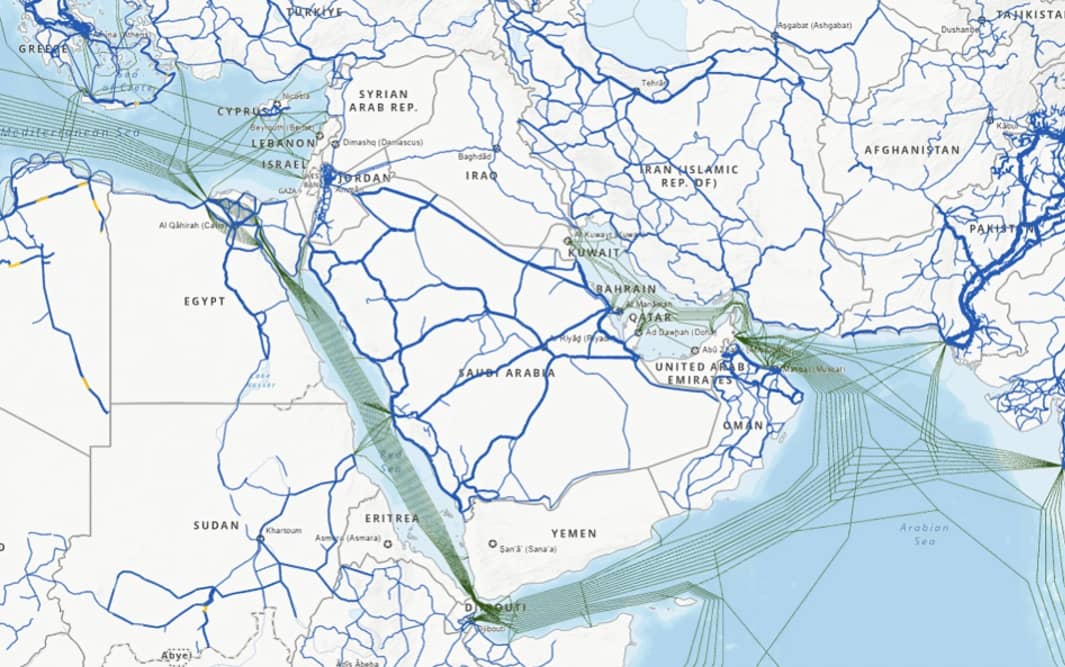
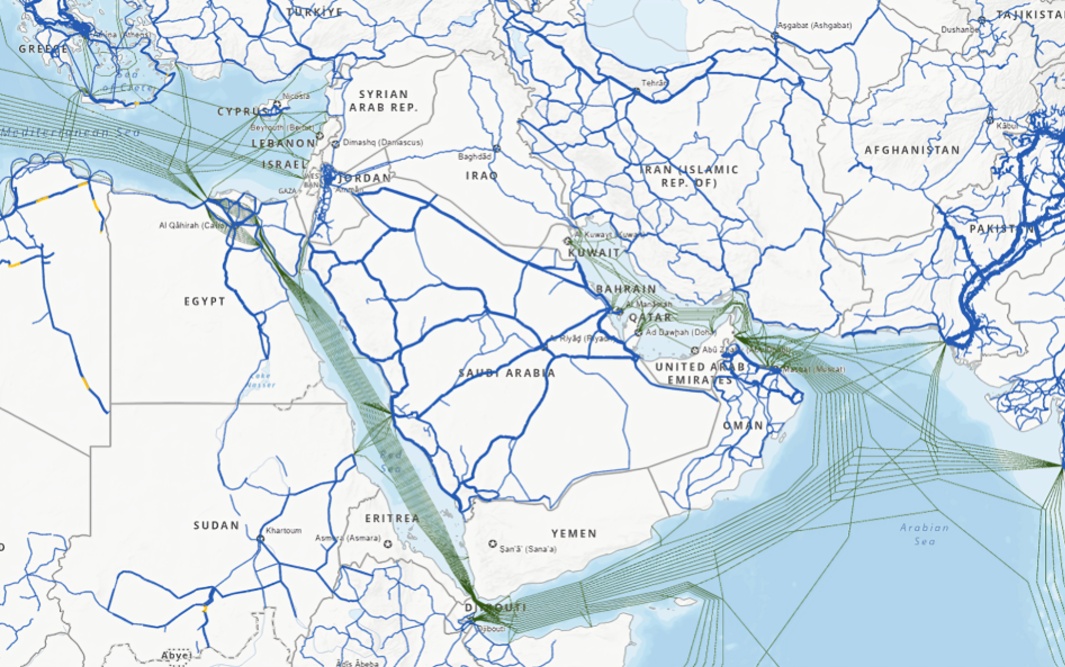
Iranian officials have also threatened to target undersea communication cables if Iranian infrastructure comes under attack. These cables form a major part of the global telecommunications system, carrying data between countries and supporting internet access, cloud computing, financial transactions and international business operations.
Brigadier General Yadollah Javani, the political deputy of Iran’s Islamic Revolutionary Guard Corps, warned that undersea internet cables passing through the Strait of Hormuz would not be safe if Iranian infrastructure were attacked, according to a report by Rudaw published on October 21.
The warning followed earlier statements by Rezaei about cables and other digital infrastructure. Together, the remarks have increased concerns that a renewed conflict could threaten assets that are essential to both regional and international connectivity.
Undersea cables are vulnerable to physical damage from anchors, accidents and deliberate interference. Repair work can be difficult when security conditions deteriorate, particularly if vessels and specialist repair crews cannot safely access damaged sections.
A cable disruption would not necessarily disconnect the entire world from the internet. International data traffic uses multiple cable systems and alternative routes. However, damage to important regional connections could slow services, increase network congestion and disrupt connectivity for businesses and consumers in affected countries.
Data Centres and Artificial Intelligence Facilities
Iran’s warnings also identify data centres and artificial intelligence facilities as potential targets. These sites support digital services used by technology companies, financial institutions, government agencies and businesses across the Gulf.
Data centres house servers and networking equipment used for cloud storage, online applications, artificial intelligence workloads and data processing. They depend on reliable electricity, cooling systems and communication links to operate continuously.
A strike that damages a data centre or interrupts its power and network connections could affect more than the physical building. Depending on the systems involved, the disruption could affect online services, business operations and the availability of data hosted at the facility.
The Gulf states have invested heavily in technology infrastructure and artificial intelligence as part of broader plans to diversify their economies. International technology companies have also expanded their presence in the region, making digital infrastructure an increasingly important part of the Gulf economy.
The potential targeting of these facilities therefore adds a technological dimension to the current security concerns. Analysts have warned that damage to a relatively small number of strategically important sites could create wider economic and operational consequences.
Why the Threat Matters to Gulf Countries
The countries surrounding the Persian Gulf are closely connected through energy trade, shipping, telecommunications and financial services. A conflict that affects these systems could have consequences across national borders.
Oil producers could face interruptions to exports, while shipping companies might need to reroute vessels or pay higher insurance premiums. Damage to undersea cables could affect internet connectivity, and attacks on data centres could disrupt digital services used by companies and consumers.
The impact would not be limited to countries directly involved in military operations. International supply chains rely on stable energy markets and dependable communication networks. Prolonged disruption could increase costs for businesses and place additional pressure on consumers.
The Gulf states therefore have a strong interest in preventing a wider regional conflict. Their governments must balance security concerns with the need to protect civilian infrastructure, maintain trade and avoid disruptions to essential services.
Rising Concerns About Renewed US-Israel Military Action
The Iranian warnings come amid reports that the United States and Israel have discussed the possibility of further military action against Iran. Reports about potential plans have fuelled uncertainty, although the existence of such discussions does not establish that a new offensive has been formally authorised.
Iranian officials have described the possibility of renewed strikes as a serious threat and said their response could extend across a wider geographical area. The statements appear intended to warn Washington and its partners that another attack could carry consequences beyond Iran’s borders.
The United States and Israel have not, through the reports cited here, confirmed a new operation matching the scenario described by Iranian officials. The situation remains fluid, and diplomatic efforts to prevent renewed fighting remain important.
A further escalation could place pressure on regional governments, increase the risk to civilian infrastructure and complicate efforts to restore stability in the Middle East.
Diplomatic Efforts and the Road Ahead
The latest warnings underline the need for diplomatic efforts to reduce tensions and prevent attacks on critical infrastructure. Energy facilities, communication cables and data centres support civilian and commercial activity, and damage to these systems could affect millions of people.
Governments in the region are likely to continue monitoring developments and assessing the security of important infrastructure. Technology companies, energy operators and telecommunications providers may also review contingency plans for power disruptions, network failures and interruptions to supply routes.
The immediate concern is whether diplomatic channels can prevent another round of military action. If hostilities resume, the threats issued by Iranian officials could become a major factor in assessing the potential risks to energy markets, shipping and digital services.
For now, Iran’s statements represent warnings about what it says could happen in the event of renewed US and Israeli strikes. Whether the threats lead to further military action remains uncertain. The situation will depend on decisions by the governments involved, developments on the ground and the prospects for diplomatic engagement.