Russia Intensifies Attacks on Kyiv Amid Renewed Peace Efforts
Russia launched a major missile and drone assault on Kyiv and other Ukrainian regions overnight on October 21–22, 2026, according to Ukrainian authorities. The attack damaged residential buildings, transport infrastructure, medical facilities and other civilian sites in the Ukrainian capital. The strikes came as the United States continued diplomatic efforts to restart negotiations aimed at ending the Russia-Ukraine war.
Ukrainian President Volodymyr Zelenskyy said Russia used three ballistic missiles carrying cluster warheads during the attack on Kyiv. He accused Moscow of employing weapons capable of causing widespread damage in populated areas. The allegations have intensified concerns about civilian protection as fighting continues despite renewed diplomatic discussions.
Casualty figures varied across reports published on October 22. Ukrainian officials reported deaths and dozens of injuries in Kyiv and other affected areas, including children among the injured. Authorities continued to assess damage and respond to emergencies following the overnight bombardment.
Ukraine Reports Use of Cluster Warheads
Zelenskyy said three ballistic missiles used in the attack on Kyiv carried cluster warheads. These weapons release multiple smaller explosive devices over an area rather than relying on a single point of impact. Their effects can extend across a wide area, creating particular risks for civilians when used near homes, businesses and public facilities.
According to Ukrainian officials, one of the missiles struck the Pechersk district in the historic centre of Kyiv. The impact reportedly damaged buildings near religious sites, including the Kyiv-Pechersk Lavra area, as well as homes, shops, cafes and other infrastructure.
The use of cluster munitions in populated areas raises serious humanitarian concerns because the smaller explosive devices can spread over a broad area. Some bomblets may fail to explode immediately, creating additional danger for civilians and emergency workers after an attack.
The claim that cluster warheads were used in the latest strike was made by Ukrainian officials. Independent verification of the precise weapons used and the circumstances of each impact remains important in assessing the incident.
Casualties and Damage in Kyiv
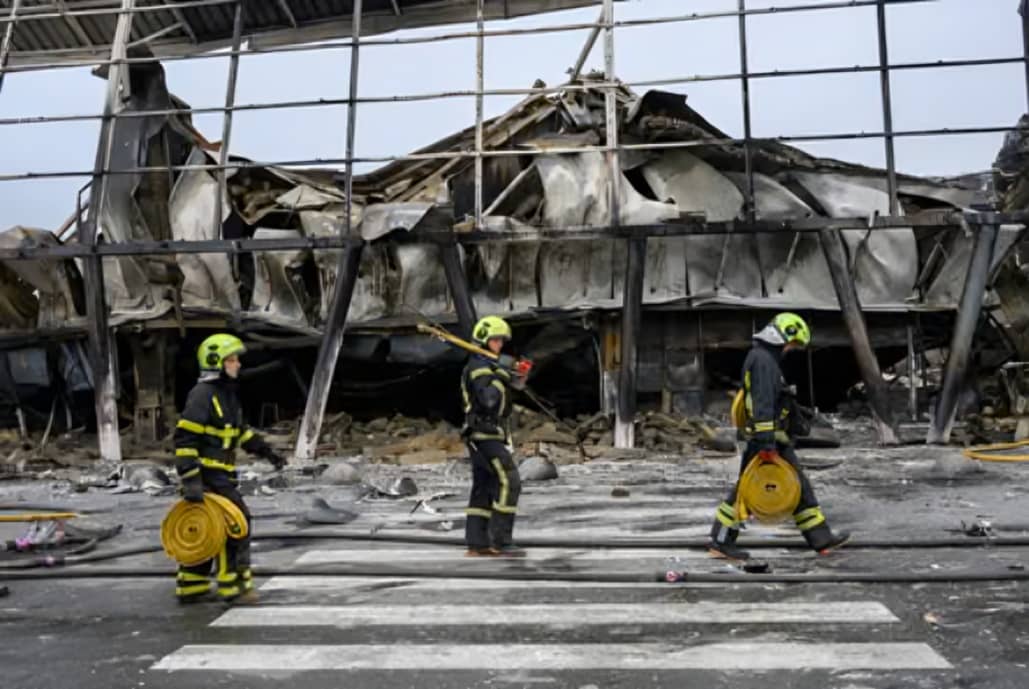
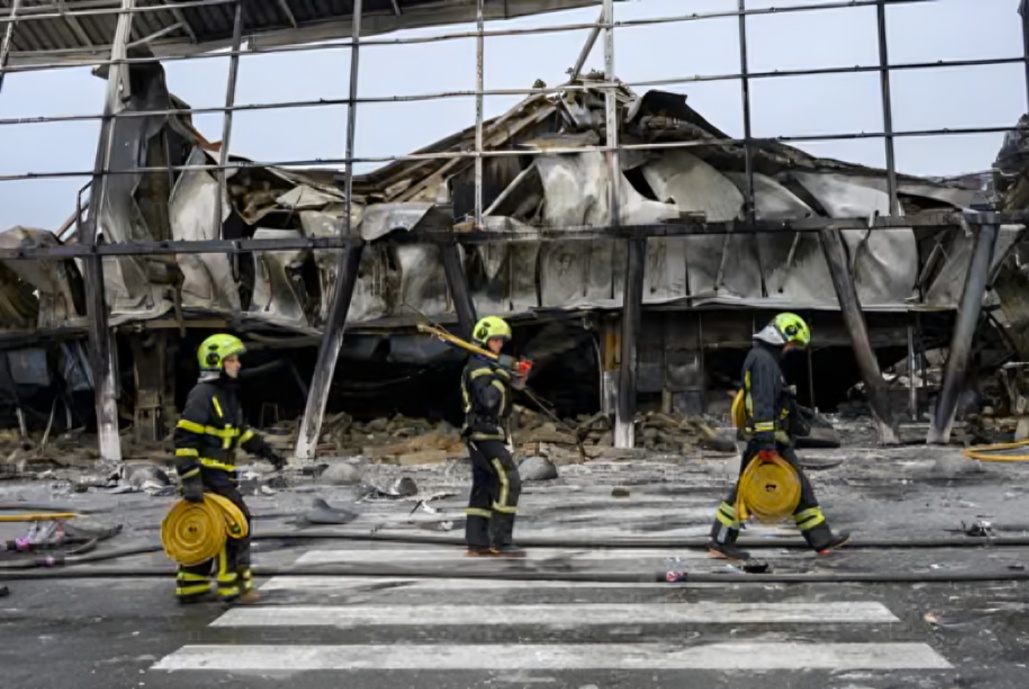
The overnight assault caused casualties and damaged infrastructure in several parts of Kyiv. Ukrainian authorities reported that residential neighbourhoods and facilities used by civilians were affected. Emergency workers were dispatched to damaged locations to assist residents, assess buildings and respond to fires and other hazards.
Reports published on October 22 gave differing casualty figures as information developed. Zelenskyy cited at least two deaths and 34 injuries across the affected areas, including five children. Other reports carried different initial figures for Kyiv itself. These numbers may change as authorities complete their assessments and provide further updates.
The damage extended beyond residential buildings. Reports described impacts on medical facilities, an ambulance station, transport infrastructure, commercial premises and historic buildings. Damage to essential services can complicate emergency response and disrupt daily life for residents.
Air attacks also create continuing risks after the initial explosions. Falling debris, fires, damaged power systems and unexploded weapons can make affected areas unsafe. Local emergency services must secure damaged sites while helping residents reach shelter and obtain medical treatment.
Attacks Beyond the Capital
The missile and drone assault was not limited to Kyiv. Ukrainian authorities reported attacks and casualties in other parts of the country, adding to concerns about the wider impact of Russia’s aerial campaign.
The conflict has repeatedly affected cities and towns far from the front line. Missile and drone attacks can damage homes, energy facilities, industrial sites and transport networks, putting civilians at risk and placing additional pressure on emergency services.
Ukraine has sought stronger air-defence capabilities from its international partners to protect cities against ballistic missiles and drones. Ukrainian officials have warned that shortages of advanced interceptors make it difficult to stop every incoming weapon, particularly during large attacks involving several types of missiles and unmanned aircraft.
The latest assault has renewed calls for continued international support for Ukraine’s air defences. It has also highlighted the challenges facing countries attempting to protect civilian infrastructure during a prolonged war.
US Efforts to Restart Peace Negotiations
The attack came shortly after US special envoy Steve Witkoff met Russian President Vladimir Putin in St Petersburg. Following the meeting, Russian officials indicated that Putin had agreed in principle to resume trilateral negotiations involving Russia, Ukraine and the United States after November 10.
The proposed talks represent another attempt to revive diplomacy after previous efforts failed to produce a lasting ceasefire. The United States has been working to bring the parties back to negotiations, although major disagreements remain over territory, security arrangements and the terms of any settlement.
Ukrainian officials have expressed caution about the prospects for renewed negotiations while Russian attacks continue. Kyiv has repeatedly called for stronger international pressure on Moscow and measures that would protect civilians from further bombardment.
The timing of the latest attack has raised questions about whether diplomatic discussions can make progress while military operations continue. However, the agreement to consider further talks does not itself establish that a ceasefire has been reached or that the parties have agreed on the terms of a settlement.
Challenges to Achieving a Ceasefire
The Russia-Ukraine war has continued despite repeated international efforts to reduce hostilities. The two sides remain divided over territory, military security and the political conditions required for a lasting agreement.
Ukraine has called for security guarantees and stronger protection against future attacks. Russia has maintained its own demands regarding the conflict’s outcome. These differences have complicated negotiations and limited the prospects for a rapid settlement.
Continued attacks on cities and civilian infrastructure also increase the humanitarian cost of the war. Residents face repeated air-raid alerts, damage to homes and interruptions to essential services. As colder weather approaches, strikes affecting energy facilities could create additional challenges for heating and electricity supplies.
International governments and humanitarian organisations continue to emphasise the importance of protecting civilians and ensuring access to emergency assistance. Investigations into alleged violations of international humanitarian law require reliable evidence and careful assessment of the circumstances of each attack.
What Happens Next?
The immediate priorities following the latest assault include assisting injured residents, inspecting damaged buildings, restoring essential services and assessing the full scale of the destruction. Ukrainian authorities are also likely to continue seeking additional air-defence support from international partners.
On the diplomatic front, attention will focus on whether Russia, Ukraine and the United States proceed with the proposed talks after November 10. The timing, format and agenda of any meeting remain important questions, and the reported agreement to resume negotiations should not be mistaken for a confirmed peace deal.
The latest attack demonstrates the difficulty of separating diplomatic progress from developments on the battlefield. While efforts to restart negotiations continue, civilians in Kyiv and other Ukrainian communities remain exposed to the risks of missile and drone strikes.
Further official updates are expected to clarify casualty figures, damage assessments and the status of future negotiations. Until more information becomes available, claims about specific weapons and responsibility for individual strikes should remain clearly attributed to the officials and organisations reporting them.