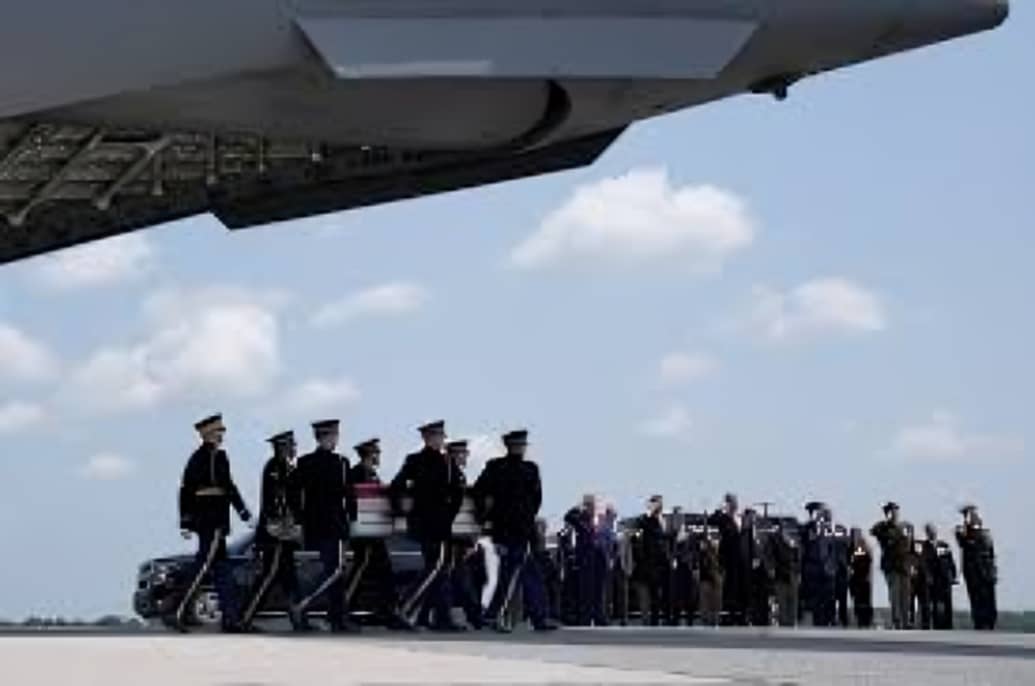
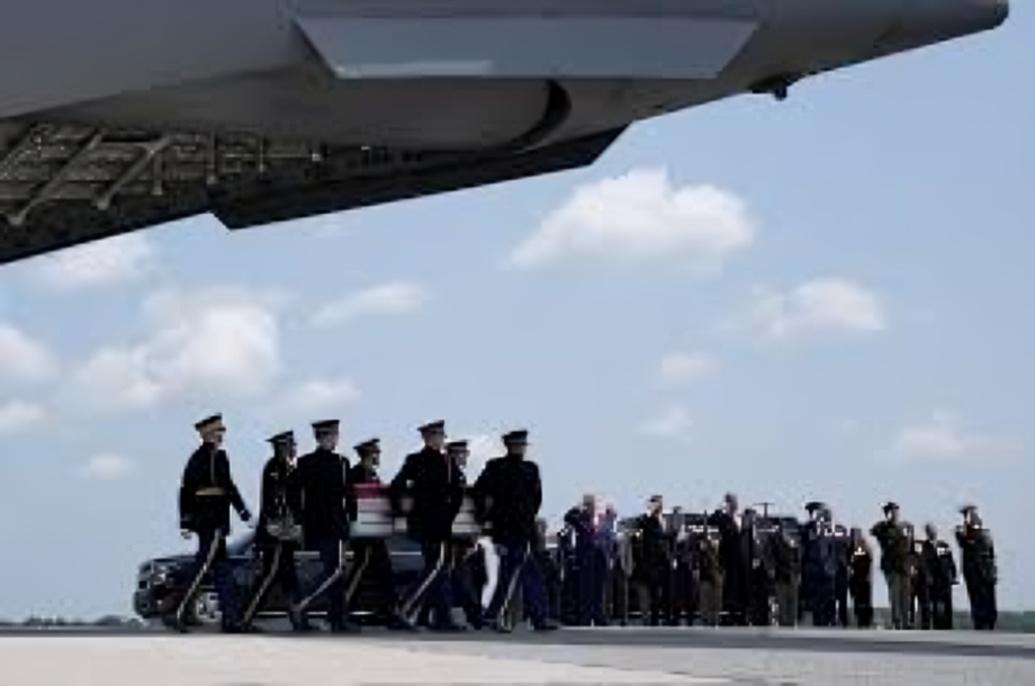
The human cost of the ongoing US Iran conflict has continued to rise, with the latest reported Pentagon casualty figures showing 18 US service members killed and more than 750 wounded since the war began on February 28.
The latest figures have attracted attention because the US Department of Defense has changed the way it records and presents casualties from the conflict. The Pentagon has used separate categories to account for casualties from different phases of the war, making it necessary to combine figures from multiple sections of the Defense Casualty Analysis System to understand the overall toll.
The conflict began on February 28, when the United States and Israel launched military strikes against Iran. Since then, American forces stationed across the Middle East have faced Iranian missile and drone attacks, resulting in deaths and injuries among US personnel.
Earlier Pentagon figures showed 18 US service members killed and more than 600 wounded. The Defense Department subsequently introduced an additional category for casualties recorded from July 7, when fighting intensified again following the collapse of an earlier ceasefire arrangement. That category initially recorded four deaths and 207 injuries. When combined with the earlier Operation Epic Fury figures, the overall total reached 18 deaths and 624 injuries.
More recent reports have put the number of wounded US personnel above 750. The latest reported figure is 757 wounded and 18 killed. However, the Pentagon's casualty database has previously undergone revisions, meaning that the numbers should be treated as figures reported through the department's evolving casualty tracking system.
The changes to the casualty database have generated questions because the Pentagon previously reduced the number of recorded deaths from 18 to 14 before restoring the missing casualties through a separate reporting category. Pentagon officials attributed the discrepancies to technical problems with the public casualty reporting system.
The casualties have occurred during a period of continuing military confrontation between Washington and Tehran. US forces have been deployed at military installations across the region, many of which have been targeted by Iranian missiles and drones.
The rise in US casualties illustrates the risks faced by American personnel even as Washington has continued military operations against Iran. Some service members have suffered injuries during attacks on bases, while others have been killed in strikes in countries including Jordan and Iraq.
The latest casualty numbers also come amid continuing diplomatic uncertainty. The conflict has involved repeated efforts to establish ceasefire arrangements, but renewed fighting has prevented a lasting settlement.
The broader conflict has created consequences well beyond military casualties. Attacks and disruptions in the Middle East have affected commercial shipping, energy infrastructure and international trade. The Strait of Hormuz remains particularly important because it is a major route for global oil and gas transportation.
The war has therefore created concerns for governments and businesses around the world. Any prolonged disruption to energy supplies could influence crude oil prices, inflation and transportation costs.
For the United States, the growing number of casualties has also increased political and public attention on the cost of the military campaign. The Pentagon's casualty reporting is consequently being closely monitored by lawmakers, journalists and the public.
The changing reporting methodology is an important factor when comparing casualty figures published at different times. The Pentagon's separate categories mean that figures cannot always be compared directly without examining the period and category covered by each update.
The current reported total of 18 deaths and more than 750 wounded represents a significant increase from the casualty figures available earlier in the conflict. The exact number may continue to change as the Pentagon updates its database and reviews previously recorded cases.
The latest development highlights both the human cost of the conflict and the continuing uncertainty surrounding official casualty reporting. As military operations and diplomatic efforts continue, the number of US personnel killed or wounded is likely to remain an important measure of the conflict's impact.
For accurate reporting, casualty figures should therefore be attributed directly to Pentagon data and dated, particularly because the Defense Department has revised its reporting categories during the conflict.
The reported toll of 18 deaths and more than 750 wounded marks another significant development in the US Iran war and underlines the continuing risks faced by American service members deployed in the region.