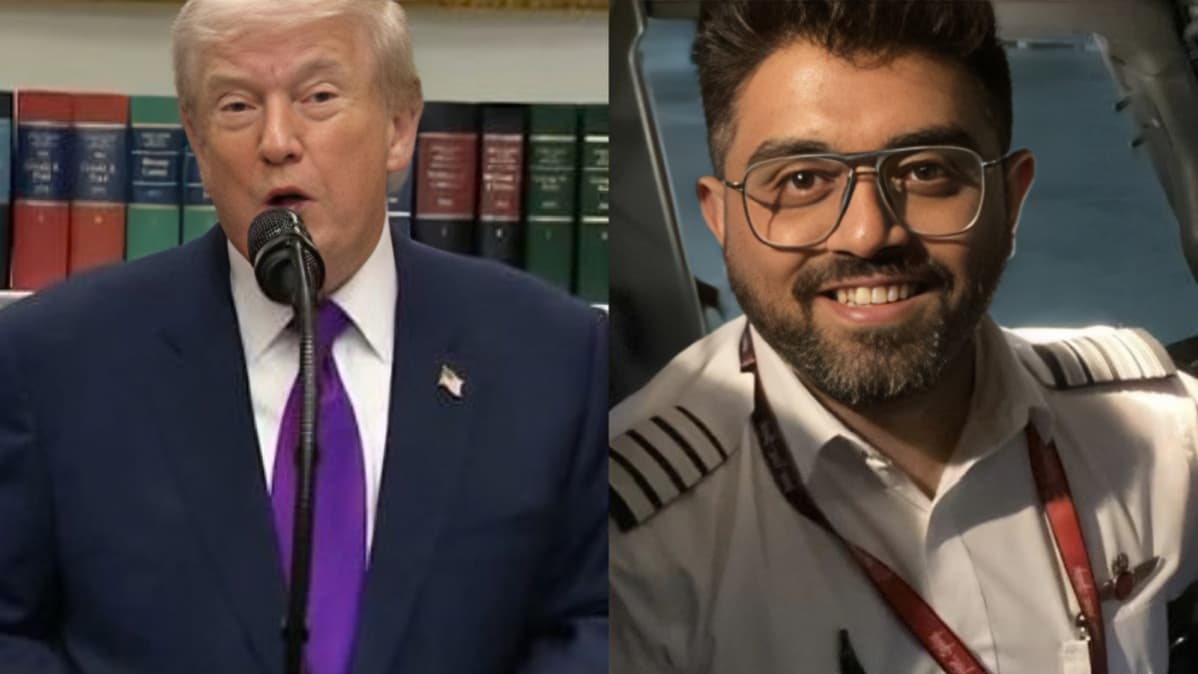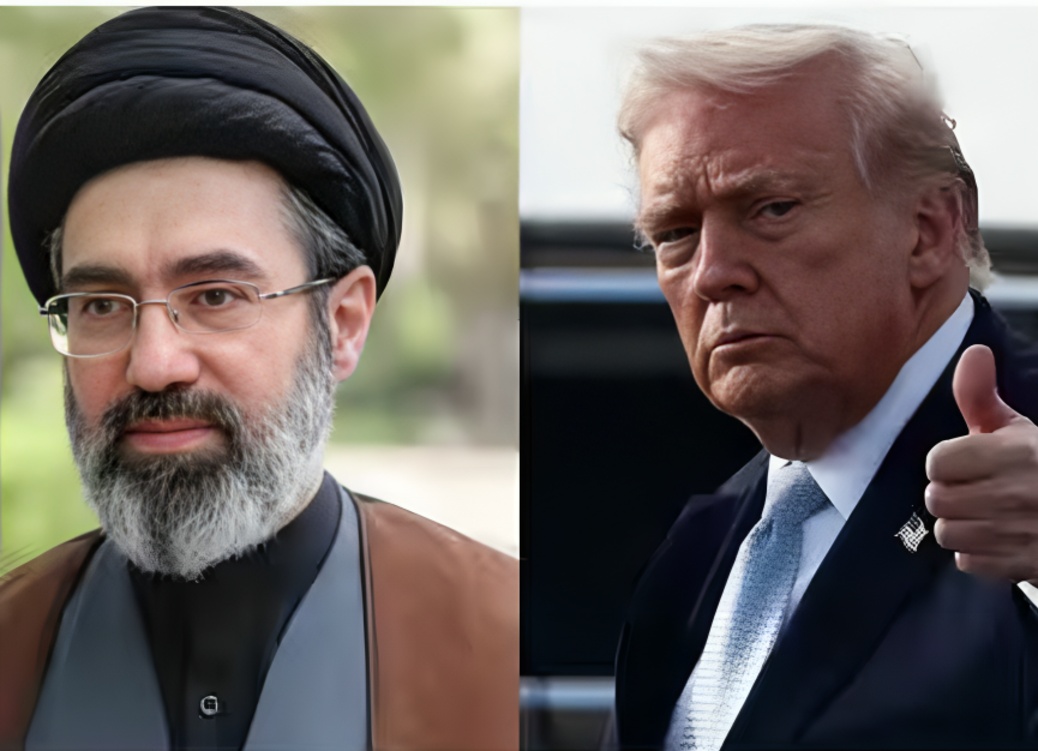
Tensions between Iran and the United States have risen sharply after Tehran warned that it could shift to a fully offensive military posture if diplomatic efforts fail, while US President Donald Trump ruled out extending the existing ceasefire framework.
The latest developments have created fresh uncertainty over the future of the conflict and the possibility of renewed military escalation in the Middle East. The situation is particularly significant because of the continuing dispute over the Strait of Hormuz, one of the world's most important energy shipping routes.
A senior Iranian official told Reuters that Tehran could move from a defensive position to a fully offensive posture if efforts to reach a permanent settlement with Washington remain unsuccessful. The warning indicates that Iran is prepared to consider further military action if diplomatic channels fail.
The statement came as negotiations between the United States and Iran appeared to have reached an impasse. The two countries have disagreed over several major issues, including sanctions, Iran's nuclear programme, the presence of US forces in the region and the status of the Strait of Hormuz.
Trump, meanwhile, has said he does not intend to extend the interim ceasefire arrangement. The 60 day period associated with the June agreement expired without producing a broader peace settlement. Washington and Tehran have also offered differing interpretations of what the agreement required and when its provisions would expire.
The disagreement over Hormuz has become one of the most difficult obstacles in the diplomatic process.
The Strait of Hormuz connects the Persian Gulf with the Gulf of Oman and the Arabian Sea. A significant share of the world's oil trade passes through the waterway, making any disruption potentially important for global energy markets.
The conflict has already sharply reduced normal shipping activity through the strait. Reports indicate that only a small number of commercial vessels have been able to pass through compared with normal traffic levels. This has increased concerns among oil traders, shipping companies and governments that prolonged restrictions could further affect energy supplies.
The energy market has reacted to the latest escalation in diplomatic tensions. Brent crude prices moved above 90 dollars a barrel on Tuesday as investors assessed the possibility of continued disruption in the Middle East. The market remains highly sensitive to developments involving Hormuz because of the volume of oil that normally passes through the waterway.
A prolonged disruption could have consequences beyond crude oil prices. Higher shipping insurance costs, increased transportation expenses and more expensive fuel could affect businesses and consumers in countries that depend heavily on imported energy.
India is particularly sensitive to developments in the Gulf because it imports a large share of its crude oil requirements. Any sustained increase in international oil prices could raise the cost of importing energy and place pressure on domestic fuel and transportation costs.
However, the eventual impact on Indian consumers would depend on several factors, including the duration of the disruption, global crude availability, the rupee dollar exchange rate and the pricing policies followed by domestic fuel companies.
For international markets, the most immediate concern is whether the Strait of Hormuz can return to normal commercial traffic.
The United States has continued to demand changes in Iran's position, while Tehran has insisted on conditions that include an end to the blockade and broader changes in US policy. The two sides remain far apart on several of the key issues.
Iran has also disputed Washington's interpretation of the 60 day arrangement. Iranian officials have argued that the period was intended to provide time for discussions rather than serve as an automatic deadline terminating the agreement.
This disagreement over the interpretation of the agreement adds another layer of uncertainty to the diplomatic process.
The possibility of renewed negotiations has not disappeared entirely. Regional countries and other diplomatic actors have continued to encourage Washington and Tehran to return to negotiations.
Oman has played an important role in regional diplomacy and has been involved in efforts to facilitate communication between Iran and the United States. However, recent tensions involving Oman have complicated the diplomatic environment.
Trump has publicly criticised countries that he believes are interfering with his efforts to resolve the conflict. His remarks about Oman have further increased uncertainty surrounding regional mediation efforts.
The situation has also raised concerns about the possibility of a broader regional conflict.
Iran has military capabilities that could be used against US interests and shipping in the region. The United States, meanwhile, maintains significant military forces across the Middle East. Any direct confrontation could therefore involve multiple countries and military facilities.
At the same time, neither side has indicated that it wants an uncontrolled escalation. Diplomatic channels remain important because a prolonged conflict would impose significant economic and military costs on both countries.
For Iran, continued restrictions on oil exports and international trade would add pressure to an economy already affected by sanctions and war-related damage.
For the United States, a prolonged military confrontation could require additional resources and increase pressure on American forces deployed throughout the region.
The situation therefore involves a difficult balance between military pressure and diplomatic negotiations.
The Strait of Hormuz remains at the centre of that balance. Iran has sought to maintain influence over the waterway, while the United States has insisted that international shipping should be able to pass freely.
Any prolonged restriction on the movement of oil tankers could cause a significant increase in global energy prices. Analysts have warned that an extended closure or severe disruption would create a much larger shock for international markets than the current rise in prices.
For consumers, the consequences could include higher petrol, diesel and aviation fuel costs. Industries that depend heavily on petroleum products could also face increased production and transportation expenses.
Airlines, shipping companies and manufacturers could be particularly exposed if fuel prices remain elevated for an extended period.
Governments in major energy importing countries are therefore closely monitoring developments. Countries in Asia, including India, China, Japan and South Korea, have strong economic interests in maintaining uninterrupted Gulf energy supplies.
The current situation also creates uncertainty for global financial markets. Investors generally react negatively to prolonged geopolitical risks because they can affect inflation, interest rates, corporate earnings and economic growth.
If oil prices remain above 90 dollars a barrel for a prolonged period, central banks could face additional inflationary pressure. That could complicate monetary policy decisions in major economies.
Nevertheless, the current price movement does not necessarily mean that oil prices will continue rising indefinitely. Markets can respond quickly if diplomatic progress is made or if shipping through Hormuz begins returning to normal.
The next major development will likely depend on whether Washington and Tehran can reopen meaningful diplomatic discussions.
If negotiations resume, tensions could ease and oil prices could decline from their recent highs. If diplomacy collapses completely and Iran implements its warning of a more offensive posture, the risk of further military escalation would increase.
The uncertainty is particularly high because both countries have adopted increasingly firm public positions.
Trump has rejected extending the ceasefire framework, while Iranian officials have warned of military escalation if diplomacy fails. These positions leave little room for immediate compromise, although behind the scenes diplomatic communication may continue.
The expiration of the 60 day period has therefore become an important turning point in the conflict.
The original understanding was intended to create space for Washington and Tehran to work towards a longer term settlement. Instead, the two sides have remained divided over the fundamental issues that caused the conflict in the first place.
The future of the Strait of Hormuz will remain one of the most important indicators of whether the conflict is moving towards de-escalation or another phase of military confrontation.
For now, shipping activity remains disrupted and oil markets are responding to the increased risk.
The possibility of a fresh Iranian offensive does not automatically mean that a major military operation will begin immediately. Tehran's warning is also part of the broader pressure campaign aimed at influencing US policy and strengthening Iran's position in negotiations.
Similarly, Trump's rejection of a ceasefire extension does not necessarily rule out future diplomatic talks. The United States could still pursue a new agreement if both sides identify conditions acceptable to their governments.
The coming days will therefore be important for regional security, global energy markets and international diplomacy.
For India, the key concern will be the effect on crude oil imports and domestic fuel prices. Any prolonged disruption in Gulf shipping could increase India's import bill and create additional inflationary pressure.
Overall, Iran's warning of a fully offensive military posture and Trump's rejection of a ceasefire extension have sharply reduced hopes for an immediate diplomatic breakthrough. The Strait of Hormuz remains the central flashpoint, with the potential to affect not only the Middle East but also global oil prices and energy security.