
Pezeshkian and Putin to Hold Talks in Moscow Amid West Asia Conflict
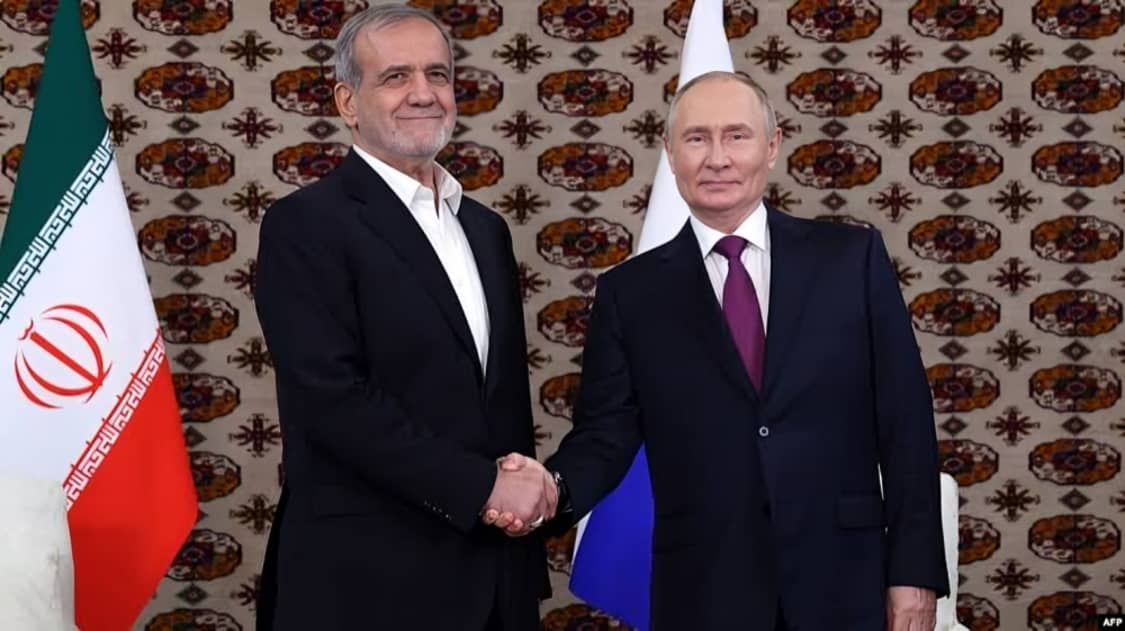
Iranian President Masoud Pezeshkian is scheduled to meet Russian President Vladimir Putin in Moscow next week, Iranian Foreign Minister Abbas Araghchi has announced. The meeting is expected to focus on strengthening bilateral relations, expanding political and economic cooperation and discussing regional and international developments amid continuing tensions in West Asia.
Araghchi said the upcoming presidential discussions would continue the consultations held during his recent meeting with Russian Foreign Minister Sergey Lavrov in Tehran. In statements shared through his social media channels, the Iranian foreign minister said the two sides had reviewed developments in their bilateral relationship and discussed ways to implement existing agreements and strengthen their comprehensive strategic partnership.
The planned meeting comes as Iran and Russia maintain close diplomatic contact over regional security, economic cooperation and the wider conflict involving Iran, the United States and Israel.
Recent Talks Between Iran and Russia
Lavrov visited Tehran earlier this week and held talks with Araghchi and Pezeshkian. The discussions covered bilateral relations and a range of regional and international issues, including developments in West Asia and Europe.
According to Araghchi, the talks focused on expanding political and economic cooperation, implementing agreements already reached by the two governments and protecting their shared interests. The ministers also stressed the importance of continuing consultations to support regional stability.
Araghchi described relations between Moscow and Tehran as closer than ever, reflecting the two governments' efforts to strengthen cooperation despite international pressure and sanctions. Russia has also reiterated its intention to maintain political and economic ties with Iran.
The upcoming meeting between the two presidents will bring these discussions to the highest level of government. It is expected to provide an opportunity to review the progress of existing agreements and determine areas where the countries may pursue further cooperation.
Meeting Scheduled Alongside Gas Exporters Summit
Pezeshkian is expected to travel to Moscow to attend a summit of gas-exporting countries scheduled for October 27, according to Iranian media reports citing Iran's ambassador to Russia, Kazem Jalali.
The planned visit will provide an opportunity for Pezeshkian and Putin to hold talks on economic cooperation and geopolitical developments. Energy is an important part of the relationship between the two countries, which both have significant natural gas resources and face restrictions affecting aspects of their international trade.
The leaders are expected to discuss the development of bilateral economic ties alongside wider political issues. However, the detailed agenda and any agreements that may emerge from the meeting will depend on official announcements from Tehran and Moscow.
The visit follows previous contacts between Pezeshkian and Putin, including their meeting on the sidelines of the Caspian Environmental Summit in Turkmenistan on October 8. The two leaders also held discussions during a summit in Kyrgyzstan in September.
Iran Russia Strategic Partnership
Iran and Russia signed a comprehensive strategic partnership treaty in Moscow in January 2025. The agreement provides a framework for cooperation in areas including politics, trade, energy, transport, security and defence.
The partnership has gained importance as both countries seek to deepen economic and diplomatic links. Their governments have continued discussions on trade, infrastructure projects and energy cooperation while addressing the effects of international sanctions.
Although the agreement strengthens the relationship between the two countries, it does not constitute a formal mutual-defence alliance. The scope of cooperation and any new commitments must therefore be understood through the treaty and subsequent official agreements rather than assumptions about automatic military support.
The Moscow meeting is expected to offer both governments an opportunity to review implementation of the partnership and identify further areas of collaboration.
West Asia Conflict on the Agenda
The planned meeting comes amid continuing tensions in West Asia and diplomatic efforts to prevent renewed fighting. Iran's relations with the United States and Israel remain a major factor in the regional security situation, while discussions about ceasefire arrangements and negotiations have faced significant challenges.
Russia has expressed willingness to support diplomatic efforts aimed at reducing tensions. During earlier talks with Pezeshkian, Putin said Moscow was prepared to help Iran address the crisis through diplomatic means.
The extent to which the Moscow meeting will influence the conflict remains uncertain. The discussions may allow the two governments to exchange assessments, coordinate diplomatic positions and consider ways to promote regional stability. Any specific mediation initiative or agreement, however, would require confirmation from the governments involved.
Economic Cooperation and Regional Diplomacy
Beyond the immediate conflict, Iran and Russia have interests in expanding trade, energy cooperation and transport links. Their leaders have previously discussed economic ties, and Putin has highlighted reported growth in bilateral trade.
Continued high-level engagement could help both governments review existing projects and address obstacles to implementation. The meeting may also cover international developments beyond West Asia, reflecting the broader scope of the strategic partnership.
For Iran, maintaining diplomatic engagement with Russia is one part of its wider foreign policy amid regional conflict and international sanctions. For Moscow, continued relations with Tehran form part of its engagement across the Middle East and its efforts to maintain influence in regional diplomacy.
What to Expect Next
The Pezeshkian Putin meeting is expected to continue the discussions held by the two foreign ministers in Tehran. The main areas of focus are likely to include bilateral cooperation, implementation of existing agreements and developments in West Asia.
The meeting will take place against a backdrop of uncertainty over regional security and diplomatic efforts to prevent further escalation. Whether it produces new agreements or a joint initiative will become clearer after official statements are released.
For now, the confirmed development is the announcement of a planned meeting next week. Its outcomes and any effect on the wider conflict remain to be seen.