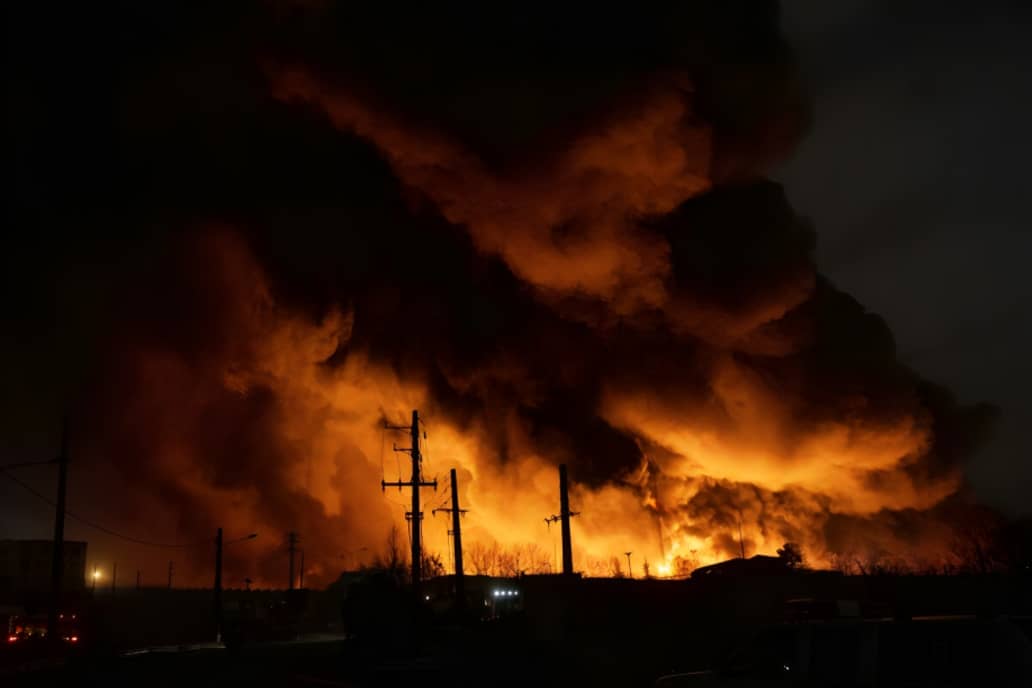
Oil Prices Rise Amid Fears of Renewed US Strikes on Iran
Global crude oil prices climbed to their highest levels since April on Friday, October 23, 2026, as investors grew increasingly concerned that the conflict involving the United States, Israel and Iran could escalate again. Brent crude briefly crossed 117 dollars a barrel during trading before settling at 116.72 dollars, an increase of 3.14 percent for the session. US benchmark West Texas Intermediate crude also rose, closing at 103.27 dollars a barrel.
The surge reflects concerns that further military action could disrupt oil production, exports and shipping routes across the Middle East. The rise in energy prices has also renewed fears of inflation, as higher crude costs can increase expenses for transport, manufacturing, electricity and other essential goods.
According to Reuters reporting published on October 23, Brent's closing price was its highest since April 29. The market movement followed fresh statements from US President Donald Trump and comments by US Ambassador to Turkey Tom Barrack that raised questions about the possibility of renewed strikes against Iran.
Trump Hints at Further Military Action
President Donald Trump suggested that the United States could carry out additional military action against Iran. Speaking at a rally in Florida on Friday, he referred to the possibility of another operation using the name "Epic Fury", the US military's designation for its campaign against Iran.
His comments added to uncertainty in energy markets, where traders are assessing whether the conflict could intensify and create further interruptions to oil supplies. Any renewed attacks on energy infrastructure, export terminals or maritime transport could have consequences for global crude availability.
The remarks came after Tom Barrack, the US ambassador to Turkey and a special envoy involved in regional diplomacy, said a strike against Iran over the weekend was possible. Barrack made the comment during an interview while visiting the Gulf region.
However, Trump later told reporters that he was unaware of the possibility Barrack had raised. His response meant that the ambassador's comments should not be interpreted as official confirmation that an attack had been scheduled.
The difference between the statements has left uncertainty over Washington's immediate military plans. Investors are therefore watching further announcements from the White House and developments involving Iran and Israel for indications of the direction of the conflict.
Strait of Hormuz Remains a Major Concern
The Strait of Hormuz is one of the world's most strategically important energy shipping routes. It connects the Persian Gulf with the Gulf of Oman and the wider international shipping network. Large volumes of crude oil and petroleum products from Gulf producers pass through this narrow waterway before reaching global markets.
Any disruption to tanker movements through the strait can increase shipping costs, insurance premiums and delivery times. Even the possibility of a prolonged interruption can push prices higher because traders anticipate tighter supplies.
Reports of attacks on commercial vessels in and around the Strait of Hormuz have heightened these concerns. Iranian forces have reportedly claimed attacks involving commercial ships, while maritime security risks have increased during the wider conflict. These developments have raised questions about whether oil tankers can continue operating safely and reliably through the region.
The impact on prices depends not only on confirmed supply losses but also on expectations about future shipments. If tanker traffic slows significantly or energy infrastructure is damaged, international buyers may compete for a smaller available supply, adding further upward pressure to crude prices.
Houthi Attacks Add to Regional Risks
Security concerns have also increased following attacks by Yemen's Houthi movement, which is aligned with Iran. The group has been involved in regional hostilities and has targeted locations in Saudi Arabia, raising concerns about possible risks to energy facilities and transport routes.
The attacks have added another layer of uncertainty for oil markets. Saudi Arabia is a major oil producer, and any disruption to its production, processing facilities or export infrastructure could affect global supply expectations.
The broader regional situation also involves important maritime routes beyond the Strait of Hormuz. Threats near the Red Sea and the Bab el-Mandeb Strait can affect shipping between the Middle East, Europe and Asia. When several key routes face security risks at the same time, shipping companies may have to consider alternative routes, longer journeys and higher operating expenses.
Such changes can raise the cost of transporting energy and other goods, even if oil production itself remains relatively stable. For this reason, traders are monitoring developments involving Iran, the Houthis and Gulf countries closely.
Rising Oil Prices Renew Inflation Fears
Higher crude prices can affect economies well beyond the Middle East. Oil is a key input for transport, logistics, agriculture, manufacturing and several industrial processes. When crude becomes more expensive, the increase can eventually be reflected in fuel prices and the cost of moving goods.
For households, higher fuel costs can reduce disposable income. Businesses may face higher expenses for deliveries, raw materials and operations. Depending on the duration and scale of the increase, companies may pass some of these costs on to consumers, contributing to broader inflation.
For countries that rely heavily on imported oil, sustained price increases can also raise import bills and put pressure on trade balances. Governments may face difficult choices over fuel taxation, subsidies and measures intended to protect consumers from sudden price movements.
In India, international crude prices are an important factor influencing the cost of imported energy. However, the effect on domestic petrol, diesel and other fuel prices is not automatic or immediate. Exchange rates, refinery costs, taxes, marketing decisions and government policy also influence the final prices paid by consumers.
A brief rise in global crude prices may have a different impact from a prolonged period of elevated prices. The duration of the conflict and the reliability of oil shipments will therefore be important factors for energy-importing economies.
What Happens Next?
Oil markets are likely to remain sensitive to military announcements, diplomatic developments and reports about shipping security. If tensions ease and tanker movements remain stable, prices could retreat from their recent highs. Conversely, further strikes, retaliation or substantial disruption to energy infrastructure could push prices higher.
The latest price movement reflects market concerns rather than proof that a new attack is certain or that global oil supplies have already suffered a comparable loss. Traders will continue to assess the credibility of official statements, the scale of any confirmed disruption and the response of major oil-producing countries.
For now, Brent crude's move above 117 dollars during Friday's trading session highlights how strongly geopolitical uncertainty can influence energy prices. The direction of the market will depend largely on whether the conflict expands or diplomatic efforts reduce the risk of further disruption.