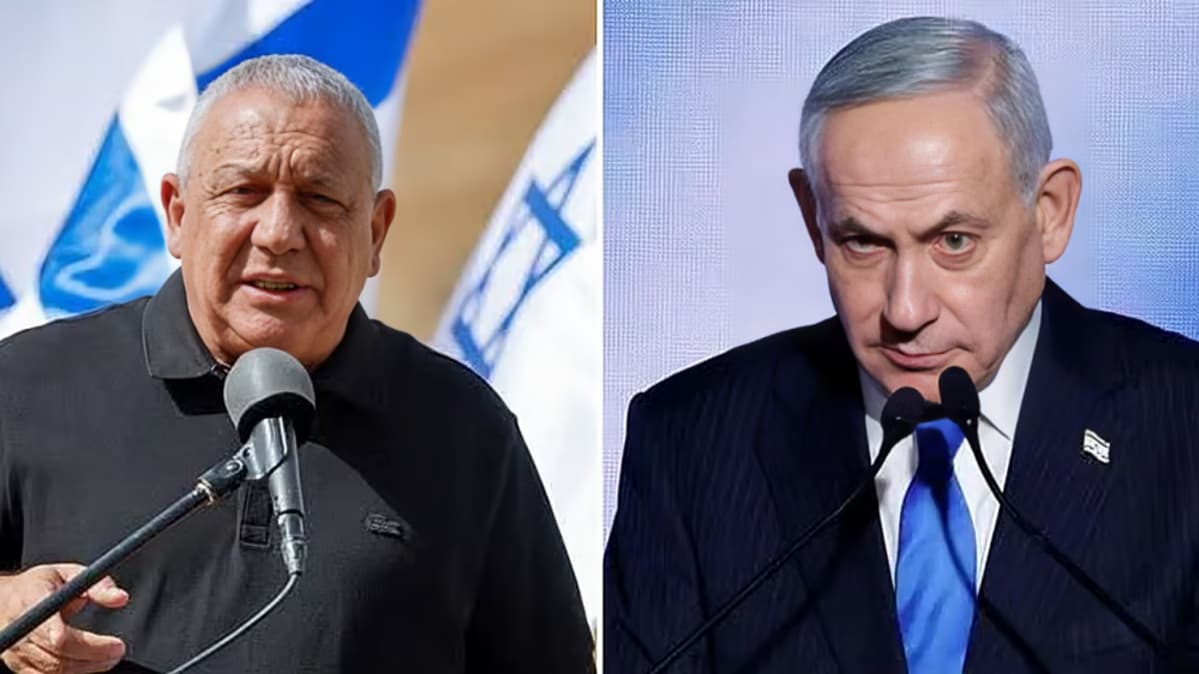
Israel Elections 2026: Netanyahu Faces a Tough Challenge From Eisenkot and the Bennett-Lapid Alliance
Israel’s general election on October 27, 2026, has emerged as a crucial political contest for Prime Minister Benjamin Netanyahu. After years marked by regional conflict, security concerns and deep domestic divisions, voters are deciding whether to continue with Netanyahu’s leadership or support an alternative government led by opposition figures. Former military chief Gadi Eisenkot and the alliance formed by former prime ministers Naftali Bennett and Yair Lapid are among the central players in the election.
The contest is taking place amid uncertainty over the balance of power in Israel’s 120-member Knesset, or parliament. Opinion polls ahead of voting indicate a closely fought race, with neither the Netanyahu-led bloc nor the opposition assured of the 61 seats required to form a majority government. As a result, the final distribution of seats and negotiations between political parties could prove as important as the election campaign itself.
Benjamin Netanyahu Faces Questions Over Leadership
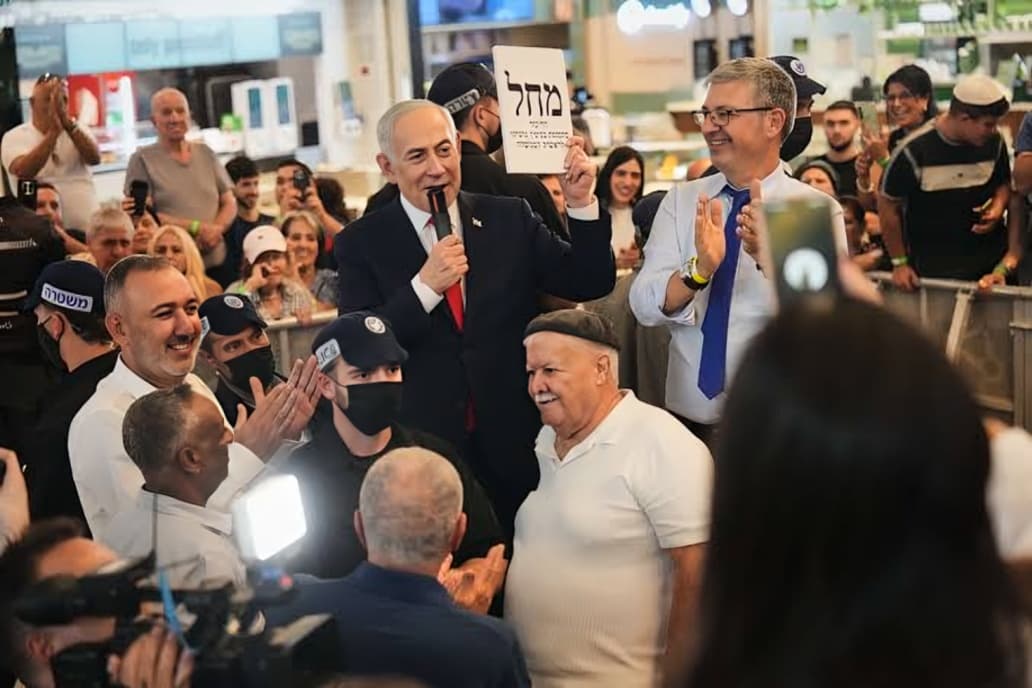
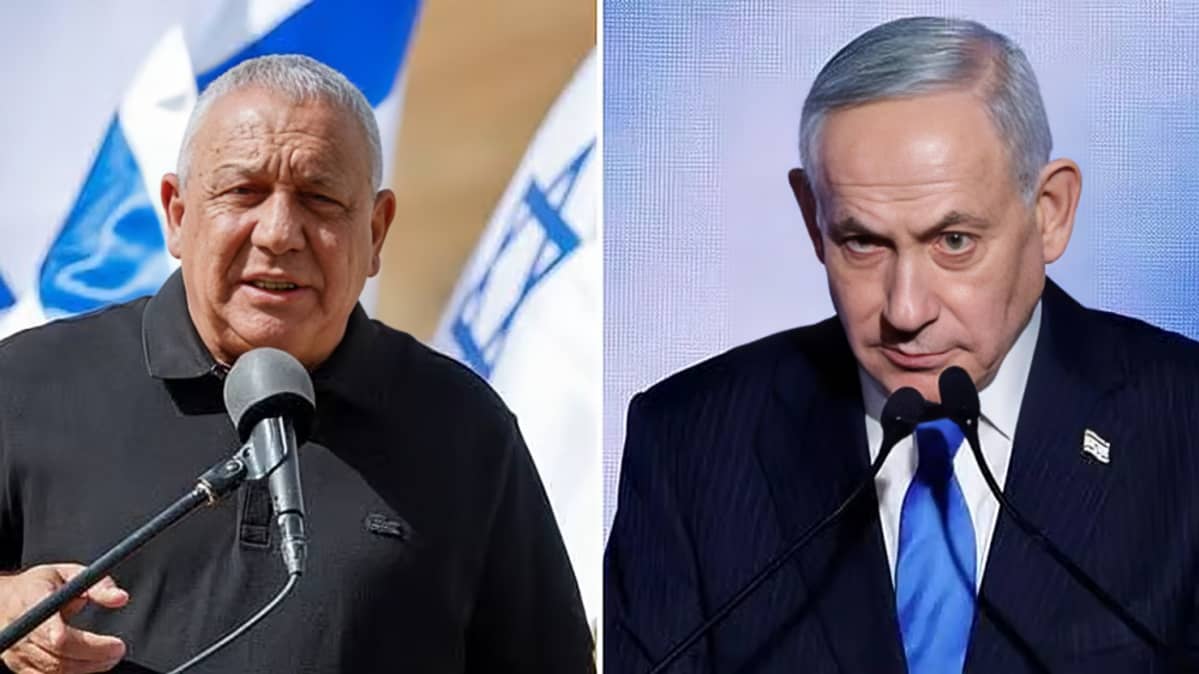
Netanyahu, Israel’s longest-serving prime minister, is campaigning on his experience in government and his approach to national security. His supporters argue that his leadership is necessary at a time of continuing regional threats and military challenges. His campaign has also highlighted his relationship with United States President Donald Trump and his position on confronting Iran.
However, Netanyahu faces criticism from opponents over the security failures surrounding the Hamas-led attacks of October 7, 2023, and the consequences of the conflicts that followed. Critics argue that the government must be held accountable for the events leading up to the attacks and for its wider handling of the country’s security challenges.
Netanyahu is also standing trial in Israel on corruption charges, which he denies. The proceedings have remained a significant point of political debate, with critics questioning whether he should continue leading the government while facing the allegations. His supporters, meanwhile, continue to back his leadership and reject the arguments made by his political opponents.
The election therefore represents not only a contest between parties but also a broader debate about security, political responsibility, government performance and the future direction of Israel.
Gadi Eisenkot Emerges as a Major Challenger
Former Israel Defense Forces chief of staff Gadi Eisenkot has become one of Netanyahu’s most prominent challengers. Eisenkot leads the Yashar party and presents himself as an experienced security figure capable of leading the country through a difficult period.
His military background is central to his political profile. Eisenkot has argued that the next government must address the failures associated with the October 7 attacks and establish a credible process for examining what went wrong. He has called for an independent state commission of inquiry to investigate the events and determine responsibility.
Eisenkot has also criticised Netanyahu’s reliance on far-right coalition partners. He argues that the country requires a government that can address national security while improving political accountability and managing relations with international partners.
Nevertheless, Eisenkot’s positions do not represent a complete break from Israel’s established security policies. He has taken a hard-line approach to national security and has opposed the establishment of a Palestinian state under current circumstances. This means that the election debate includes significant differences over leadership and governance, even where leading candidates share similar positions on some security questions.
Bennett and Lapid Join Forces
Former prime ministers Naftali Bennett and Yair Lapid have joined forces under the Together alliance to challenge Netanyahu’s political bloc. Their partnership brings together politicians with different political backgrounds but a shared objective of offering voters an alternative government.
Bennett is a right-wing politician and former prime minister, while Lapid is a centrist politician who previously led the government. Their cooperation reflects an attempt to combine support across different parts of Israel’s political spectrum and strengthen the opposition’s chances of securing enough parliamentary seats to form a government.
The alliance has focused on presenting a new direction for the country, including political reconstruction and a response to the divisions that have intensified in recent years. However, cooperation between parties with differing ideological positions could become difficult if the opposition wins enough seats to begin coalition negotiations.
The opposition bloc also includes other political forces, including the Democrats led by Yair Golan and Avigdor Liberman’s Yisrael Beiteinu party. Although these parties share opposition to Netanyahu’s leadership, they do not agree on every policy issue. Choosing a prime minister and negotiating a common programme could therefore become major challenges after the vote.
National Security and the October 7 Attacks
National security remains one of the most important issues in the election. The Hamas-led attacks of October 7, 2023, and the subsequent wars involving Israel have profoundly shaped public debate. Voters are considering how the next government should protect the country, prevent future attacks and respond to continuing threats from regional actors.
Netanyahu has emphasised his experience in wartime leadership and his approach to confronting security threats. Eisenkot and other opposition figures have argued that the government must also answer questions about the failures that preceded the October 7 attacks.
The question of accountability has become particularly significant. Opposition leaders have called for an independent inquiry with the authority to examine political and military decisions. Netanyahu’s government has supported a different approach to establishing an inquiry, and the disagreement has become part of the wider dispute over public trust and responsibility.
The conflicts in Gaza, tensions involving Iran and Hezbollah, and Israel’s international relationships are also likely to influence voters. Although leading candidates differ in their criticism of the government, their positions on Palestinian statehood and military strategy are not always substantially different. The election may therefore bring changes in leadership and governing style without necessarily producing a fundamental shift in every aspect of Israeli security policy.
Military Service and Religious Exemptions
Military conscription is another major campaign issue. Israel’s debate over exemptions for ultra-Orthodox Jewish men has intensified as the country faces the demands of prolonged military operations.
Supporters of exemptions argue that religious study should be protected. Critics say that military service obligations should be shared more equally, especially when large numbers of reservists are being called up during periods of conflict.
The issue has created tensions between Netanyahu and parts of the electorate, as well as between political parties that depend on ultra-Orthodox support. The positions of religious parties could influence the formation of the next government because their participation or support may be needed to secure a parliamentary majority.
Eisenkot and other opposition figures have made conscription reform a central issue, arguing that the country needs a fairer system of military service. Any new government will face the challenge of balancing religious interests, military manpower requirements and public demands for equal treatment.
Judicial Reform and Democratic Accountability
The future of Israel’s judicial system is another major point of disagreement. Netanyahu’s government has pursued changes intended to reshape the relationship between the judiciary and elected officials. Supporters argue that reforms would strengthen the authority of elected representatives, while critics warn that reducing judicial oversight could weaken institutional checks and balances.
The proposed changes have triggered substantial public debate and protests. Opposition leaders have pledged to reverse or amend key measures, making the future of judicial reform an important question in the election.
The debate also intersects with Netanyahu’s corruption trial. Critics argue that changes to the judicial system raise concerns about political influence over legal institutions. Netanyahu and his supporters dispute the opposition’s characterisation of the reforms and maintain that the elected government has the authority to pursue its programme.
The election could therefore influence not only the composition of the next government but also the direction of legal and constitutional debates.
Cost of Living and Economic Pressures
Economic concerns are also shaping the campaign. Higher living costs, housing affordability and pressure on public finances remain important issues for households. Increased defence spending associated with prolonged conflicts has added to the challenges facing the government.
Voters will assess how the competing political parties intend to manage public spending, support households and maintain economic stability. The government’s ability to balance security requirements with domestic needs could affect public confidence in its performance.
For the opposition, economic pressure offers an opportunity to argue that Israel needs a different approach to governance. For Netanyahu’s supporters, experience and continuity remain important arguments in favour of retaining the current leadership.
Coalition Negotiations Could Decide the Outcome
Israel uses a proportional representation system, meaning that voters elect party lists rather than choosing the prime minister directly. Following the election, parties must negotiate to assemble a coalition capable of commanding a majority in the Knesset.
With opinion polls indicating that neither major bloc is assured of reaching the 61-seat threshold, smaller parties and independent political groups could become important. The position of Arab-led parties may also influence the parliamentary arithmetic, although several major Jewish-led opposition parties have ruled out forming a formal coalition with them.
If no candidate can assemble a viable majority, the country could face prolonged negotiations or another election. Netanyahu could remain caretaker prime minister while efforts to form a government continue.
The result will determine more than which political leader occupies the prime minister’s office. It will shape the country’s approach to security, military service, judicial reform, economic policy and accountability for the October 7 attacks.
As voting proceeds, Netanyahu’s experience and established political base will be tested against Eisenkot’s security credentials and the opposition’s attempt to unite different political groups. The outcome will depend on voter turnout, the distribution of parliamentary seats and the ability of political leaders to reach agreements after the election.
The election is therefore a significant moment for Israel, with its consequences likely to extend beyond the immediate contest and influence the country’s domestic politics and regional relationships in the months ahead.