Mecca Pact Officials Visit Iran for Security Talks Amid Fears of Renewed War
Senior officials from Saudi Arabia, Pakistan and Turkey are holding talks with Iranian representatives in Tehran on October 26, 2026, in a diplomatic effort to reduce regional tensions and prevent a renewed escalation of the Middle East conflict. The discussions come as concerns grow over possible further military action involving Iran, Israel and the United States, alongside increased attacks by Yemen’s Houthi movement on Saudi Arabia.
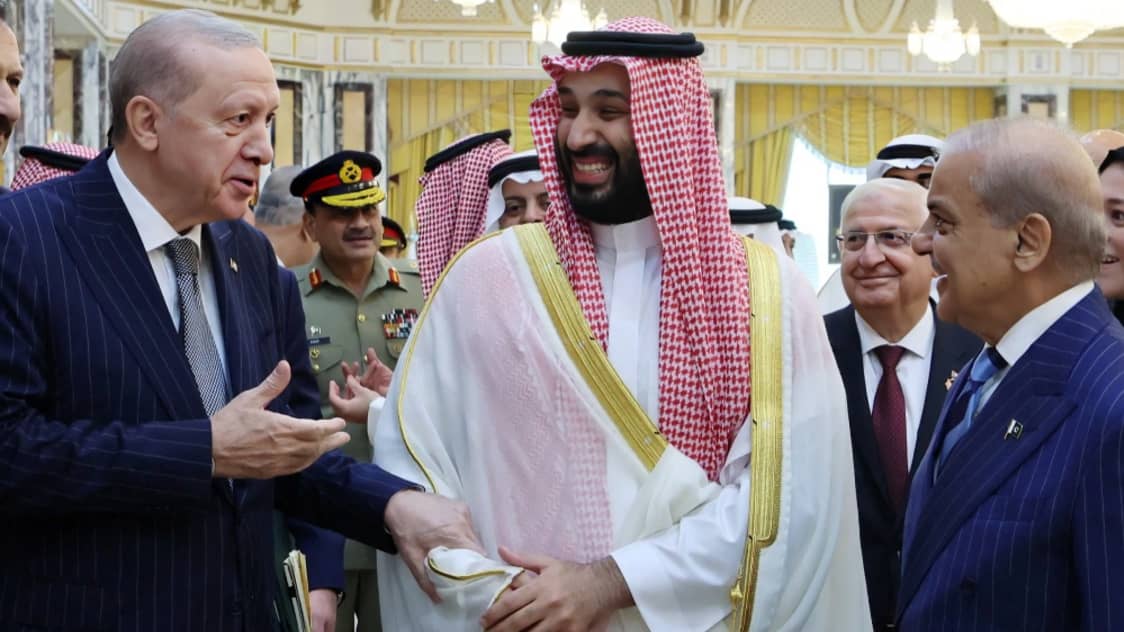
The visiting representatives include Saudi Defence Minister Prince Khalid bin Salman, Pakistan’s army chief Field Marshal Asim Munir and Turkish intelligence chief Ibrahim Kalin. Iranian officials have confirmed the planned consultations, which are focused on regional security and diplomatic efforts to contain the crisis.
The meeting is significant because it brings Iran into high-level discussions with all three countries associated with the Mecca Joint Defence Agreement. The initiative is also intended to support mediation efforts involving Pakistan and Qatar, which have sought to facilitate dialogue between Tehran and Washington.
Senior Delegations Meet in Tehran
The visit follows a series of diplomatic contacts intended to prevent the conflict from spreading further across the region. According to officials cited by Reuters, the meeting was proposed during a recent visit by Pakistan’s army chief to Tehran, where he met Iranian President Masoud Pezeshkian and other senior representatives.
Ali Bagheri Kani, deputy secretary of Iran’s Supreme National Security Council, confirmed that the Saudi, Pakistani and Turkish representatives would take part in consultations on regional security. Iranian Foreign Ministry spokesperson Esmaeil Baghaei said the discussions would address issues including Israeli policies, developments in the Palestinian territories and Lebanon, and the consequences of US and Israeli military action against Iran.
Saudi officials have described the visit as part of continuing efforts to reduce hostilities, encourage dialogue and support diplomatic solutions. The talks are taking place at a time when several governments in the region are concerned that further military action could threaten security, trade and energy supplies.
The outcome of the discussions remains uncertain. The meeting provides an opportunity for regional governments to exchange views, but a diplomatic visit alone does not guarantee an agreement or an immediate end to hostilities.
Why the Mecca Pact Matters
Saudi Arabia, Pakistan and Turkey signed the Mecca Joint Defence Agreement in August 2026. Under the agreement, an armed attack on one member is treated as an attack on all three, establishing a framework for collective defence and closer security cooperation.
The agreement has gained significance as Saudi Arabia faces increased threats linked to the wider regional conflict. The three countries have discussed implementing their defence commitments and improving the coordination of military capabilities. Pakistan has approved the agreement, while Turkey’s parliamentary ratification process remains underway.
Despite the pact’s collective-defence provisions, the current Tehran meeting is a diplomatic initiative. Its stated purpose is to encourage de-escalation and support regional security discussions, rather than to announce military action against Iran.
The involvement of all three countries is notable because each has different diplomatic relationships and security interests. Saudi Arabia has direct concerns about attacks on its territory. Pakistan has maintained contact with both Tehran and Washington and has played a mediating role. Turkey brings its regional influence and diplomatic channels, including its position as a member of NATO.
Their combined participation could help communicate concerns and encourage dialogue, although any progress would depend on decisions by the governments directly involved in the conflict.
Houthi Attacks Add to Saudi Arabia’s Security Concerns
The talks are taking place amid increased attacks attributed to Yemen’s Iran-aligned Houthi movement. Saudi Arabia has reported intercepting missiles and drones, raising concerns about the security of its cities, airports and critical infrastructure.
The Houthis’ involvement adds another layer to an already complex regional conflict. Further attacks could increase the risk of retaliation and complicate diplomatic efforts to reduce tensions between Iran and the United States.
For Saudi Arabia, preventing a wider escalation is closely linked to protecting its territory and maintaining regional stability. The Tehran discussions therefore offer an opportunity to address immediate security concerns while exploring broader ways to limit the spread of hostilities.
Reports of attacks and claims made by parties to the conflict should be distinguished from independently verified information. The situation remains fluid, and developments on the ground could influence the direction of the diplomatic talks.
Pakistan and Qatar Continue Mediation Efforts
Pakistan has been an important intermediary in efforts to bring Iran and the United States into dialogue. Qatar has also maintained diplomatic contacts aimed at reducing tensions. Officials from both countries have supported efforts to find a path towards renewed negotiations.
Previous mediation efforts helped produce an interim agreement in June 2026, but the arrangement later broke down as fighting resumed. The collapse of that understanding illustrates the difficulty of securing a durable settlement when the parties have unresolved disputes over military operations, sanctions, security guarantees and Iran’s nuclear programme.
Qatari officials also held discussions in Tehran ahead of the latest meeting. Their engagement reflects continuing efforts to keep diplomatic channels open despite heightened rhetoric and concerns about further military action.
The Mecca Pact countries have said they want to support dialogue and diplomatic solutions. However, any renewed agreement between Washington and Tehran would require the parties to address their competing demands and agree on practical steps to reduce the risk of further confrontation.
Wider Implications for the Middle East
The outcome of the talks could have implications beyond the countries represented at the meeting. Continued fighting in the region threatens shipping routes, energy infrastructure and the stability of neighbouring states. The Strait of Hormuz, a major route for global oil and liquefied natural gas shipments, remains a particularly important concern.
A further escalation could increase uncertainty for energy markets and international trade. It could also place additional pressure on governments seeking to protect shipping, prevent attacks and avoid being drawn directly into the conflict.
At the same time, regional diplomatic engagement does not necessarily mean that a breakthrough is imminent. The parties have significant differences, and earlier attempts at mediation have failed to produce a lasting settlement.
The Tehran meeting should therefore be viewed as part of an ongoing diplomatic process rather than confirmation that a new agreement has been reached.
What Happens Next?
The immediate focus is whether the discussions can produce concrete measures to reduce tensions and maintain communication among regional governments. Further negotiations may depend on the positions taken by Iran, the United States and Israel, as well as developments involving the Houthis and other regional actors.
For Saudi Arabia, Pakistan and Turkey, the challenge is to balance their security commitments with efforts to prevent a wider conflict. For Iran, the talks provide an opportunity to communicate its concerns and positions to influential regional governments.
As of October 26, the key development is the high-level engagement in Tehran and the stated aim of supporting regional security and de-escalation. No lasting settlement can be assumed from the meeting alone. Further official statements and developments will be needed to determine whether the diplomatic effort leads to practical steps towards reducing the risk of renewed war.