Riyadh Airport Partially Reopens as Houthis Threaten Further Strikes on Saudi Arabia
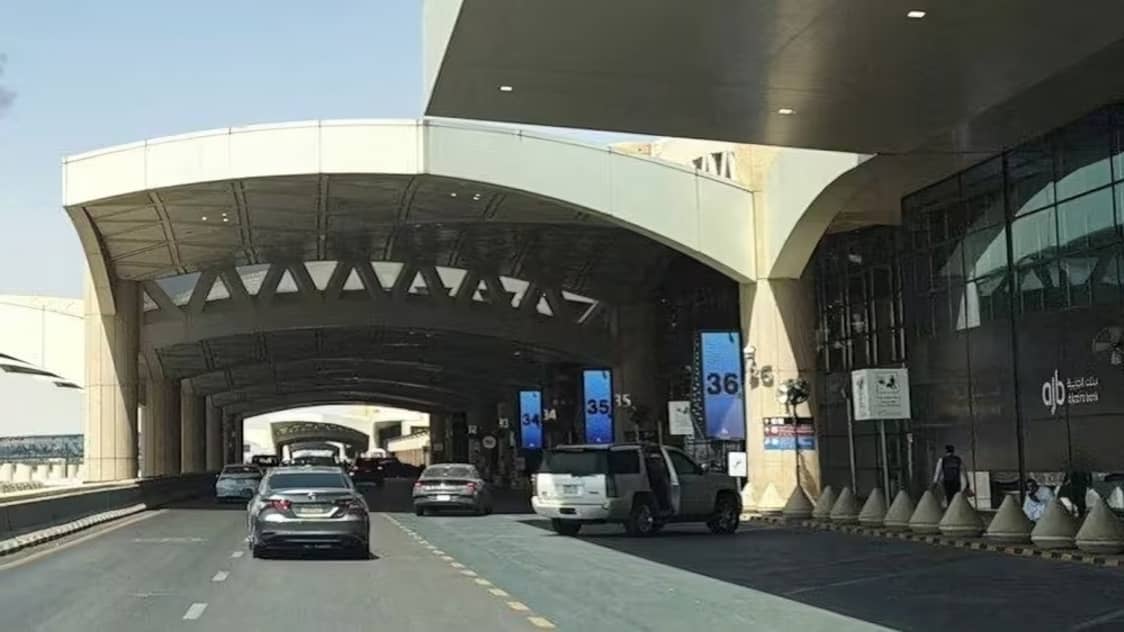
Saudi Arabia has partially reopened King Khalid International Airport in Riyadh despite renewed threats from Yemen's Houthi movement, as missile and drone attacks continue to heighten security concerns across the kingdom. The airport resumed limited operations at two terminals on Sunday, October 25, following a shutdown earlier in the month after a deadly attack claimed by the Houthis.
The reopening comes amid escalating hostilities between Saudi forces and the Houthi movement. Saudi authorities have reported intercepting several missiles and drones aimed at Riyadh and southern parts of the country. Meanwhile, Houthi military spokesperson Yahya Saree warned that the airport would never be safe and urged airlines, airport employees and passengers to avoid the facility.
Riyadh Airport Resumes Limited Operations
King Khalid International Airport suspended operations on October 10 after an attack claimed by the Houthis killed 13 people, according to reports. The incident was described as the deadliest attack in Saudi Arabia in more than a decade.
Saudi airport authorities subsequently announced a partial reopening, with Terminal 1 designated for domestic flights and Terminal 2 handling international services operated by national carriers. However, flight-tracking data indicated that air traffic remained limited following the announcement.
The decision to resume operations represents an effort to restore air connectivity despite the continuing security threat. Nevertheless, the Houthi warning has created uncertainty for airlines and travellers considering flights through Riyadh.
Passengers planning to travel should check directly with their airlines and airport authorities for the latest information about flight schedules, cancellations and operational changes.
Houthis Issue Fresh Warning
Following the reopening announcement, Houthi military spokesperson Yahya Saree renewed the group's warning against using the airport. He described the facility as a military target and said it would never be safe, while urging airlines, airport staff and travellers to stay away.
The warning raises concerns about the possibility of further attacks on aviation infrastructure. Airports are important civilian transport hubs, and threats against them can disrupt passenger travel, cargo movements and regional connections even when flights continue to operate.
The Houthis have claimed responsibility for attacks against several locations in Saudi Arabia, including Riyadh and southern cities. On October 26, the group also said it had targeted the Riyadh airport and Saudi oil-pumping facilities. Saudi Arabia had not immediately confirmed those specific claims, so they should be treated as statements by the group rather than independently verified outcomes.
Saudi Arabia Reports Missile and Drone Interceptions
Saudi authorities said their air defences intercepted multiple missiles and drones during the latest escalation. Emergency alerts were issued for Riyadh and several other cities, including Abha, Khamis Mushait, Jazan and Najran. Authorities later announced that the immediate danger had passed.
Saudi civil defence officials reported that shrapnel from the interception of two ballistic missiles over Khamis Mushait and Ahad Rafidah injured two people and damaged residential buildings and vehicles.
The Saudi-led coalition also reported intercepting missiles directed towards southern areas and Riyadh. Such interceptions are intended to reduce the risk to populated areas and critical infrastructure, although falling debris can still cause injuries and property damage.
The Houthi movement has claimed attacks on Saudi airports and energy facilities. However, the details of individual strikes, their targets and the damage caused need to be distinguished from official Saudi reports and independently confirmed information.
Wider Regional Conflict Adds to Concerns
The latest escalation is taking place amid a broader regional conflict involving Iran, Israel and the United States. Saudi Arabia, a US ally, has become increasingly exposed to the consequences of the expanding hostilities.
The Houthis are aligned with Iran and have fought the Saudi-backed Yemeni government for years. Saudi Arabia intervened in Yemen's civil war in 2015 as head of a coalition supporting the internationally recognised government after Houthi forces took control of the capital, Sanaa.
A United Nations-brokered truce had largely held since 2022, but renewed fighting has undermined that period of relative calm. Saudi Arabia has stepped up military action against the Houthis as fighting over strategic territory along Yemen's Red Sea coast has intensified.
The conflict also has implications for international trade and energy security. The Bab el-Mandeb Strait, near Yemen's Red Sea coast, is a critical shipping passage linking the Red Sea with the Gulf of Aden. Any prolonged disruption could affect commercial shipping and the movement of energy supplies.
Saudi Arabia's East-West oil pipeline is also strategically important because it provides an alternative route for transporting crude oil towards the Red Sea when other shipping routes face disruption.
Uncertainty for Travellers and Regional Security
The partial reopening of Riyadh airport does not mean the security threat has ended. The Houthi warning, continuing missile alerts and reports of interceptions indicate that the situation remains volatile.
Airlines may need to reassess routes and operating schedules as conditions change. Travellers should rely on official airport notices and airline updates rather than assume that all services have returned to normal.
The broader conflict could also affect diplomatic efforts to reduce tensions in Yemen and the surrounding region. Renewed attacks and retaliatory military operations risk making a return to negotiations more difficult.
Conclusion
Saudi Arabia has partially reopened King Khalid International Airport in Riyadh while facing renewed threats from the Houthi movement. Authorities have reported intercepting missiles and drones, while the Houthis have warned that the airport remains a target and claimed further attacks on Saudi infrastructure.
The airport's limited reopening is an important step towards restoring air travel, but the continuing hostilities leave significant uncertainty for passengers, airlines and regional security. Further developments will depend on the course of the fighting, official security assessments and whether diplomatic efforts can prevent a wider escalation.