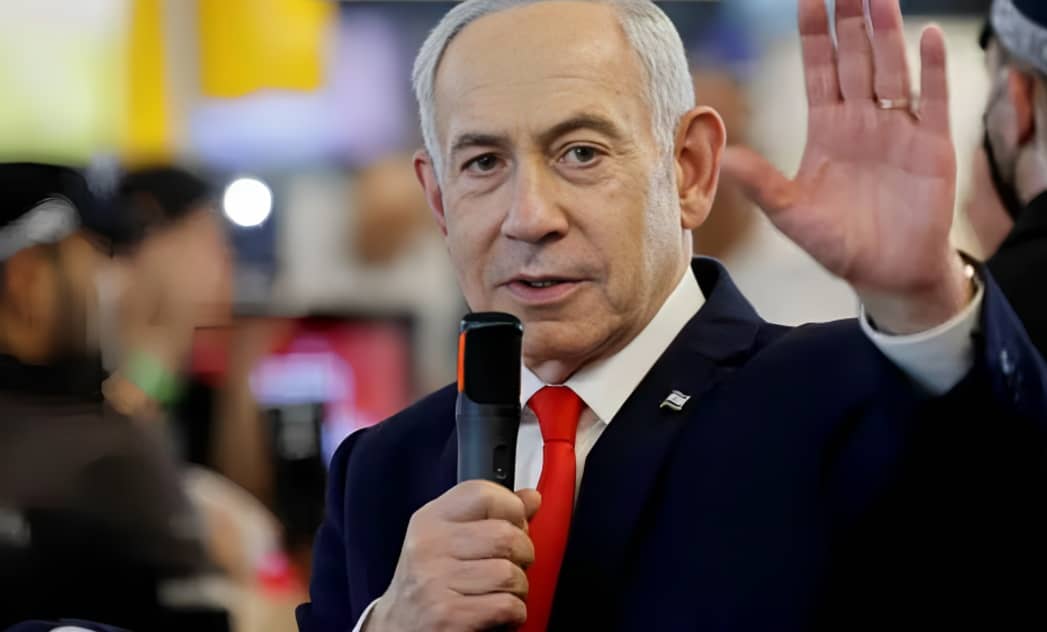
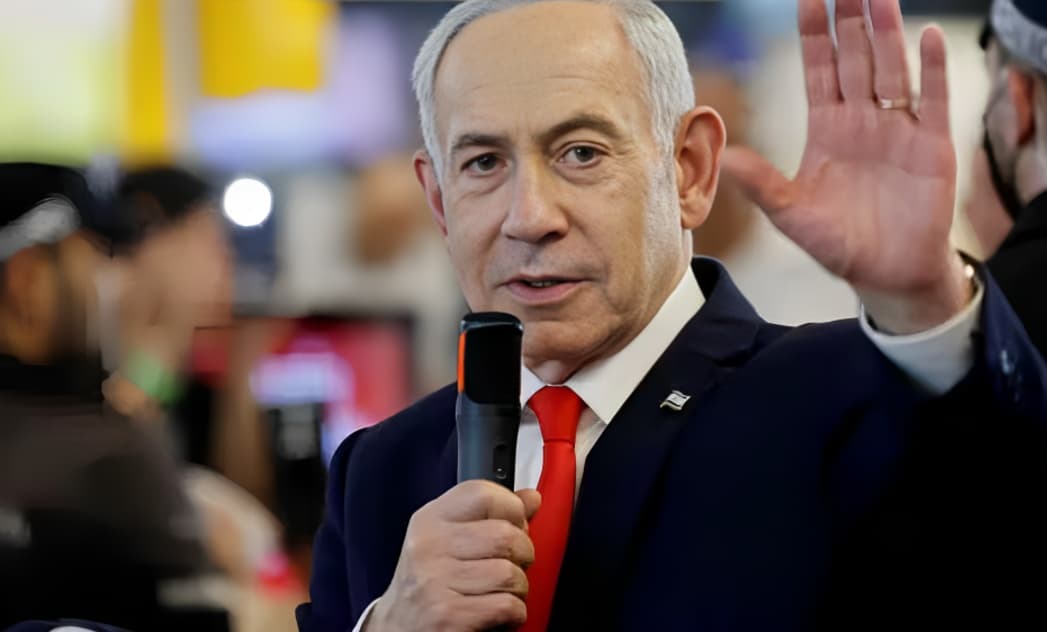
Israeli Prime Minister Benjamin Netanyahu and Israel Defense Forces Chief of Staff Eyal Zamir have reportedly clashed over a proposed military operation linked to Iran, just days before Israel's October 27 parliamentary election. The reported disagreement has raised questions about the timing of possible military action, the legal authorisation required for such an operation and the risk of renewed confrontation with Tehran.
According to reports by Israeli media, Zamir sought further discussions and written authorisation from political leaders before proceeding with an unspecified operation. The nature of the proposed action has not been publicly disclosed. Security officials cited in the reports reportedly expressed concern that it could trigger a rapid escalation with Iran at a politically sensitive moment.
Netanyahu has denied that a confrontation took place, rejecting reports of a dispute with the military chief. Political officials have also denied allegations that the government is seeking to use tensions with Iran for electoral advantage.
Reported Disagreement Over Military Action
The controversy emerged after Israeli broadcaster Channel 12 reported that Netanyahu's political leadership had directed the military to undertake an operation related to Iran. The broadcaster, citing unnamed sources, said Zamir was resisting immediate implementation and had requested further deliberations and formal written authorisation.
The report did not disclose the precise nature of the operation or establish whether it was connected to any wider plan involving Iran. The reported request for written authorisation has nevertheless drawn attention to the decision-making process behind potentially high-risk military action.
Military operations that could lead to a wider regional conflict involve assessments of intelligence, operational readiness, legal authority and possible consequences. Any action against Iran could prompt retaliation and affect Israel's security situation across the region.
The reported disagreement has therefore become a subject of political debate in Israel, particularly because the parliamentary election is scheduled for October 27. However, the reported clash and the motives attributed to political leaders remain disputed, and the claims should not be treated as established facts without further evidence.
Netanyahu Rejects Reports of a Confrontation
Netanyahu denied the reports during a television interview, saying there was no confrontation between him and Zamir. He dismissed the allegations as unfounded and argued that the reports were obscuring concerns about possible Iranian attempts to interfere with Israel's election.
The prime minister has continued to warn that Iran and its regional allies could pose security threats to Israel. He has also said that the country's military and intelligence agencies are preparing for different scenarios.
Netanyahu's position differs from the concerns attributed to unnamed security sources in media reports. While those sources reportedly questioned the timing and potential consequences of the proposed action, Netanyahu has rejected the suggestion that the government is pursuing a confrontation for political reasons.
The disagreement has placed the relationship between Israel's political leadership and military command under public scrutiny. The available reporting, however, does not provide enough information to establish the full scope of the alleged dispute or the exact instructions given to the military.
Concerns About Election Timing
The reported dispute has intensified debate over whether military developments could influence the election campaign. Opposition politicians have accused Netanyahu of risking a wider confrontation with Iran for political advantage or to affect the election timetable. Netanyahu and political officials have denied these allegations.
Opposition figures have also voiced support for Zamir's reported caution, arguing that any military action should be based on a clear security need, a defined strategic objective and a responsible operational plan. They have warned against allowing military decisions to become part of an election campaign.
These statements reflect the positions of political opponents and should be understood as allegations rather than proven conclusions. There is no publicly established evidence in the reports cited here that confirms the proposed operation was intended to benefit Netanyahu electorally.
The timing remains important because a major military escalation could affect public security, campaign activities and the political atmosphere ahead of voting. It could also create additional uncertainty for regional governments and international partners concerned about a renewed conflict.
Iran Tensions and Regional Security
Relations between Israel and Iran have remained a major security concern, with disagreements involving Iran's nuclear programme, missile capabilities and regional alliances. Israeli leaders have repeatedly warned that developments in Iran could threaten Israel, while Iranian officials have said their country would respond to attacks and defend its interests.
A new Israeli military operation against Iran could carry risks beyond the two countries. Depending on its scale and Iran's response, it could affect regional security, international diplomacy, energy markets and commercial shipping routes.
The uncertainty surrounding the reported operation has also highlighted the importance of clear communication between political leaders and military commanders. Decisions involving possible escalation require careful consideration of intelligence assessments, legal requirements and potential consequences.
Reports of the alleged disagreement do not establish that an attack is imminent. The military action remains unspecified in public reporting, and any assessment of its likelihood or potential targets would be speculative without further verified information.
What Happens Next
With Israel's parliamentary election scheduled for October 27, attention is likely to remain focused on the government's security statements, the military leadership's position and any further official clarification about the reported operation.
The main questions concern whether the proposed action will proceed, what legal authorisation it would require and whether the government or military will publicly explain the reports. Additional statements from Netanyahu, Zamir or relevant security officials could help clarify the situation.
For now, the reported disagreement remains based on media accounts citing unnamed sources, while Netanyahu has publicly denied that a confrontation occurred. Claims that military action is being considered for electoral reasons remain contested.
Conclusion
Reports of a disagreement between Benjamin Netanyahu and Eyal Zamir over a proposed Iran-related operation have added a new dimension to Israel's election campaign. The reported concerns centre on the risk of rapid escalation with Iran and the need for further deliberation and formal authorisation before any action.
Netanyahu has denied the reported confrontation and rejected claims that his government is using Iran tensions for political advantage. As the election approaches, the situation remains uncertain. Any further assessment will depend on official statements, verified information about the proposed operation and developments in Israel's security and political environment.