King Cobras Struggle to Move Through Agricultural Landscapes in Thailand, Study Highlights Importance of Natural Vegetation
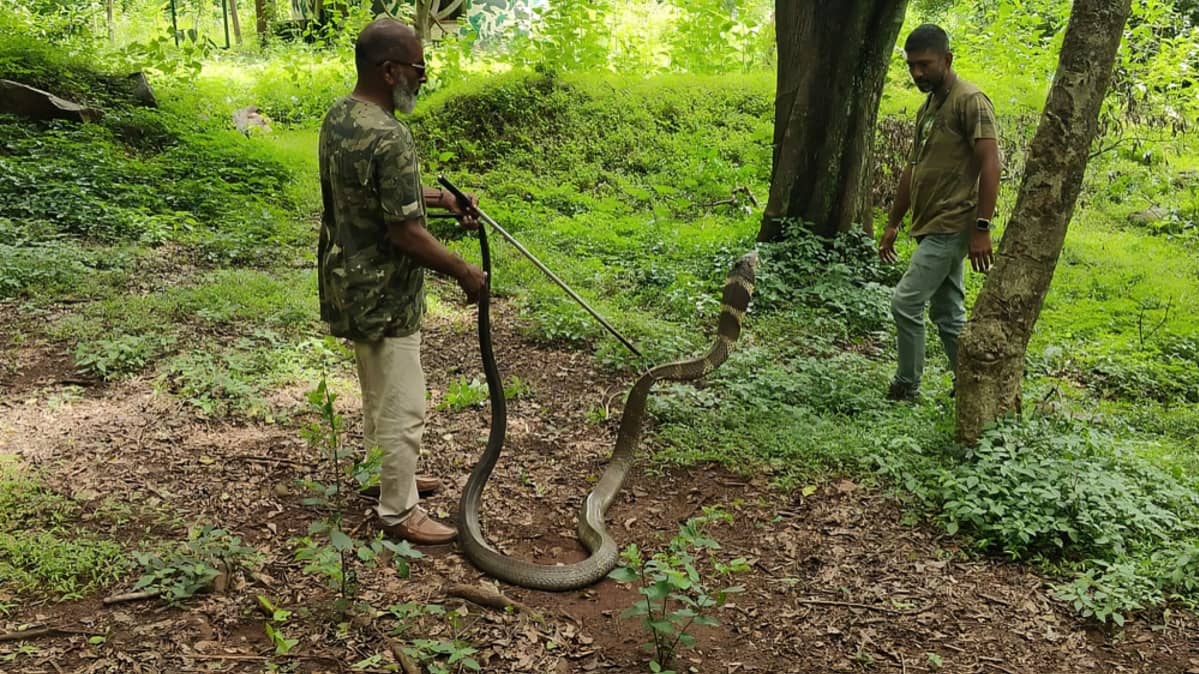
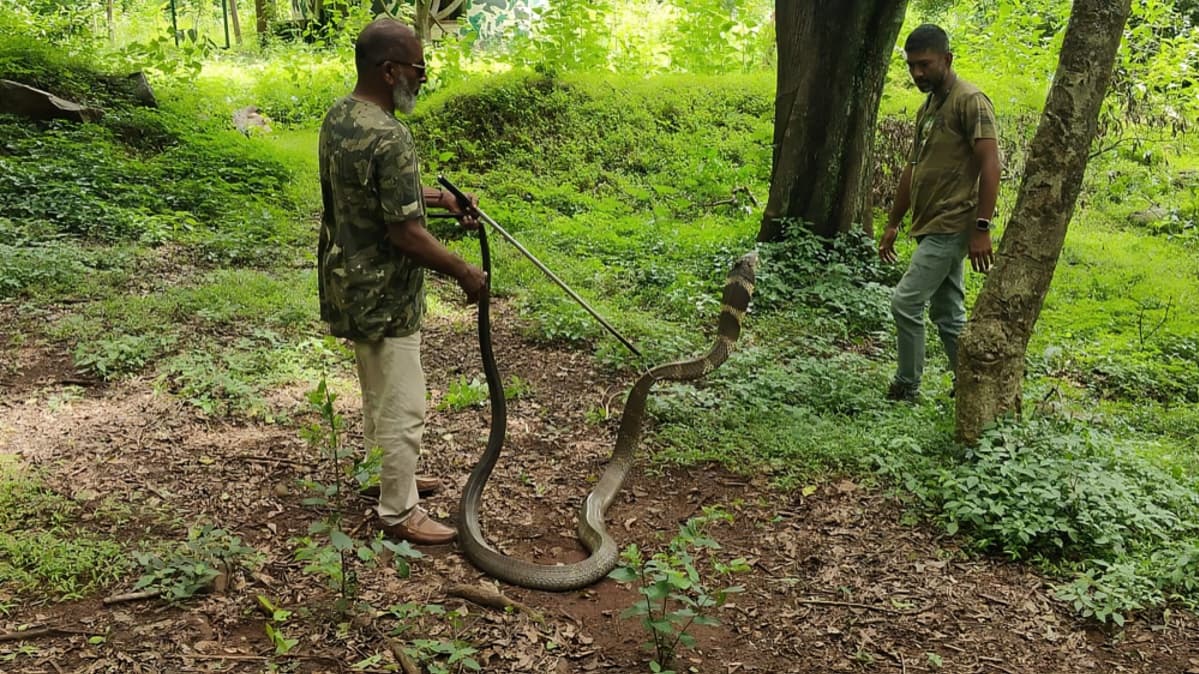
King cobras, among the largest venomous snakes in the world, are facing challenges moving through agricultural landscapes in northeastern Thailand. A study conducted near the Sakaerat Biosphere Reserve has found that these snakes move less in areas dominated by agriculture and depend on remaining patches of natural vegetation to navigate landscapes transformed by human activities.
Researchers tracked seven king cobras in the region to understand how changes in land use influence their movement. Their observations highlighted the importance of forest fragments and vegetation growing alongside irrigation canals. These natural areas appear to provide valuable habitat within agricultural surroundings.
The findings draw attention to the impact of habitat fragmentation on wildlife. As farmland, roads and settlements expand, natural habitats become increasingly divided, making it difficult for animals to move between suitable areas.
Study Examines King Cobra Movement in Thailand
The research focused on king cobras living around the Sakaerat Biosphere Reserve in northeastern Thailand. The reserve provides an important natural landscape for studying wildlife and the effects of surrounding human activities.
Researchers tracked seven king cobras to examine how they moved through different types of land. Their observations showed that the snakes moved less in agricultural areas compared with landscapes containing natural vegetation.
This suggests that agricultural land can restrict the movement of king cobras, even when suitable natural habitat remains nearby.
The study provides insight into how large wildlife species respond to landscapes increasingly shaped by farming and human settlements. Rather than moving freely across the region, the tracked snakes appeared to rely more heavily on the remaining patches of natural vegetation.
Agricultural Expansion Creates Challenges for Wildlife
Agricultural expansion is changing landscapes in many parts of the world. Forests and other natural habitats are often divided into smaller sections as farmland, roads and settlements spread.
This process is known as habitat fragmentation. It can affect wildlife by separating natural habitats and reducing the availability of connected areas through which animals can move.
For species that require large areas to find food, shelter and suitable living conditions, fragmented landscapes can create additional challenges.
The findings from northeastern Thailand show how these changes can affect even large and powerful animals such as king cobras.
Although the snakes were living close to areas used by people, their movement was more restricted in agricultural surroundings. This indicates that the presence of wildlife in a human-dominated landscape does not necessarily mean that animals can move freely through it.
Forest Fragments Provide Important Natural Habitat
One of the important findings of the research was the role of remaining patches of natural vegetation.
Forest fragments can provide shelter and suitable environmental conditions for wildlife in areas where much of the surrounding landscape has been converted for agriculture.
For king cobras, these remaining natural patches appear to be important parts of the landscape. They may help the snakes move through areas where continuous natural habitat is no longer available.
Protecting these fragments could therefore play an important role in maintaining wildlife movement across agricultural regions.
The study highlights that even relatively small areas of natural vegetation can have conservation value when they form part of a wider network of habitats.
Irrigation Canal Vegetation May Help King Cobras Move
The researchers also identified vegetation along irrigation canals as an important feature of the landscape.
Irrigation canals are commonly found in agricultural regions and are used to distribute water to farmland. The vegetation growing along their banks can provide strips of natural cover within otherwise open agricultural areas.
According to the study's findings, these canal-side vegetation patches were among the important natural features used by the tracked king cobras.
Such vegetation may help wildlife move through fragmented environments by connecting different patches of natural habitat.
The finding highlights the potential conservation value of maintaining vegetation along irrigation channels rather than removing all natural cover from agricultural landscapes.
However, the research involved tracking seven king cobras, and further studies would help establish how consistently these patterns occur across larger populations and different regions.
Roads and Settlements Add to Habitat Fragmentation
The expansion of roads and settlements can further change the way wildlife moves through natural landscapes.
Roads may divide habitats, while new settlements can replace vegetation that animals previously used for movement and shelter.
When these developments occur alongside agricultural expansion, the remaining natural areas can become increasingly isolated.
For king cobras and other wildlife species, this can reduce access to suitable habitats and make movement across the landscape more difficult.
The research from Thailand highlights the importance of considering wildlife movement when planning agricultural development and infrastructure projects.
Protecting isolated patches of vegetation is useful, but maintaining connections between them may be equally important for wildlife conservation.
Importance of Connected Habitats for Wildlife Conservation
The findings underline the need to protect natural vegetation within agricultural landscapes.
Conservation efforts often focus on large protected forests and wildlife reserves. However, animals do not always remain within protected boundaries. They may also depend on vegetation and natural corridors outside these areas to move between habitats.
Maintaining forest fragments and canal-side vegetation could help preserve movement routes for king cobras and other wildlife.
Agricultural planning that considers natural vegetation may also help reduce the effects of habitat fragmentation. This does not necessarily require stopping all agricultural activities, but it highlights the importance of retaining suitable natural areas within working landscapes.
The study suggests that wildlife conservation should consider the entire landscape rather than focusing only on protected forests.
What the Findings Mean for King Cobra Conservation
King cobras are large predators that form part of the ecological balance in their natural habitats. Their ability to move through different areas is important for accessing suitable living environments.
When natural habitats become fragmented, movement restrictions may affect how wildlife uses the landscape.
The research near the Sakaerat Biosphere Reserve provides evidence that agricultural areas can limit king cobra movement, while remaining vegetation may help the snakes navigate these environments.
The findings also offer a wider lesson about the relationship between human development and wildlife. Even when animals continue to live near agricultural communities, the structure of the surrounding landscape can influence how freely they move.
Protecting forest fragments and vegetation along irrigation canals could therefore become an important part of conservation planning in regions where agriculture and natural habitats exist side by side.