US to Host Second Trilateral Russia Ukraine Peace Talks in Abu Dhabi on November 10 and 11
The United States is preparing to host a second round of high-level trilateral peace talks involving Russia and Ukraine in Abu Dhabi on November 10 and 11. The meeting is part of Washington's renewed diplomatic efforts to bring an end to the ongoing conflict and establish a framework for a lasting peace agreement.
US special envoy Steve Witkoff announced that the discussions would focus on post-war security arrangements, de-escalation, humanitarian measures and the next steps towards ending the war. The proposed talks will bring representatives of the United States, Russia and Ukraine together for another round of negotiations.
The meeting comes as international efforts to find a diplomatic solution continue, with the conflict remaining a major concern for European and global security. However, Russia and Ukraine continue to hold significantly different positions on the conditions required for a settlement.
US Takes the Lead in Renewed Peace Efforts
The upcoming Abu Dhabi meeting reflects the continued involvement of the administration of US President Donald Trump in efforts to end the Russia-Ukraine conflict.
Washington has been working to bring both sides back to the negotiating table after earlier US-mediated discussions failed to produce a final agreement. The latest diplomatic initiative is aimed at building on recent contacts between American, Russian and Ukrainian representatives.
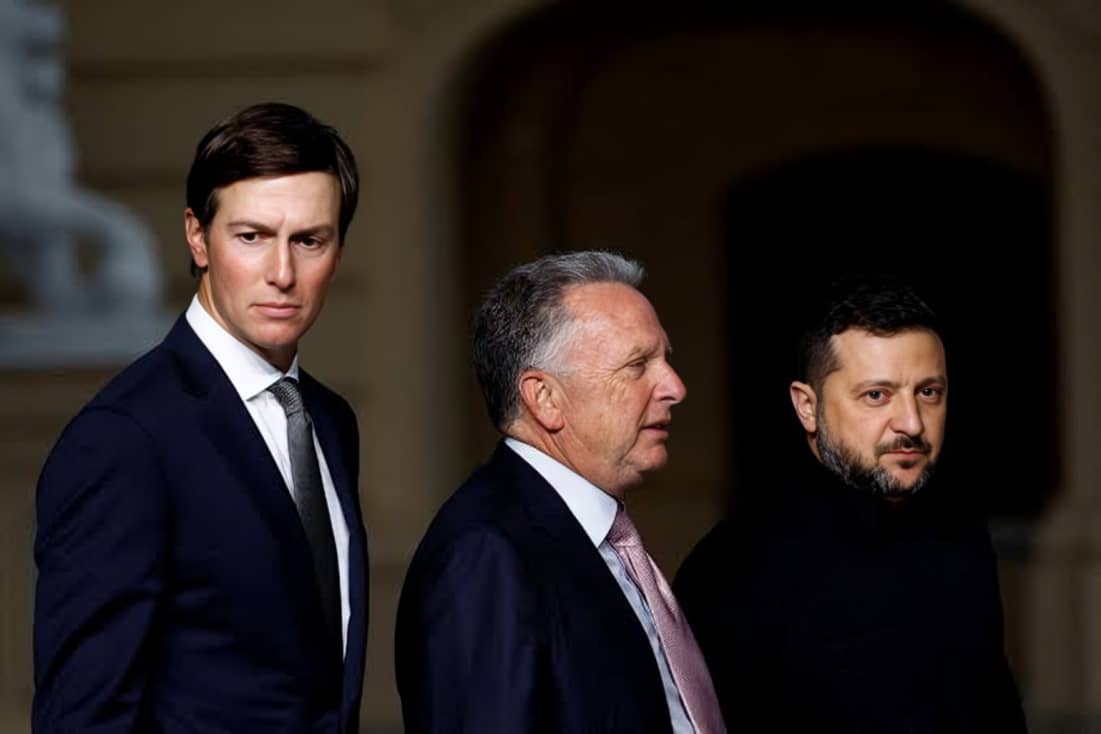
Steve Witkoff, the US special envoy, confirmed the November 10 and 11 dates and outlined the main areas expected to be discussed. Jared Kushner, who has been involved in the US diplomatic effort, is also expected to join Witkoff in representing Washington during the negotiations.
The United States is seeking progress towards a comprehensive agreement that could address the immediate conflict as well as the security arrangements required after the fighting ends.
Post-War Security and De-escalation on the Agenda
One of the major subjects expected to dominate the Abu Dhabi discussions is Ukraine's security after the war.
Any potential peace agreement will need to address concerns about future military threats, territorial security and arrangements intended to prevent another escalation. Ukraine has repeatedly emphasised the importance of reliable security guarantees as part of any settlement.
De-escalation is another key issue on the agenda. Negotiators are expected to examine possible steps to reduce military tensions and create conditions for further diplomatic engagement.
Humanitarian measures will also form part of the discussions. These could include efforts to address the consequences of the conflict for civilians and explore arrangements relating to humanitarian assistance and other urgent concerns.
The discussions are also expected to examine the next steps towards ending the war. However, the announcement of the meeting does not mean that a ceasefire or final peace agreement has already been reached.
European and NATO Representatives to Hold Discussions in Brussels
Alongside the planned trilateral meeting, US negotiators are expected to hold working-level discussions in Brussels with representatives from France, Germany, the United Kingdom, the European Union and NATO.
These discussions are expected to focus on security guarantees for Ukraine, Europe's future security framework and economic assistance for the country's reconstruction.
The Brussels meetings are important because a long-term settlement would have consequences beyond Russia and Ukraine. European countries and NATO members have been closely involved in discussions about regional security and the future arrangements needed to maintain stability.
Reconstruction support is another major consideration. The prolonged conflict has caused extensive damage to infrastructure and affected economic activity across Ukraine. International financial and technical assistance is likely to remain important if the country moves towards post-war recovery.
The US-led discussions in Brussels are intended to build a broader understanding of the security and economic issues that may arise during negotiations.
Russia and Ukraine Still Have Major Differences
Despite renewed diplomatic activity, Russia and Ukraine remain far apart on several important conditions for a possible peace agreement.
Territorial issues continue to be among the most difficult subjects in negotiations. The two countries have different positions on the future status of territories affected by the conflict, making it difficult to reach a mutually acceptable settlement.
Ukraine has also stressed that any agreement must provide meaningful security guarantees and protect its sovereignty. Russia, meanwhile, has maintained demands that Kyiv has rejected.
These differences mean that the upcoming meeting will face significant challenges. Although both sides are expected to participate in the renewed diplomatic process, their willingness to compromise on the central issues will determine whether the talks can produce concrete progress.
The United States is attempting to use diplomatic engagement to narrow these differences and identify possible areas of agreement.
Previous Peace Talks and the Latest Diplomatic Initiative
The latest round of discussions follows earlier US-mediated peace talks held in February 2026. Those negotiations took place before the United States and Israel became involved in a war with Iran, which disrupted the diplomatic process.
Since then, US representatives have continued efforts to revive negotiations. Contacts involving senior representatives from Washington, Moscow and Kyiv have helped create the possibility of another trilateral meeting.
Russian President Vladimir Putin agreed to a new round of talks following a meeting with Witkoff in St Petersburg in October. Recent diplomatic contacts have also involved Ukrainian representatives.
The decision to hold the next meeting in Abu Dhabi provides another opportunity for the three countries to discuss the conditions required to move towards peace.
What to Expect from the Abu Dhabi Meeting
The November 10 and 11 discussions are expected to concentrate on security arrangements, de-escalation, humanitarian concerns and possible steps towards ending the conflict.
The outcome will depend on the positions taken by the Russian and Ukrainian delegations and whether the United States can help identify common ground between them.
The Brussels discussions with European and NATO representatives may also contribute to the wider diplomatic process by addressing Ukraine's future security and reconstruction requirements.
However, the differences between Moscow and Kyiv remain substantial. A successful meeting would require progress on difficult questions, including territorial issues, security guarantees and the terms of a possible settlement.
The planned Abu Dhabi talks represent another significant diplomatic effort by the United States to bring the Russia-Ukraine conflict closer to a negotiated resolution. Whether the discussions lead to further negotiations, a ceasefire arrangement or a broader peace agreement remains to be seen.