Russia Faces Record 54,400 Military Casualties in October as Ukraine Reports Battlefield Gains
Ukraine has claimed that Russian forces suffered an estimated 54,400 military casualties during October 2026, describing the figure as the highest monthly total since Russia launched its full-scale invasion in February 2022. The announcement was made by Ukrainian President Volodymyr Zelenskyy on November 1, as Kyiv also reported territorial gains and increased drone operations against Russian military targets.
According to Ukraine, its forces regained 96.2 square kilometres of territory during October. Zelenskyy said this was 10.4 square kilometres more than the area Russian forces captured during the same period. The claims come as fighting continues along several sections of the front line, with both countries carrying out military operations and strikes.
However, the casualty and territorial figures are based on Ukrainian assessments and have not been independently verified in full. The reported 54,400 figure refers to military casualties, not confirmed deaths alone.
1. Ukraine Reports 54,400 Russian Military Casualties
Ukrainian President Volodymyr Zelenskyy said Russian forces suffered approximately 54,400 casualties during October. He described the figure as a record monthly total since the beginning of the full-scale war in February 2022.
The estimate includes personnel reported killed or seriously wounded. Ukraine's General Staff has also described its monthly combat-loss figures using categories that include killed, wounded and missing personnel. These categories are important because a casualty figure does not represent the number of confirmed deaths.
According to Ukrainian reporting, the October estimate exceeded the previous monthly high of 48,670 recorded in December 2024. Kyiv has argued that the rising losses are placing additional pressure on Russia's ability to maintain its frontline units.
Russia has not independently confirmed the latest figure. As both countries restrict the release of comprehensive military casualty information, independently establishing the exact number of losses remains difficult.
2. October 21 Reportedly Recorded the Highest Daily Losses
Zelenskyy also said October 21 was the deadliest single day for Russian forces during the month, with an estimated 2,250 personnel casualties.
The figure was presented as part of Ukraine's assessment of the fighting. It has not been independently verified, and it should be understood as a claim from the Ukrainian side rather than a confirmed count.
Daily casualty estimates can change depending on the military reporting method, the period covered and whether killed, wounded or missing personnel are included. For this reason, individual daily figures should be treated with caution.
3. Ukraine Claims It Regained 96.2 Square Kilometres
Along with the casualty announcement, Zelenskyy said Ukrainian forces regained 96.2 square kilometres of territory during October.
He stated that this was 10.4 square kilometres more than the area Russian forces captured during the same period. According to this calculation, Ukraine's reported territorial gains exceeded Russian advances for the month.
The claim is significant because control of territory remains a central objective for both sides. Even limited changes in frontline positions can affect military supply routes, defensive positions and access to strategically important locations.
However, battlefield maps and territorial assessments can differ according to the methods used by military analysts. The Institute for the Study of War's November 1 assessment also reported that Russian forces experienced a net territorial loss during October, based on its own mapping of observed battlefield changes. Its estimates and methodology are not identical to Ukraine's official figures.
4. Ukrainian Drone Operations Reportedly Reached a New Record
Ukraine's Unmanned Systems Forces also reported increased activity during October. According to its commander, Robert Brovdi, drone units struck 64,807 targets and recorded 16,796 Russian personnel casualties attributed to their operations.
The commander said Ukrainian drone units carried out more than 255,000 missions during the month, including direct strike and reconnaissance operations.
These figures relate specifically to the reported performance of Ukraine's Unmanned Systems Forces. They should not be added to the overall 54,400 casualty estimate as though they were separate totals, because the figures may overlap.
Drone warfare has become a major part of the conflict. Both countries use unmanned aircraft for surveillance, target identification and attacks on military positions and infrastructure. Ukraine has increasingly highlighted drone operations as an important element of its battlefield strategy.
5. Ukraine Continues Reporting Strikes on Russian Military and Industrial Targets
Ukraine has also reported drone strikes against targets inside Russia, including military and industrial facilities. Reports on November 1 described Ukrainian attacks on a major Russian missile plant and an oil refinery.
Such operations are intended to disrupt military production, logistics and infrastructure that may support Russia's war effort. Industrial facilities, fuel storage sites and transport networks can play an important role in sustaining military operations.
However, the full extent of damage from individual strikes may not be immediately clear. Claims about the destruction of equipment or disruption of production require independent confirmation. Russia has also continued attacks against Ukrainian infrastructure, including energy facilities.
6. Russia Faces Continued Pressure to Maintain Its Frontline Forces
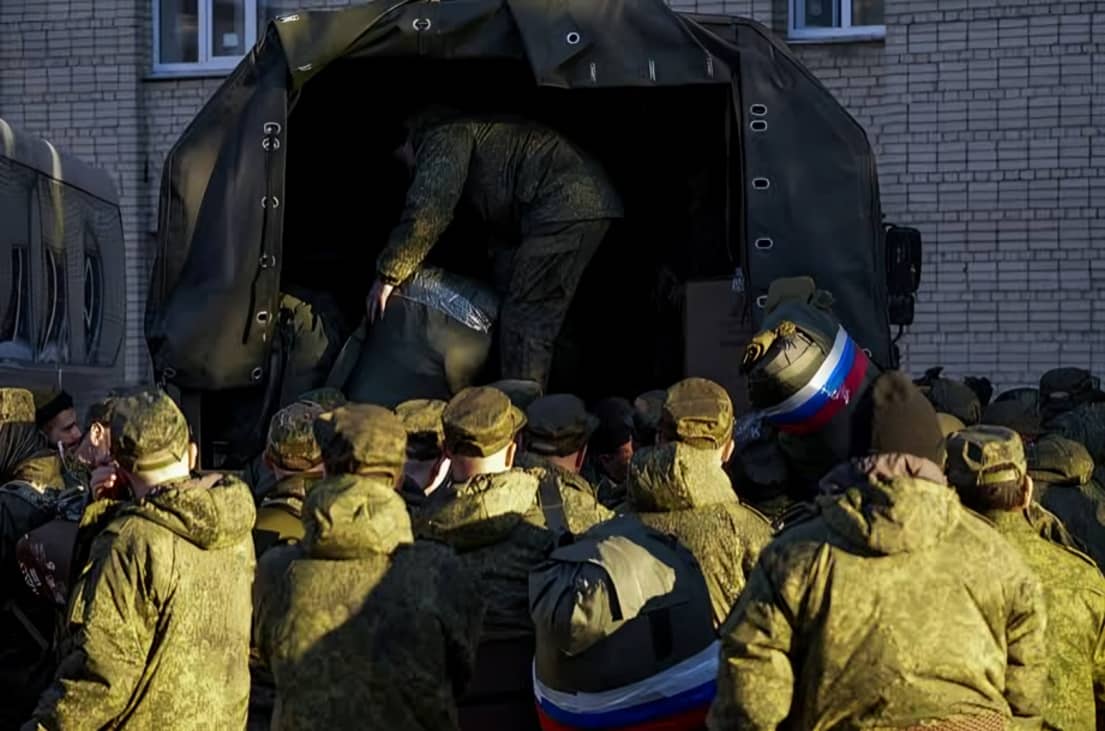
The reported casualty figures have renewed attention on Russia's ability to replace personnel lost during the war. Ukraine's military has argued that Russian losses are placing pressure on recruitment and the reinforcement of frontline units.
Maintaining military strength requires a continuing supply of trained personnel, equipment and logistical support. High casualty levels can increase the demands on recruitment systems and affect the ability of units to sustain offensive operations.
However, a high casualty estimate alone does not establish that Russia has lost its ability to continue fighting. Military strength also depends on reserves, recruitment, equipment production, battlefield tactics and the ability to rotate forces.
7. The War Continues With No Confirmed End to the Fighting
The latest figures come as the Russia Ukraine war continues without a comprehensive peace agreement. Both sides continue to report military operations, attacks and changes along the front line.
Ukraine has called for an end to the fighting through a ceasefire and diplomatic negotiations. Zelenskyy said Russia could stop the growing losses by choosing diplomacy.
The situation remains uncertain, as military operations and political negotiations have yet to produce a lasting settlement. The continued use of drones and long-range strikes also means that military and infrastructure targets remain at risk.
8. Independent Verification Remains a Major Challenge
The reported 54,400 casualties and 96.2 square kilometres of territorial gains are important claims, but they must be viewed in the context of an ongoing war.
Neither side provides a complete, independently verified account of all military losses. Access to active combat zones is restricted, and official estimates may use different definitions for casualties and territorial control.
The October figures therefore provide an indication of Ukraine's assessment of the battlefield rather than a definitive independent count. Further reporting and independent analysis will be needed to establish the full scale of Russian losses and the extent of territorial changes.
For now, Ukraine is presenting October as a month of record Russian casualties and measurable territorial gains. Whether these developments lead to a lasting change in the balance of the war will depend on future military operations, recruitment, equipment supplies and diplomatic efforts.