US-Iran Negotiations Continue Through Mediators as Oil Markets Remain Cautious
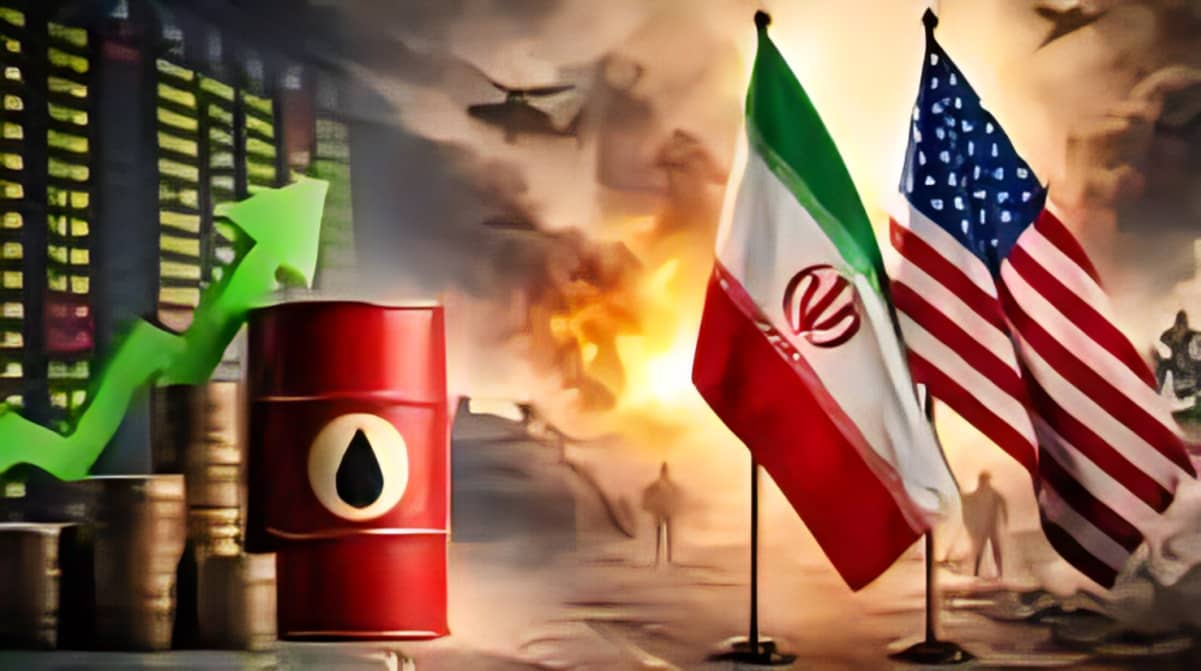
Diplomatic efforts to reduce tensions between the United States and Iran are continuing through regional mediators, but uncertainty over the conflict is keeping global energy markets cautious. Discussions involving Iranian and Qatari officials have raised hopes of a possible diplomatic breakthrough. However, the absence of a final agreement and the possibility of renewed military action continue to create uncertainty for oil traders and energy markets.
The latest discussions are taking place in Doha, where Iranian representatives and Qatari mediators have continued consultations aimed at finding a way to end the conflict. Communication with Washington is also continuing through diplomatic channels. Despite the progress reported by officials, major differences between the two countries remain unresolved.
Qatar Continues Its Mediation Efforts
Qatar has emerged as an important intermediary in the diplomatic efforts between Washington and Tehran. Iranian Foreign Minister Abbas Araghchi said discussions with Qatari representatives were progressing and that consultations were continuing over possible conditions for restarting negotiations with the United States.
According to reports, the latest discussions have focused on a possible arrangement involving the Strait of Hormuz and the broader process of ending the conflict. Iran has indicated that a proposal could allow the strategic waterway to reopen within two days of a potential agreement.
However, Tehran has also outlined conditions for further negotiations. These reportedly include sanctions relief, the restoration of certain oil export arrangements, the release of frozen Iranian assets and changes to the US military presence in the region.
The United States has not publicly confirmed that it has accepted these conditions. US Secretary of State Marco Rubio has said diplomatic communication has continued and that Washington remains open to a diplomatic solution.
The discussions therefore represent an ongoing diplomatic effort rather than a completed agreement. Both sides must still address major political, security and economic differences before a settlement can be reached.
Trump Says Negotiations Are Progressing
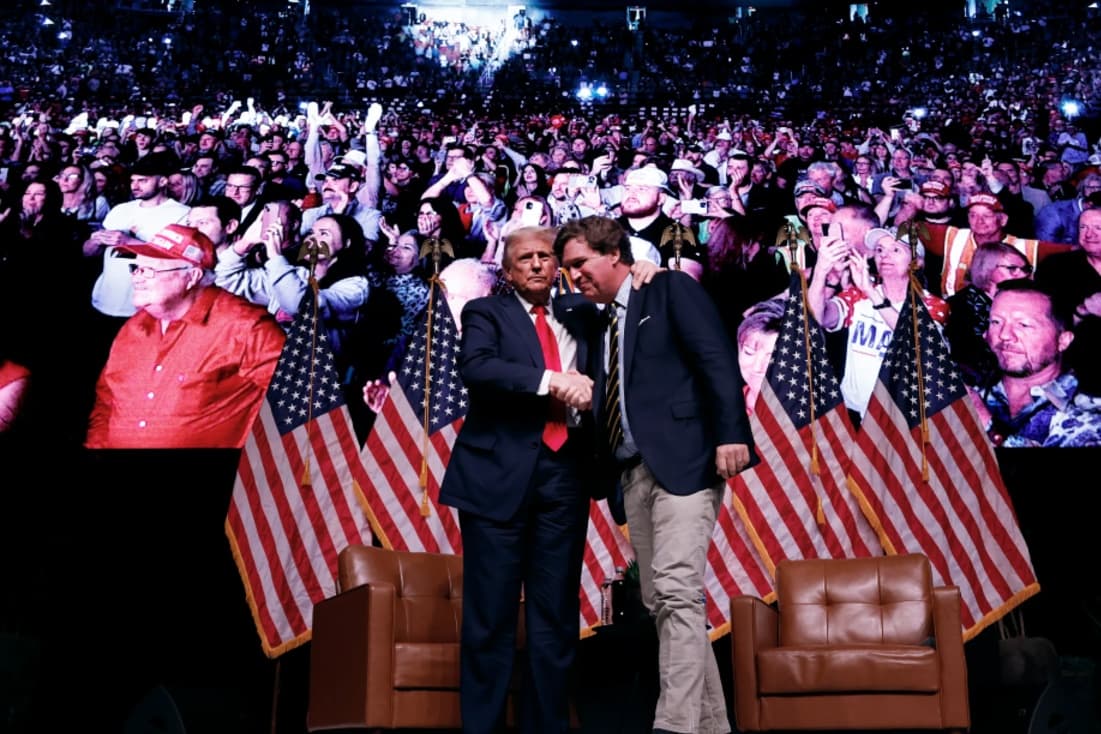
US President Donald Trump has made statements suggesting that the latest negotiations are progressing. At the same time, he has maintained that military options remain available if diplomatic efforts fail.
Trump has indicated that the United States is interested in a possible diplomatic outcome but has also referred to military targets in Iran. His statements have contributed to uncertainty over Washington's next steps.
US officials have also indicated that no final decision on renewed military action has been announced. Secretary of State Marco Rubio has said that the administration remains open to diplomacy.
Iranian officials, meanwhile, have said that their country is prepared for both negotiations and a possible military confrontation. This combination of diplomatic engagement and military warnings has made it difficult for investors to determine whether the conflict is moving towards a settlement or another period of escalation.
Strait of Hormuz Remains a Major Concern
The Strait of Hormuz is one of the most important strategic waterways for international energy trade. A significant volume of global oil shipments passes through the narrow route, making any disruption a major concern for oil-producing countries, shipping companies and energy markets.
The conflict has increased security concerns around the waterway. Reports of attacks and threats involving commercial vessels have raised questions about the safety and reliability of shipping operations.
Iran's proposal to reopen the Strait of Hormuz as part of a possible diplomatic arrangement has therefore become an important element of the negotiations.
A stable and uninterrupted shipping route would help reduce concerns about global oil supplies. However, any continued restrictions or security incidents could increase transportation costs and create fresh pressure on crude oil prices.
For countries that depend heavily on imported energy, including India, developments around the Strait of Hormuz remain particularly important. Higher crude oil prices can increase import expenses and place pressure on fuel costs, inflation and the wider economy.
Oil Prices React to Diplomatic Developments
Global oil prices declined on November 2 as traders responded to signs of progress in the diplomatic discussions between Iran and Qatar.
According to market reports, Brent crude futures and US West Texas Intermediate crude both recorded declines during trading. The fall followed a period of stronger prices in October, when concerns about a possible escalation in the conflict pushed energy markets higher.
Reuters reported that Brent crude declined to around 110 dollars per barrel, while US West Texas Intermediate fell to approximately 100.62 dollars per barrel during the latest trading session.
The price movement indicates that expectations of diplomatic progress can influence oil market sentiment. When traders believe that tensions may ease and supply disruptions could be avoided, concerns about a shortage of crude oil may decline.
However, the recent fall does not necessarily indicate that the market has returned to normal conditions. Investors remain alert to developments involving the United States, Iran, regional security and the movement of oil tankers through the Strait of Hormuz.
Analysts Warn of Multiple Possible Scenarios
Market analysts have warned that oil prices could remain volatile because the future direction of the conflict is uncertain. Several possible developments could influence crude oil prices over the coming weeks.
The first possibility is a diplomatic agreement between Washington and Tehran. If negotiations produce a settlement and shipping conditions improve, concerns over supply disruptions could ease. This could reduce the risk premium currently influencing oil prices.
The second possibility is a prolonged diplomatic stalemate. If discussions continue without a final agreement, uncertainty may remain in the market. Oil prices could experience fluctuations as traders react to political statements, security developments and changing expectations about future supply.
The third possibility is renewed military escalation. If diplomatic efforts fail and attacks resume, shipping risks and concerns about energy infrastructure could increase. Such developments could place further upward pressure on crude oil prices.
The US midterm elections scheduled for November 3 are also being closely monitored by market participants. Investors are assessing whether political developments after the elections could influence Washington's approach towards Iran.
These scenarios remain possibilities rather than confirmed outcomes. Their impact on oil prices will depend on the progress of negotiations, security conditions and the decisions taken by the countries involved.
Global Energy Markets Remain Watchful
The continuing uncertainty has made it difficult for traders to establish a clear outlook for crude oil. Although diplomatic progress has encouraged some optimism, the possibility of further confrontation continues to influence market expectations.
Oil-producing countries, shipping companies and major energy importers are monitoring the situation closely. Any agreement that restores confidence in shipping through the Strait of Hormuz could help stabilise energy markets. Conversely, renewed conflict could create additional uncertainty for global supply chains.
For now, diplomatic contacts are continuing, but neither side has announced a final settlement. The oil market is therefore likely to remain sensitive to developments in the negotiations and security situation across the region.
The coming days could prove important in determining whether the diplomatic process moves towards a broader agreement or faces further obstacles. Until there is greater clarity, global oil markets are expected to remain cautious and responsive to developments in the US-Iran conflict.