The recent glacial collapse and flash floods near the Nepal China border have drawn renewed international attention to the vulnerability of the Hindu Kush Himalayas. UN Climate Change Executive Secretary Simon Stiell said the disaster was a stark reminder of the risks facing mountain environments as the effects of climate change become more severe.
Stiell said scientists and local communities had been warning for years that the Hindu Kush Himalayas are particularly exposed to climate related hazards. The region contains extensive glaciers, high altitude ecosystems and river systems that support large populations across South Asia. Changes in glaciers, snow and water systems can therefore have consequences well beyond the mountains themselves.
The latest disaster followed a glacial collapse near the Nepal Tibet border. An ice and rock avalanche generated a powerful flow of water, mud and debris that moved downstream and caused extensive destruction in parts of Nepal and Tibet. Roads, bridges, settlements and other infrastructure were damaged, while rescue operations were complicated by difficult terrain and continuing weather risks.
According to recent reports, the disaster has caused a very large number of deaths and missing persons. Nepalese authorities have continued rescue and recovery efforts while officials assess the full scale of the destruction. The loss of critical infrastructure has also made communication, transportation and emergency response more difficult in some affected areas.
Stiell linked the growing risk of such disasters to global warming driven largely by the continued burning of coal, oil and gas. He said a warmer climate can make extreme events more likely, more frequent and more severe, particularly in locations where communities are already exposed to natural hazards.
The UN climate chief stressed that the consequences of climate change are not limited to rising temperatures. In mountain regions, warming can affect glaciers, permafrost, river flows and the stability of steep slopes. These changes can increase the danger of sudden floods, landslides and other hazards.
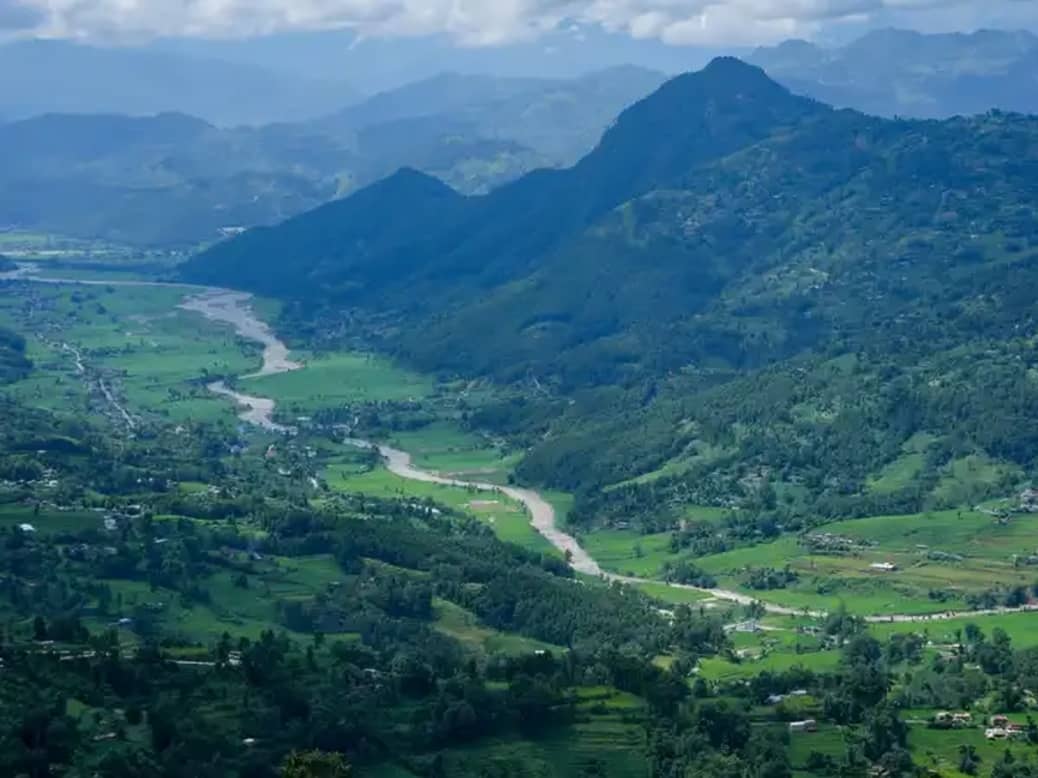
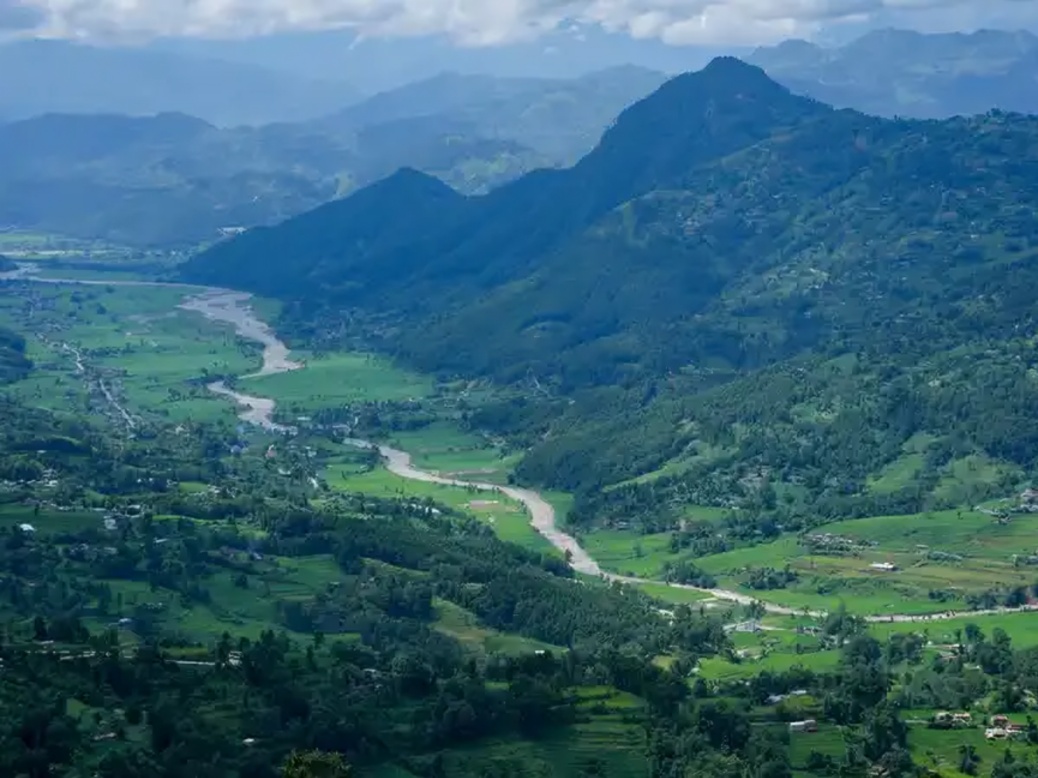
The Hindu Kush Himalayas are especially important because they act as a major source of water for millions of people. Rivers originating in the mountains flow into large downstream plains and support agriculture, drinking water supplies, energy production and ecosystems. A major disruption in the mountain environment can therefore create effects across borders and far beyond the location of the original disaster.
The recent flood has also highlighted the difficulties associated with monitoring hazards in remote Himalayan areas. Early warning systems depend on reliable weather observations, glacier monitoring, river measurements and rapid communication. When monitoring stations are damaged or data are unavailable, authorities can face significant challenges in predicting how a developing hazard may affect communities downstream.
The disaster has also raised questions about cooperation between countries sharing the Himalayan region. Nepal has called for stronger and more timely exchanges of information with China on hazards originating in the high mountains. Officials have said better access to data could improve early warning systems and help communities prepare for sudden floods and other emergencies.
Stiell said the response to climate change must combine efforts to reduce greenhouse gas emissions with measures that help communities adapt to unavoidable risks. He specifically called for a faster transition from fossil fuels to renewable energy and increased investment in climate resilience.
Climate resilience can include stronger infrastructure, better warning systems, improved disaster preparedness, safer land use planning and greater protection for vulnerable communities. In mountain regions, scientists also emphasise the importance of monitoring glaciers, unstable slopes and changing river systems.
The recent disaster demonstrates why such measures are increasingly important. Even when a flood originates in a remote and sparsely populated mountain area, the resulting water and debris can travel long distances and affect communities, roads, hydropower facilities and other essential infrastructure downstream.
The event has also renewed attention to the connection between climate change and mountain safety. Scientific research has repeatedly identified the Himalayas as a region where warming can alter glaciers and hydrological systems. The United Nations and other international organisations have been calling for stronger climate action and greater investment in adaptation and resilience across the region.
For Nepal and neighbouring countries, the latest disaster could strengthen efforts to improve cross border information sharing, emergency planning and hazard monitoring. Such cooperation is particularly important because rivers and natural hazards do not follow political boundaries.
For communities living in the Himalayan region, improved preparedness could be critical in reducing future losses. Early warnings, evacuation plans and stronger infrastructure can provide additional time and protection when rapidly developing floods or landslides occur.
The disaster has therefore become more than a national emergency. It has emerged as a wider warning about the environmental pressures facing one of the world's most important mountain systems.
Stiell's remarks place the Nepal China border disaster within the broader global climate debate. His message was that while climate related risks are becoming increasingly visible, governments still have opportunities to limit future damage through rapid emissions reductions, renewable energy development and stronger investment in climate resilience.
The latest tragedy is likely to reinforce calls for greater scientific monitoring, stronger disaster preparedness and closer regional cooperation across the Hindu Kush Himalayas. As rescue and recovery operations continue, the incident is also serving as a reminder that the consequences of a changing climate are already being experienced by vulnerable mountain communities.